A Plebe Christmas

A Plebe Christmas

I distinctly remember returning to West Point after Christmas my Plebe year. It wasn’t fun. As a matter of fact, the last couple of days at home became bittersweet as I started thinking about returning to West Point as a Beanhead* for another five months.

It wasn’t just returning to the Plebe System (Fourth Class System) that affected me. We had first semester finals two weeks after returning. Also, have you ever visited West Point in winter? In the Fall, West Point is one of the most beautiful places in the country. In the winter? Not so much, unless you have a fondness for the color grey. January to March at West Point is called “Gloom Period”**, with good reason.

If I’m honest with myself, it wasn’t Gloom Period, or finals that brought me down. It was going back as a Plebe for another five months. Before you enter the Academy, you hear all about how tough Plebe year is both mentally and physically. It’s one thing to hear about it. It’s another to experience it for six months, have a break, and then know you are going back for more of the same.
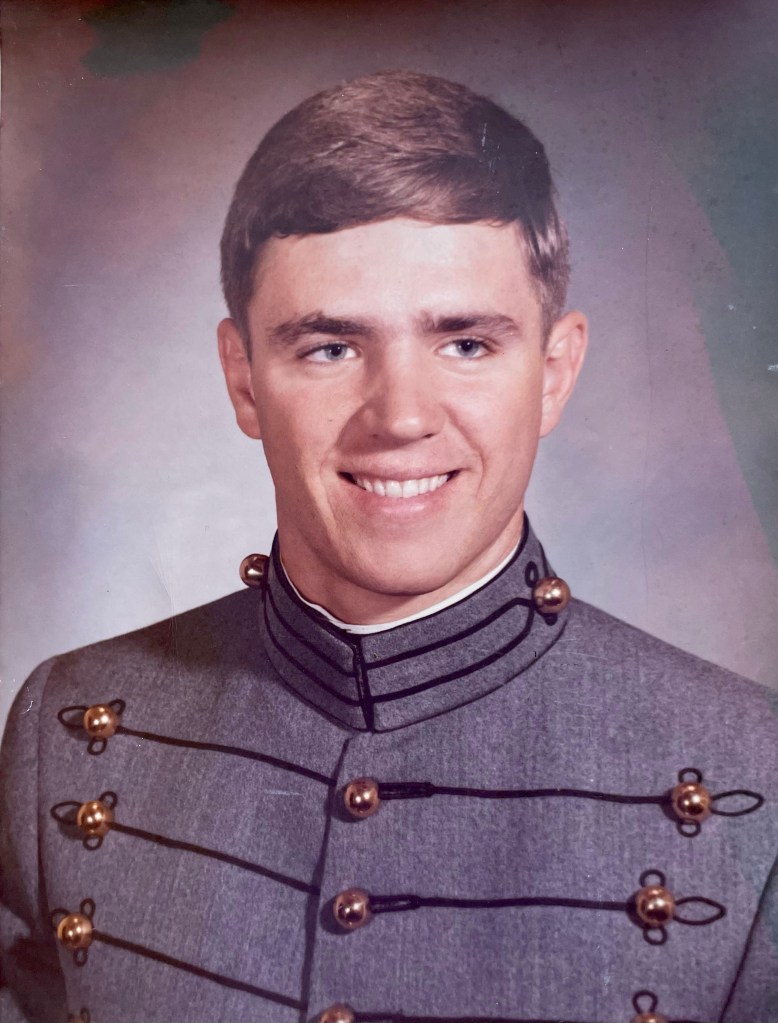
Official Plebe Photo

Coming home to Ottawa that December, Christmas break was great. Being a real person again was even better. Everyone wanted to know how West Point was, and of course I told them the good stuff, while minimizing the actuality of Plebe life. The time at home divided out between family events, dates with Cathy and partying with my friends.

During the day, I spent time at home, or went to see Grandma, various aunts and uncles, and church or family friends. I remember racing around town fitting in as many visits as I could. It was good to catch up with so many people, but also a bit exhausting.

Cath and I went on dates most evenings and tried to make up for lost time. The last we’d seen each other was Labor Day Weekend, when she visited West Point with my folks. In the interim, we’d written so many letters back and forth, I lost count of the actual number. While home, there was even a formal holiday dance at Ottawa High (Cathy was still a senior in high school). I wore my dress uniform, and felt so much older than the high school “kids”, who in reality were only one or two years younger.
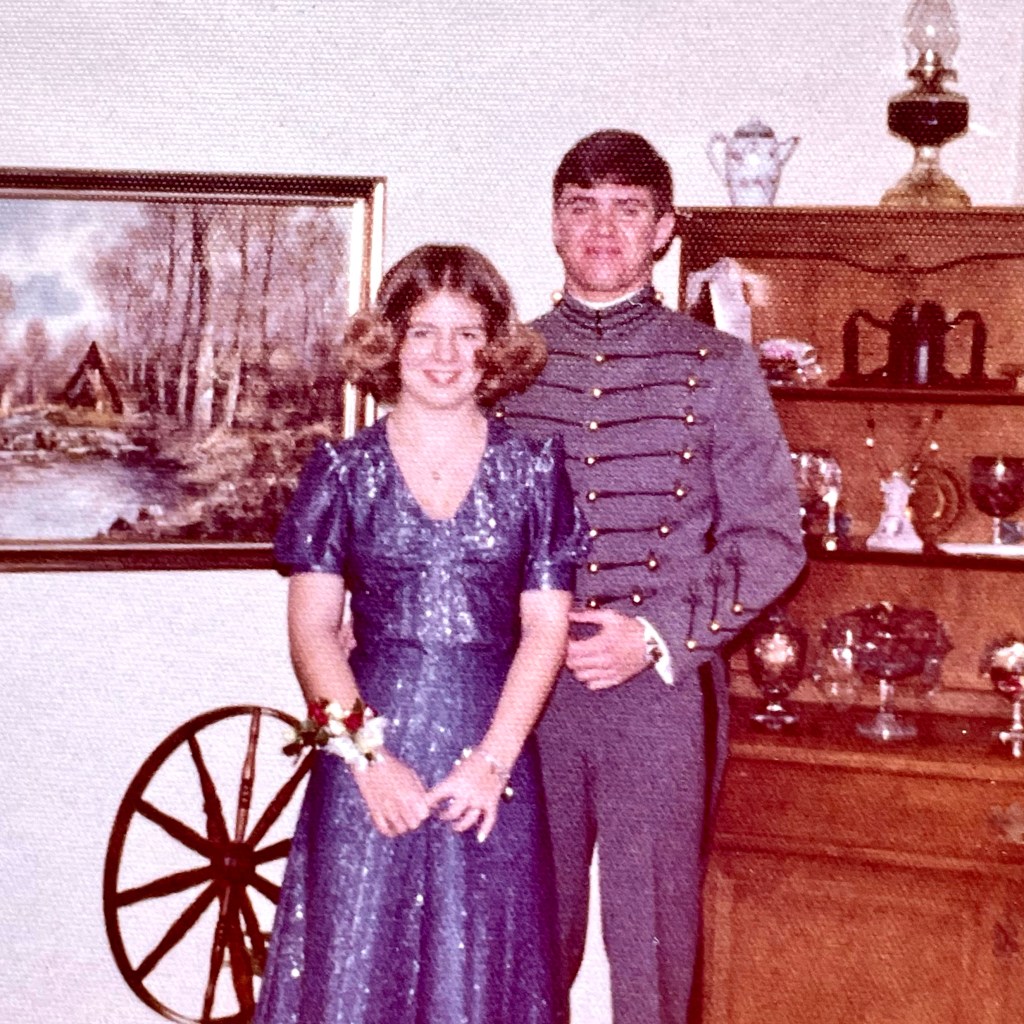
At Home Before Going to the OHS Winter Formal

Since she was still in school, Cathy had a curfew most nights. After our dates ended, I often linked up with my buddies Howard, Tim, Mark and others. The drinking age in Illinois was 19 at the time for beer and wine, but nobody really checked. We made the rounds at Berta’s, The Flamingo and Russell’s Tap before finally making it to bed. The next morning I’d wake up and start the cycle all over again. As I recall, sleeping in wasn’t an option.

I’d taken a couple of text books home with me to study over break, but of course I never cracked them. The days and nights raced by.

Finally it was New Year’s Eve and just a couple days before I would return to West Point. I remember going to a party with Cathy at our friend Jack’s home that night. Many of our friends were there. It was a great time, and as the clock struck midnight, there were kisses, handshakes and toasts all around. It was wonderful and things seemed almost perfect.

Maybe an hour later, it hit me. This was all going to end and I would return to the reality of Plebe life. The exhilaration from midnight rapidly disappeared. I crashed and a forlorn feeling took over. I found a quiet spot in an empty room and just sat there thinking. The dread I felt was visceral. Cathy found me a few minutes later and could tell something was wrong. She asked if I was OK and I struggled with words, then just gave up trying to explain. The thing is, she felt it too. We stood there hugging for I don’t know how long.

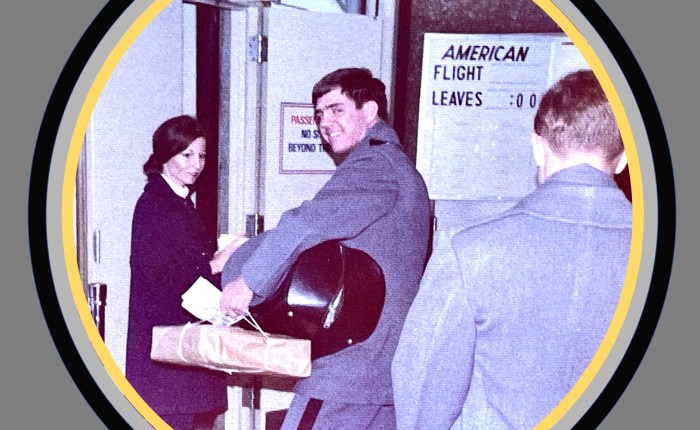
I more-or-less bounced back the next day and enjoyed my last day or two of freedom. Finally, it was time. As a Plebe, I think I was required to travel in uniform, and when Mom, Dad and Cathy drove me to O’Hare, that’s what I wore. Back then everyone could walk all the way to the gate, and that’s where we said our final goodbyes and “I love you’s”. Mom gave me a care package and with a last wave and a smile, I boarded the plane for New York.
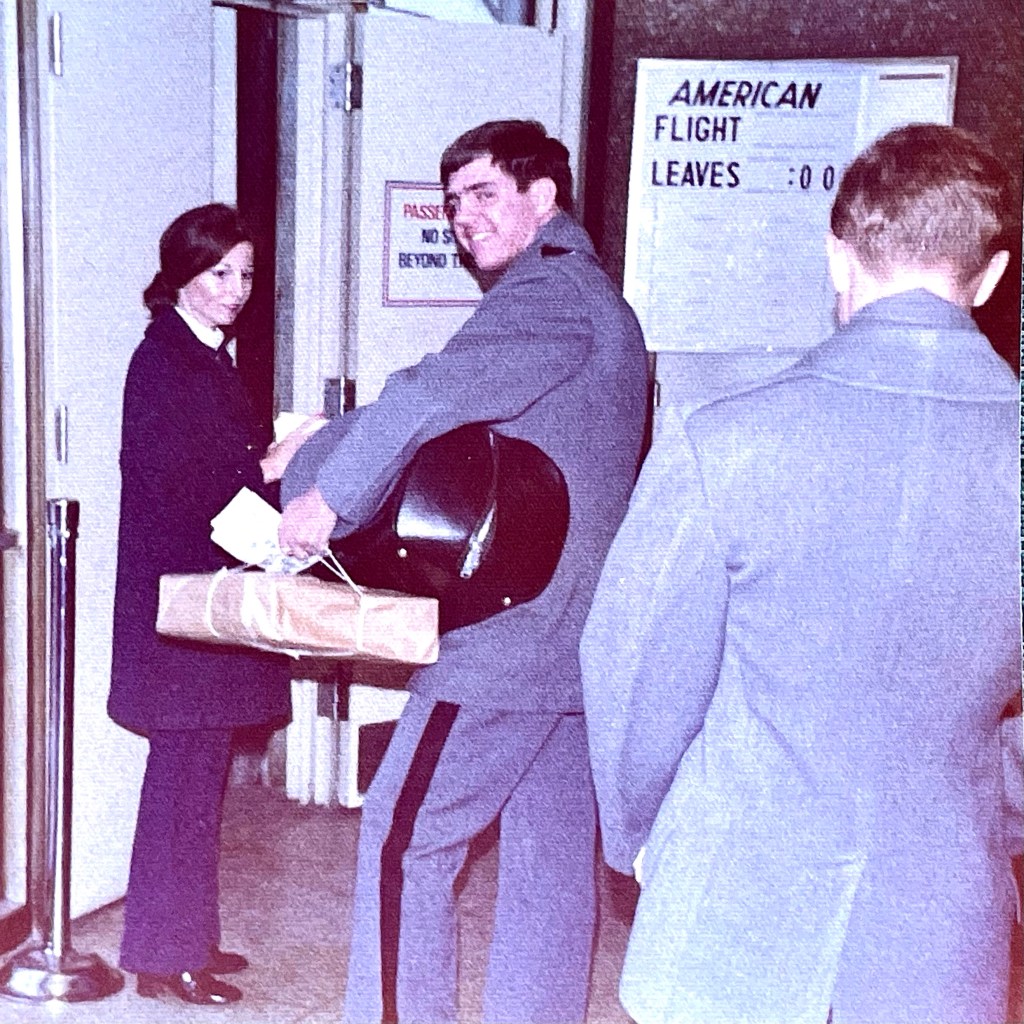
A Smile for Mom, Dad and Cathy as I Boarded the Plane to New York.

At the airport in New York (LaGuardia I think), cadets were everywhere. Most of us made our way to buses for the final fifty miles to our Rock Bound Highland Home on the Hudson. The bus I was on was pretty quiet, with Plebes and upperclassmen alike lost in their own thoughts. By now, I’d steeled my mind for the return to school and Plebe life. I was as ready as I was going to be.

And of course it wasn’t as bad as things looked on New Year’s Eve. I made the Dean’s list that first semester, and by late March or early April, Gloom Period was lifting. As for dealing with upperclassmen and the 4th Class System, that too passed. As the Semester wore on, things became easier and and finally, in June, Recognition Day happened. We were no longer Plebes, but full fledged members of the Corps of Cadets.

To this day, I remember that New Year’s Eve and the roller coaster of emotions I felt. Speaking with Cathy, she too distinctly remembers that night. I recently told her I thought I’d write a blog about New Year’s Eve Plebe year. She immediately knew what I was talking about. I laughed a bit and said something like “I didn’t know you remembered”. She quickly answered “How could I forget?”

Addendum:

  • *Beanhead – one of the many less flattering terms upperclassman used for Plebes at the time.
  • ** Gloom Period – If you want to read more about Gloom Period, you can do so here: https://mnhallblog.wordpress.com/2018/01/21/gloom-period/
  • I’ve often thought of that New Year’s Eve over the years and the feelings I experienced that night. I’d contemplated writing a blog about it before, but couldn’t quite wrap my head around it. Then, during Christmas season this year, one of my classmates posted an email on his own feelings about the return to West Point after Christmas. Several others chimed in. Some were worried about academics and getting separated due to grades. Others, like me, thought about the return to the 4th Class System for several more months. Still others talked of the general malaise around our return, with Gloom Period settling in. A few told (now) funny stories about missing flights, late arriving girl friends, and even running into the Dallas Cowboy Cheerleaders during a stopover on the return to the Academy. It’s interesting what binds people together. My classmates and I laugh and now tell stories of those times that seemed so serious back then. Time and distance have brought perspective and a camaraderie that has lasted a lifetime. I feel lucky to be a member of the Proud and Great Class of ‘78. Thanks for the memories, and the continued friendship my brothers.

Cathy and MS

Cathy and MS

My wife, Cathy, has had Multiple Sclerosis (MS) since 1976 when she was 20 years old. It’s been almost 47 years since that first diagnosis. The MS is always there, lurking in the background, but Cath refuses to give in to it. It’s a special strength she has, and I love her for it.

Cathy Around the Time of her Diagnosis, and Just a Few Weeks Ago

MS is called the snowflake disease; no two people have exactly the same symptoms, or frequency of occurrence. MS symptoms can include: trouble walking, fatigue, vision problems, numbness, muscle spasms, weakness, mobility issues, and bladder or bowel issues, among other problems. Not all symptoms are visible.

Cathy’s symptoms have varied over the years, but fortunately for her (and us), she has been relatively stable for the last few decades, with only some minor issues. Compared to many with the disease, we are extremely lucky.

We both belong to a Facebook MS support group called We’re not drunk, we have MS. The name is a bit of an inside joke. Many people who have MS but can still walk, sometimes have an unsteady looking gait or trip easily, not unlike someone who’s had a few too many drinks.

Recently someone put a query out to the group: “If you were to wake up tomorrow MS free, what is the first thing you would do?” There were many responses. Reading through them, I thought they expressed how the disease effects so many people much better than anything I’d ever read or watched on TV about MS. It’s the straightforwardness and simplicity of the answers that is their strength. People were just asking for the basic things in life that so many of us take for granted.

Here are some of their answers to the question “If you were to wake up tomorrow MS free, what is the first thing you would do?”

  • Walk normal
  • Stand
  • Run
  • Walk
  • Dance
  • Stand up, embrace my husband, and not let go for a long time
  • Go Skiing
  • Ride my horse
  • Go for a hike in the woods
  • Dance with my husband
  • Wear heels again
  • Jump out of bed
  • Go for a run – maybe like Forest Gump
  • Ride a bike
  • Hike in the mountains
  • Shoot hoops again
  • Walk on the beach
  • Go horseback riding and then dance
  • Get a full night’s sleep
  • Play tennis again
  • Walk through my neighborhood
  • Chase my grandchildren
  • Go skateboarding again
  • Run with my kids
  • Stay at a hotel
  • Go up and down stairs
  • Walk, run, dance
  • Drive my car
  • Learn to belly dance
  • Dance in rhythm again
  • Get on the floor and play with my grandchildren
  • Eat out and enjoy every meal
  • Start quilting again
  • Go skating, then dancing
  • Go to my daughter’s home and go up the stairs to see my grandchildren’s room
  • Work in the flower bed
  • Ride a motorcycle again
  • Carry my grandchildren around
  • Rake the leaves in my yard
  • Go back to work
  • Just to consider this is overwhelming
  • Buy a lottery ticket because it would be a miracle
  • Jump in the ocean
  • Walk on the beach with my husband
  • Get on my knees and thank God.

They have newer medicines these days to address the symptoms of MS, and sometimes lessen the progression of the disease, but there is still no cure. In the meantime, these MS Warriors soldier on.

As for Cath and I, we count ourselves pretty lucky in the big scheme of things. She has some issues, and occasional flare ups, but continues to live her life. Every day is something to be enjoyed, and lived to the fullest.

Cathy and I in ‘77, a Year After her Diagnosis, and Last Summer

FJB and Signs

FJB and Signs

WARNING! If you don’t like seeing the F-Bomb in print, you shouldn’t read this week’s blog. I regret using it here, but it’s germane to the vandalism that has taken place with political signs and a building here in sleepy little Fauquier County. There is, of course, stupidity everywhere. It’s always fun when it hits close to home.

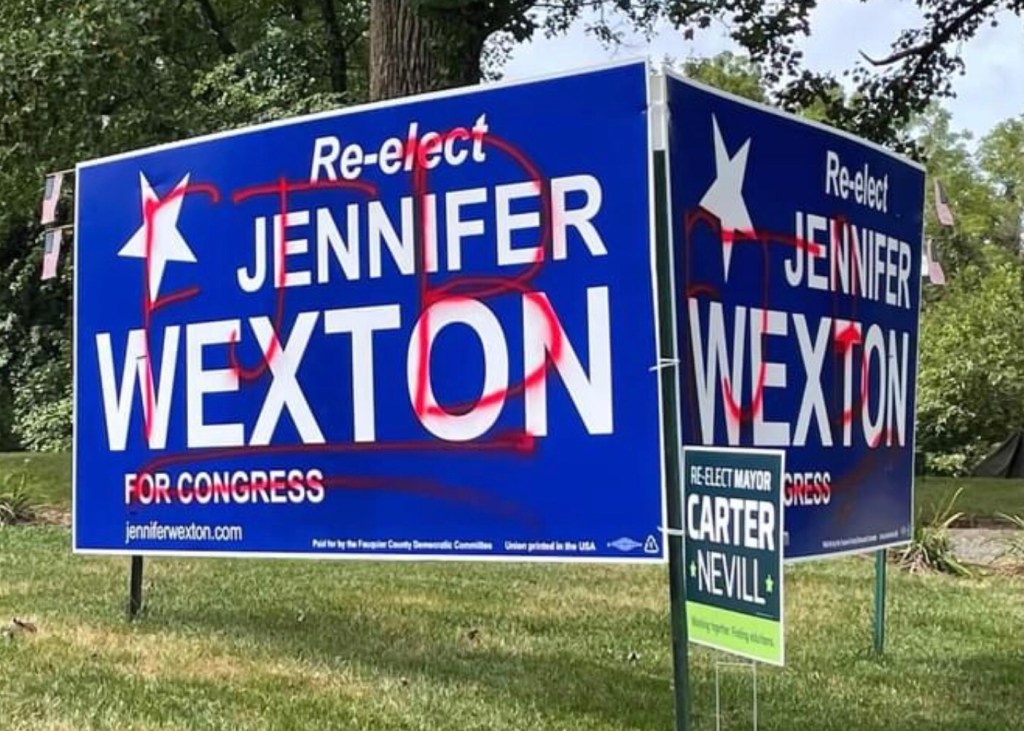
The sign crew from the Fauquier County Democratic Committee (FCDC) has been installing large signs, with the permission of landowners, along the highways and byways of our lovely county to support the re-election of Jennifer Wexton to Congress. Due to redistricting, Fauquier County moved from the very RED 5th Congressional District, to the slightly BLUE 10th Congressional District. Congresswoman Wexton has served in Congress for the last four years. Before that, she was a State Senator and a prosecutor. She is a great public servant who actually listens, and we are doing everything we can to re-elect her.

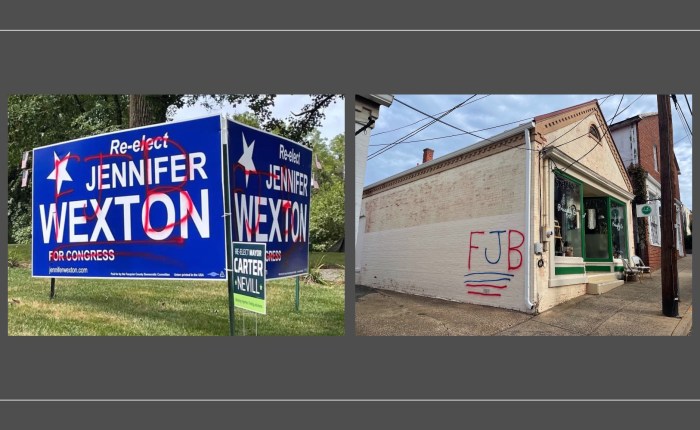
We’ve installed over 120 large 4×8 and 4×4 foot signs around the county over the past month. We placed them on road frontage and properties of landowners who specifically granted permission for these signs. If you are driving through the county, they are hard to miss. Recently, someone decided to deface two of the signs and wrote FJB in spray paint on the signs. — sigh — FJB? What’s does FJB stand for, you ask? “Fuck Joe Biden” would be the correct response.

The homeowners called the police, who dutifully took their report. Several horrified Republicans offered to pay to have the sign replaced. The owners gracefully declined. Our committee planned to replace the sign (we have extras for just such occasions), but for now, the homeowners wants them left up, so EVERYONE can see what respect some idiots have for political signs.

FJB in Script….

Afterwards, I was looking around online, thinking maybe they were using FJB to represent something else. No, “Fuck Joe Biden” was the first thing that came up. And then there was a wonderful song titled “FJB” by Parradox. Here are a few of the lyrics, or as a certain former President might say, very fine lyrics, very special lyrics, probably the best lyrics ever:

Fuck Joe Biden and that bitch Kamala, too

And fuck Nancy Pelosi, don’t think I forgot ‘bout you

You attention craving bitch, that’s all the fuck you want

You think you high and mighty, but trust me, you are not”

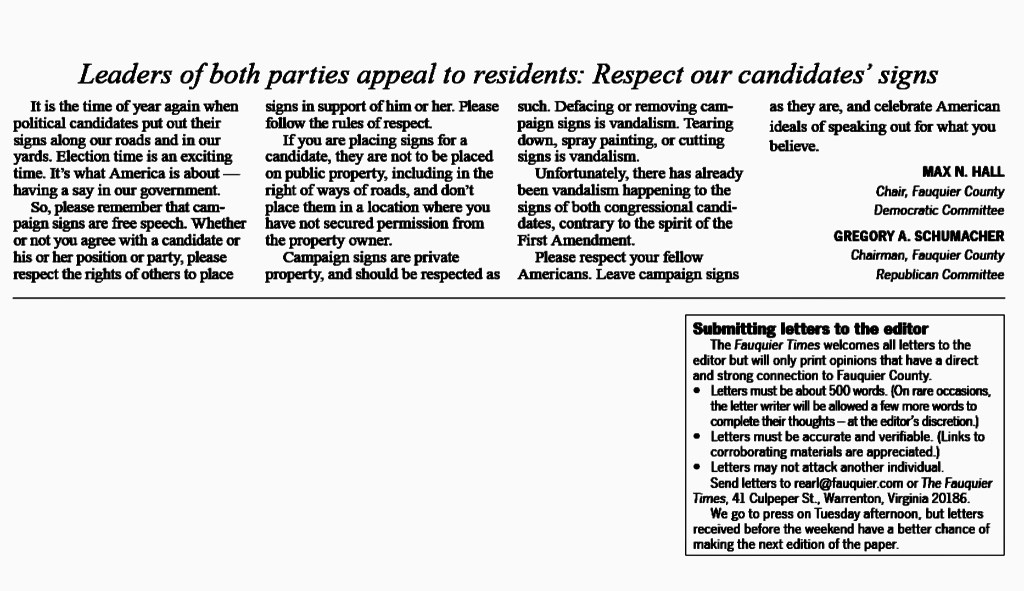
I contacted my counterpart, Greg, with the Fauquier County Republican Committee to see if he would sign a joint statement with me for publication in our hardcopy and online local papers, requesting people respect election signs. He readily agreed. A letter was drafted and we sent it to the papers, where it was published.

A Joint Letter to the Editor

In the next week, we had two roadside signs stolen.

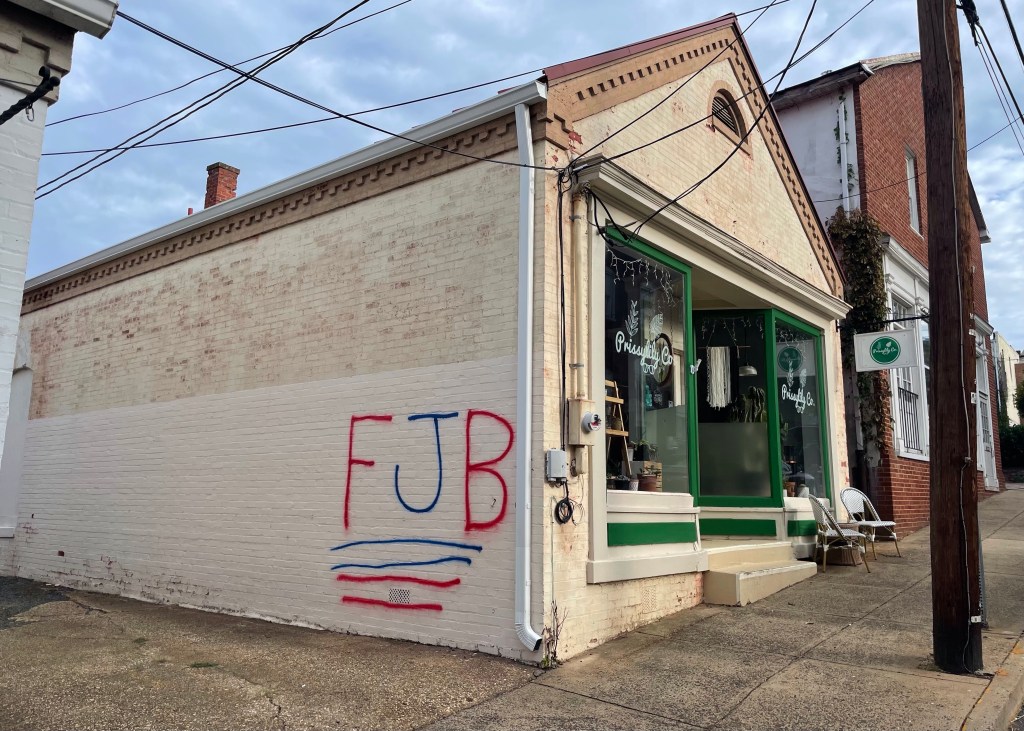
Then, last Friday night, our FJB friends struck again. Maybe the miscreants who defaced our signs can’t read. Maybe they thought they were clever. Instead of spraying FJB on more signs, they decided to spray it on the side of a shop in downtown Warrenton. Yep. They graduated from defacing disposable signs, to defacing permanent buildings.

Graduating to Bigger Vandalism

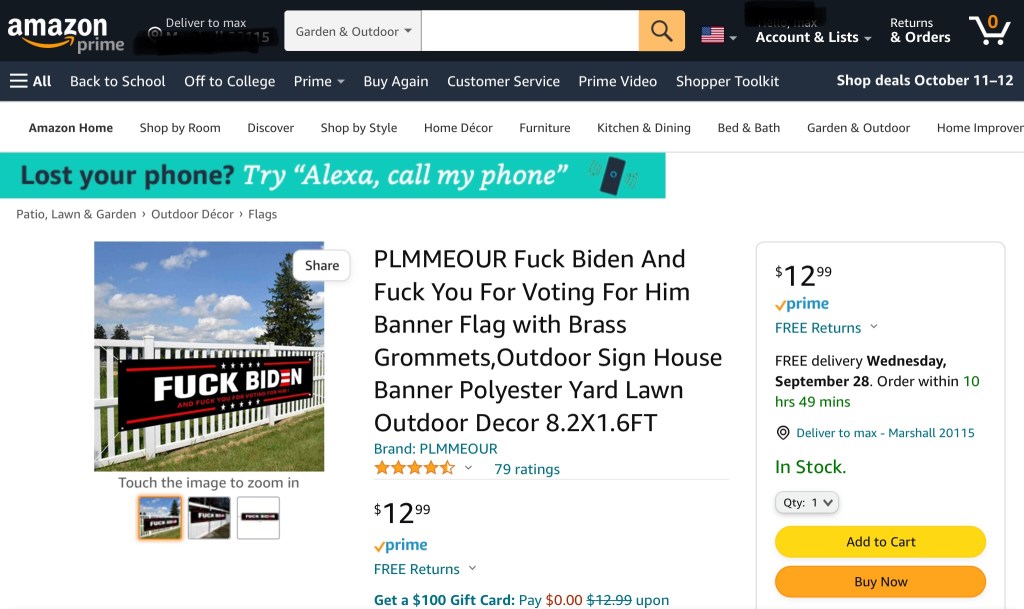
I realize both sides have their nitwits, but c’mon, some people are just stupid. Just south of here about 30 miles, you can find farms and homes with 8×4 foot “Fuck Joe Biden” signs right there on the road side. You can also go to Amazon and buy your very own “Fuck Biden” banner to display outside your home. Certainly the 1st Amendment protects people’s right to say what they want, and that’s fine. I guess I should be happy they are displaying those signs on their own property. There is nothing wrong with proudly letting people know your command of the English language. I always wonder how folk driving by explain those signs to their kids in the back seat of the car.

You Too can Order this Fine Sign on Amazon

Still, I can’t help but wonder if the level of discourse has fallen enough, that it’s not toooooo much of a leap to go from seeing a “Fuck Joe Biden” sign on the side of the road, to cowardly scribbling FJB on a sign, or the side of a building in the dark of night. I’m sure their mothers, and many of their buddies are proud of them.

Keep scribbling. Show the world how ignorant you are. We have plenty of signs, and we are going to win this election.

—- Feel free to share this blog —-

Addendum:

Thanks to my friends Irv, David and Colleen for their help with this blog.

Classified Claptrap

Classified Claptrap

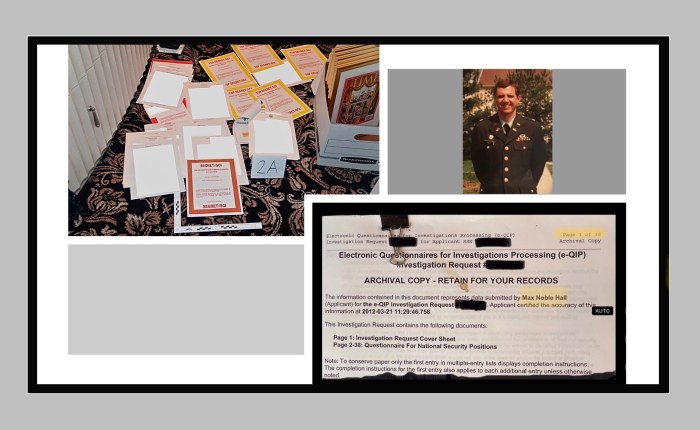
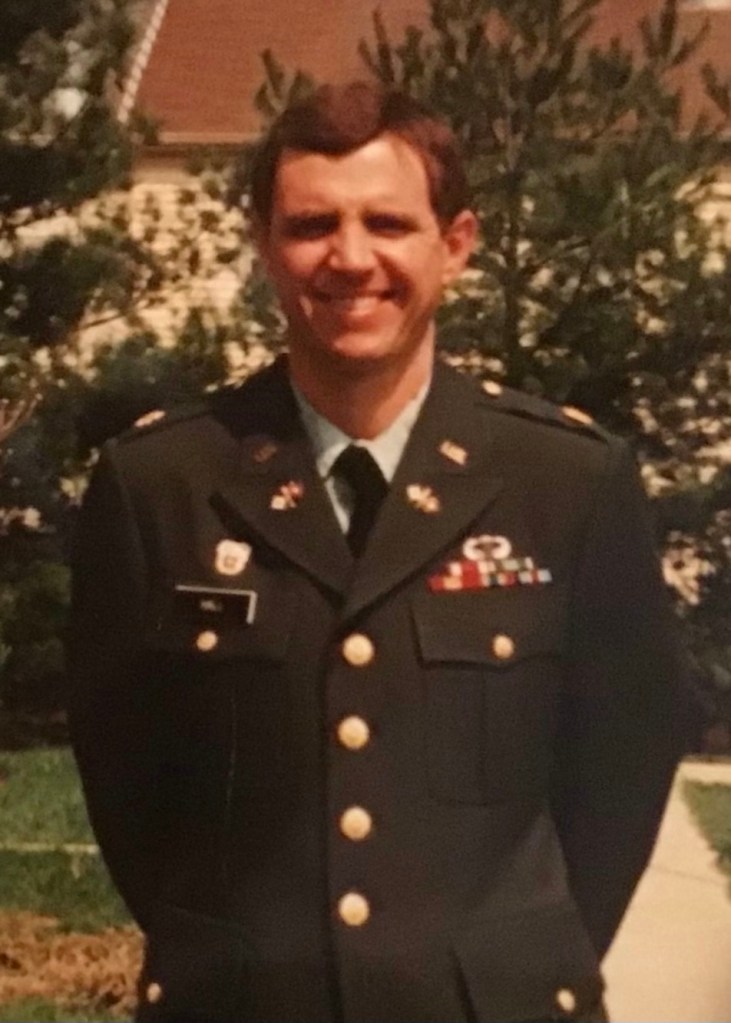
I have held various security clearances for decades in the past. I spent years working in a Special Compartmented Information Facility (SCIF), both in the military, and as a civilian. I’m not here to judge, but I’d probably be in jail if I’d done what our former President did.

One of the things we learned about classified information early on is that in order to access classified documents, or programs, there are actually two requirements. First, you need the security clearance level required for that information. Second, you must have a “need to know” the information. That is, holding a TOP SECRET* (TS) clearance isn’t a sufficient reason to see a TS document. You also must have a specific need to see the particular information.

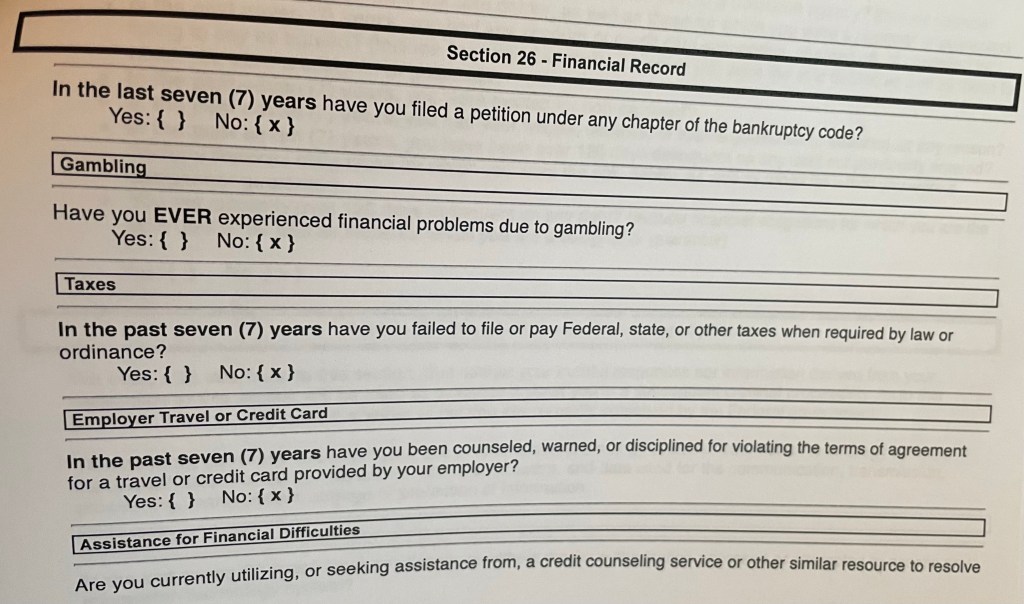
I obtained my first clearance, SECRET, while still at West Point in the seventies. They don’t just give you a SECRET clearance, or any clearance for that matter. You fill out a form answering several pages of questions, they do a background check, interview family and friends and determine whether you are “trustworthy”. The process takes a while. For most folk, unless you have done hard drugs, committed a crime, declared bankruptcy, or declared hostility to the United States, it isn’t too hard to receive a SECRET clearance.

Bankruptcy is One of the Reasons you Can be denied a Clearance.

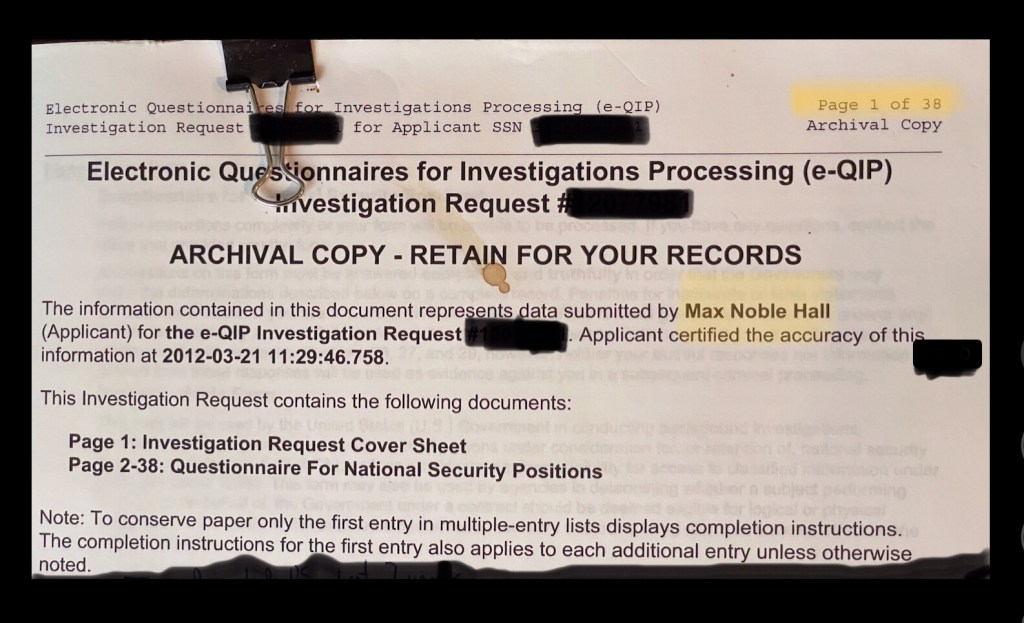
In 1989, we returned from an assignment in Germany to the States and I transferred to a job in the DC area. For that work, I underwent a Special Background Investigation (SBI) in order to receive a TS/SCI/SI/TK (TOP SECRET, Special Compartmented Information, Special Intelligence, Talent Keyhole, clearance). These are a wee bit harder to obtain. Actually, a lot harder. It took months and months for the investigations to take place and for the government to grant my clearance (today, it’s not unusual for the process to take nearly a year). I provided information on where I’d lived over the course of my life, background about my jobs and employers, info on family members and friends, and several references. I documented all overseas travel. I documented any communications I had with East Bloc or communist personnel. In addition to verifying the information I provided, and talking with my references, the government also interviewed neighbors, former bosses, coworkers and family members. They physically went to my prior homes, talked with neighbors and asked about my habits. It’s an intensive and invasive process. When I finally received my clearance, I was also eventually “read in” to a couple of highly classified Special Access Programs (SAPs) further restricting who could access the information.

My TS Renewal in 2012 – All 38 Pages of It.

Everything we did in support of those SAPs was done in a SCIF. To access the SCIF, in addition to the combination lock, there was a retina reader at the outside door, and it was only after your eye was scanned that the door would unlock. Our particular SCIF also required two person access. That is, a person was not allowed in the facility by him or herself. There was a requirement for at least two people to occupy the SCIF, whenever it was opened. This was to prevent someone taking unauthorized information or files out of the SCIF.

The SCIF had intrusion detection systems, and needed to meet a host of other requirements effecting communication systems, the size of duct work and special wiring and HVAC requirements. Cell phones, or any other personal electronic devices weren’t allowed in the SCIF. Inside the facility, all of our classified information was stored in safes which met certain requirements. When you opened the safe, you initialed a form that you opened the safe, and what day and time it was. At the end of the day, when you returned the classified documents to the safe, after locking the safe, you again initialed the form, provided the time you locked it, and the date and time were then verified by a second person.

This is me, During the Time I was Working in my First SCIF

If you ever transported classified information outside the SCIF to another location, you needed a special permit. The classified info was double wrapped. You followed a schedule in delivering the information, including the expected arrival time. If there were schedule variances, you notified the authorities.

When I left those SAPs several years later, I was sworn to secrecy, and signed papers indicating I wouldn’t reveal anything about those programs for seventy years.

Honestly, it was all a pain in the ass. BUT, we all understood why it was required, and so we complied without complaining. We understood the security of the nation could be put at risk if there were security compromises, whether intentional or not.

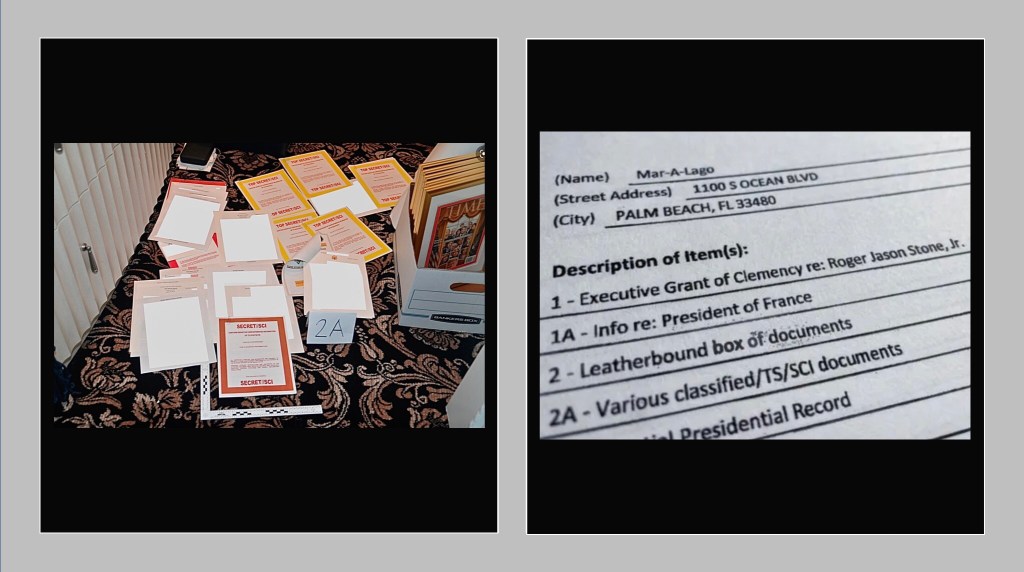
I don’t know what is in the material the former President took to Florida. I also don’t know what he intended to do with it. I doubt we ever will. Based on the covers and documents shown in the now world famous photo, there was TS/SCI material, SECRET/SCI material and other classified information. There were empty SCI folders, with the info, perhaps, stored elsewhere. None of this was stored in a SCIF. As the President was now the former President, there was no longer a “need to know”. The information should not have been at Mar-a-Lago.

Just. Totally. Unbelievable.

Was this a politically motivated search? I don’t know, but given the material found, it’s a moot point. The search was justified. What he did was wrong. Are there always two standards for everything – one for the former President, and one for everyone else? Why do citizens continue to listen to his claptrap**?

Here are some things I do know:

  • The government held constant dialogs with the former President, his staff, and his lawyers about returning the missing information for over a year, as required by the the Presidential Records Act (enacted after the criminal Nixon tried to destroy documents in 1974).
  • The former President’s lawyers apparently lied when they swore in June there was no more classified information stored in Florida.
  • In 2005, former National Security Advisor, Sandy Berger, was convicted of removing, and then destroying five classified documents from the National Archives. He received a $50,000 fine, two years of probation and 100 hours of community service.
  • In 2015, General Petraeus was convicted for mishandling classified information with his lover. He received a $100,000 fine and two years of probation.
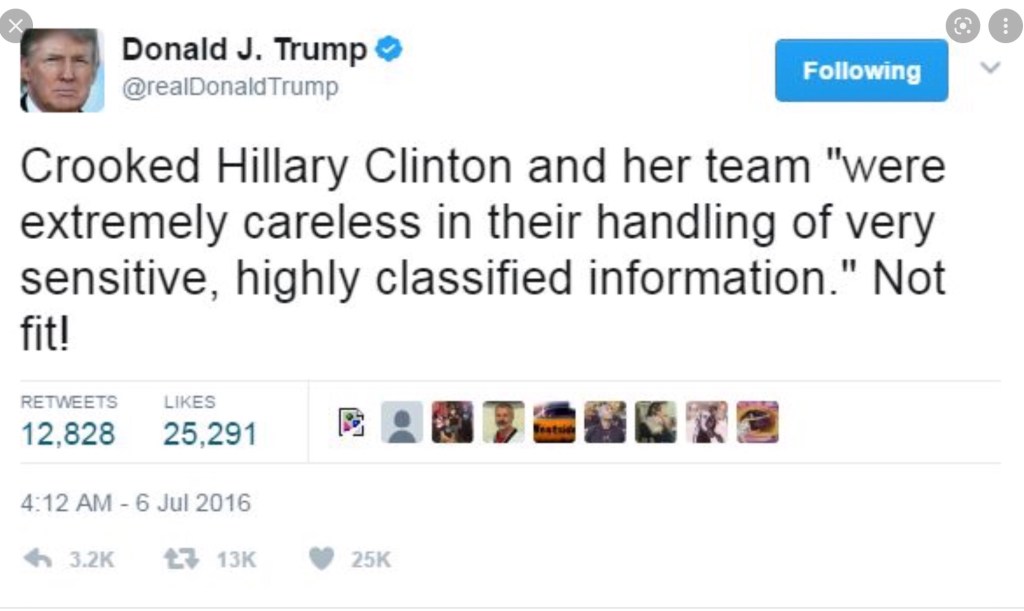
  • When Hilary Clinton was investigated for her server, people were calling for her prosecution and spoke of how she was unfit for office. Many of those same people are now saying what the former President has done is no big deal, and he can do what he wants.
With the former President, there are Always Two Sets of Standards. Always.

The final thing I know is that If I had done anything remotely close to this, I would have been dishonorably discharged if in the military, fired if a civilian, received a huge fine, and very possibly gone to jail. My public life would have been over.

Of course, unlike some people, I couldn’t shoot someone in the middle of 5th Avenue and get away with it either.

Addendum:

  • One of the reasons I published this blog is I became aware that many people have no idea what is required to get a clearance, or what is required for the correct handling of classified information. I thought it might be useful for folk to actually understand why this is a big deal, if you work with classified documents. Feel free to share the blog with others.
  • *TOP SECRET material is defines as something “that would cause exceptionally great damage to US national security and US persons should it reach the eyes of a foreign adversary.”
  • **Claptrap noun – absurd or nonsensical talk or ideas.
  • The Presidential Records Act was enacted in 1978 after President Nixon sought to destroy records relating to his presidential tenure upon his resignation in 1974. The law superseded the policy in effect during Nixon’s tenure that a president’s records were considered private property, making clear that presidential records are owned by the public.
  • More info on SCIFs can be found here: https://www.dni.gov/files/NCSC/documents/Regulations/ICS-705-1.pdf
  • Thanks to my good friend Morgan Johnson for reviewing this blog, providing some editing support and suggesting some additions.

Granddaughter of Juda

Granddaughter of Juda

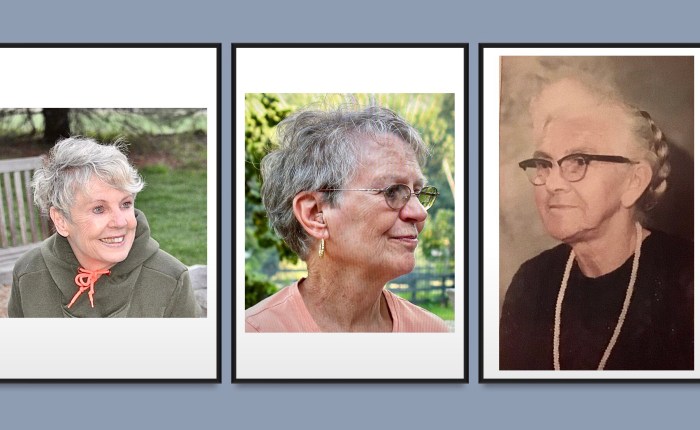
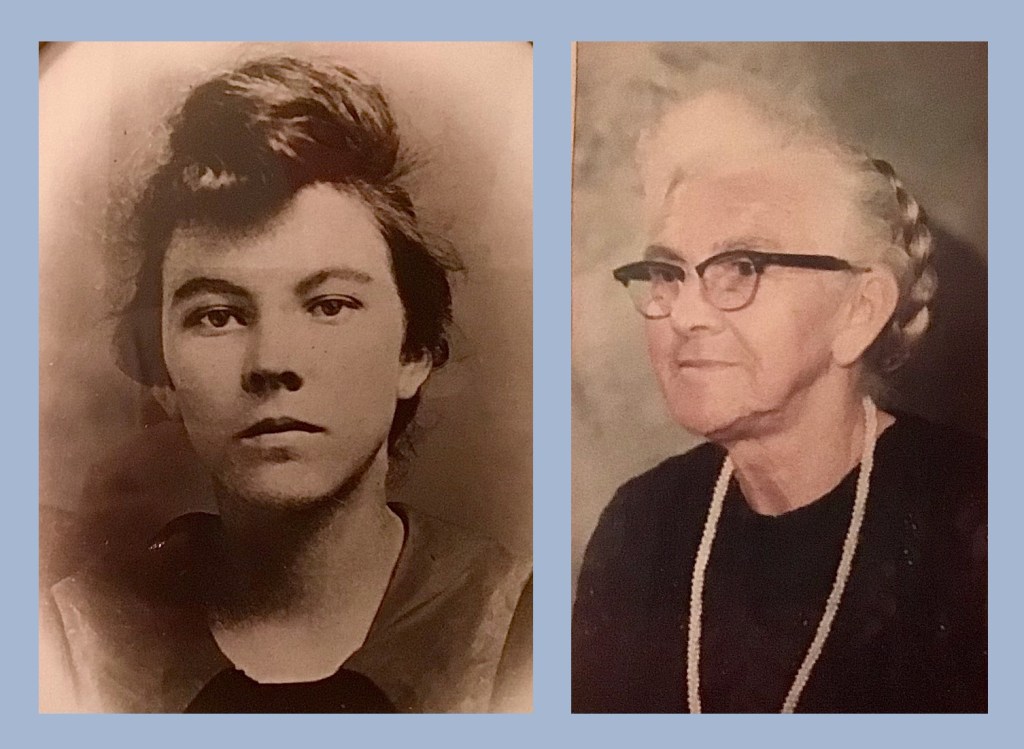
There were no gardens here at Rohan Farm 23 years ago. Now, they dominate our landscape. Cathy made this happen, through a combination of inherited knowledge, hard work and love. She is the daughter of Faye and a Granddaughter of Juda Catherine Strickland.

The hillside garden, the shade garden, the front garden, the vegetable garden, the cutting garden, Cathy designed them and created them. I provided a bit of the grunt labor for the hard scape, but the secret to all of it is Cathy. When she gardens, she is in her Zen Zone. For me, weeding is the ultimate drudgery. Not her. She spends hours each week weeding, improving and cutting in the garden. She once shared with me, “Patience is the key ingredient in gardening, and pays off when a plant reaches maturity and blooms. There’s a special excitement seeing something you have planted, nurtured, cared for and thought about finally bloom. The journey is as important as the end result.”

A Few Glimpses of the Gardens, and Cathy Peaking Around Some of her Daffodils

Cathy’s gardening talent was born long before I was on the scene. She inherited a love of gardening from her mother Faye. Mom was a wonderful gardener and always had flower gardens at the house. Cathy noticed. When her family lived in Chattanooga, Cathy persuaded her mom to let her have a flower garden of her own at age 12. Faye was fine with the idea, but Cathy had to plant it and maintain it.

Whenever mom moved to a new home, the first thing she did was start planning out the flower gardens. Her last home in Alabama was gorgeous with a combination of plants, pathways and surrounding woodland, and I could lose myself in thought while wandering through them.

Faye gained her garden skills from her mother Juda Strickland, who lived a hard life in rural Alabama. She and her husband Ernest had 11 children, 8 of them boys. Electricity and indoor plumbing didn’t come until much later in her life. Cathy remembers that when she visited as a child, they were still using an outhouse. I think two things sustained Grandma Strickland in life – her faith in God, and her gardening. For her, I think they were related.

Juda Catherine Strickland

Cathy spent years following Faye and Juda around grandma’s farm in Alabama, talking about plants and flowers the whole time. They were often joined by Jeff, Cathy’s cousin. While he did the usual “boy stuff”, he also liked to garden. They all discussed the merits of the plants, as they walked and talked. Some plant wouldn’t be doing well and they would decide if it should be replaced or maybe it needed a different spot, or just some love. Most were not exotic plants, but southern favorites like four o’clocks.

In Cathy’s telling, it was great fun walking around the farm. There was always something to see, whether plants, newly born piglets, or watching how live chickens were turned into dinner (I think there’s a whole other blog right here ;-)…). Sometimes the meanderings ended at the vegetable garden, where fresh tomatos were a tasty treat of summer – warm, fragrant and oh so juicy. Summer afternoons were spent on the porch with newspapers stretched over everyone’s laps. There were beans to string, peas to shell and corn to shuck…

Later, after Cathy and I were married, we made several trips to visit Grandma, particularly when stationed in Georgia. Grandma would lead Cathy around the house and garden showing her new, or different plants. She wasn’t quite as mobile then, having broken her hip during a fall in her sixties. She was using a wooden crutch to get around, and would point out the plants or blooms with the crutch. Cathy loved and cherished those times together.

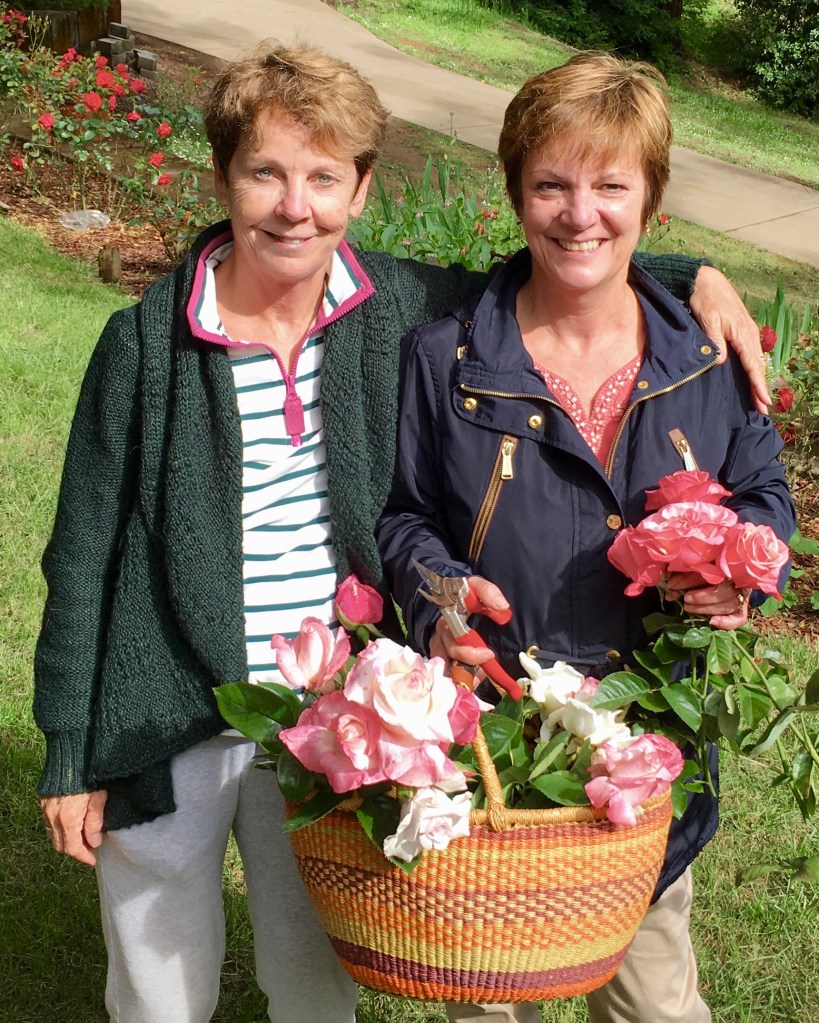
Cathy’s younger sister Bonnie also has the gardening gene. At her home near Mendocino, CA, she has roses, flower gardens, a big vegetable garden and fruit trees. It’s all beautiful and fits the Northern California setting perfectly. She has a greenhouse that many professionals would envy. Cathy and Bonnie trade cuttings and seeds back and forth, and more than a few plants have made coast to coast journeys.

Cathy and Bonnie Cutting Roses in California

There are several other Granddaughters of Juda who inherited her green thumb. As an example, in addition to Jeff, Cathy and Bonnie’s cousin Debbie has beautiful gardens in her back yard, and will frequently post pictures that reveal she too has the touch. Other cousins such as Margaret and Dylilah have the gift, and it’s already seen in the next generation – Sasha, the daughter of their cousin Rusty is also an avid gardener. It wasn’t a universal gift though. Cindy, Cathy and Bonnie’s middle sister, was never much of a gardener. Nor was their cousin Loretta, who claims she can’t grow anything. Still, I think Juda’s spirit remains with all of them. As Loretta related, “I definitely did not inherit her green thumb. I manage to kill every plant I get EXCEPT for one. I inherited a Mother-in-Law’s Tongue from Mawmaw in the ‘90s. Believe it or not, despite my best efforts, that plant is still alive.” 😉

Loretta’s Mother-in-Law’s Tongue – Nearly Thirty Years Old, and Still Going Strong

Grandma eventually passed away in 1997, at the age of 98. She was in a nursing home for her last few years. Although she could no longer garden, her faith in God remained with her until the end. I like to think there are gardens scattered across America that are living testaments to her life and her legacy.

Addendum:

  • Special thanks to Cathy, not only for her gardens, but also for sharing memories of her youth and visiting Grandma in Alabama. She filled in missing critical pieces that I “sensed”, but didn’t specifically know.
  • Thanks to Bonnie, Loretta and Debi for sharing their own gardening backgrounds. Special thanks to Loretta for sharing the photo of her Mother-in-law’s Tongue (photo credit to Cynthia Smith).
  • I first met Grandma Strickland in 1973, when Cathy’s family went there for a vacation over spring break. Cathy and I were dating and in high school, and we somehow persuaded our parents that it would be OK for me to go with them. I think at first Grandma was a bit suspicious of this token northerner who was dating her granddaughter. The suspicion was allayed at least a bit on the second night, when she cooked fried okra. I’d never had okra before. Three helpings later, I thought I’d died and gone to heaven, and grandma started warming up to me.

Here are two other blogs I’ve written in the past about Cathy and her gardening:

  • Through Cathy, I’ve gained an appreciation for the colors that make up the palette of our life. For years, I didn’t get it, or understand it. Or perhaps even worse, I didn’t think about it. Sometimes though, you can teach an old engineer new […] continue at: https://mnhallblog.wordpress.com/2022/03/23/the-palette-of-our-life/
  • Ask Cath how she grows orchids and she’ll say “Oh, I just water them. After that, it’s tough love.” Tough love evidently works. In winter, I enjoy looking at the results. The color, the texture, the beauty of orchids and their individual parts – Sepals, Petals, Lip, and Column, make each unique… Continue at: https://mnhallblog.wordpress.com/2020/03/04/cathy-and-her-orchids/

Russian Command and Control

Russian Command and Control

Command and Control (C2), along with Command Centers, are phrases you might hear with regard to the Russians in Ukraine these days. In my military career, I worked all levels of C2 from Infantry Brigade to Presidential, and I can see that the Russians are shockingly missing, or ignoring some C2 fundamentals.

There are other reasons for Russia’s initial bad performance in the first 100+ days of this war as well – too broad of an initial attack, poor logistics and poor morale in a conscript army all come to mind. What I keep returning to is their lack of C2 fundamentals, which impacts everything else.

Command and Control is defined by the Defense Department in military speak as “the exercise of authority and direction by a properly designated commander over assigned and attached forces in the accomplishment of the mission.” What does it really mean? In lay-terms – having the necessary leadership, team and systems to successfully manage a battle or war.

I know a thing or two about C2. From 1979 to 1983 as a junior officer, I supported Command Centers and command and control elements for 2nd Brigade 3ID, the 3rd Infantry Division itself, and VII Corps in Germany. When I returned to Germany from 1985-89, I was involved in work supporting the United States Army HQ in Heidelberg, the US European Command Alternate Support Headquarters in England, and NATO Headquarters in Belgium. In the 1990s I was involved in classified Nuclear Command and Control elements and programs at the Pentagon, and for the White House. For twenty years, virtually all of my work was involved in Command Centers, along with Command and Control processes and systems.

A Personal History of Command and Control Related Assignments

There were several truths and common best practices at all of those levels. I’d like to highlight just a few, including mobility, multiple communications links, and independent and inspired leadership at all levels. The Russians have problems with all three of those concepts.

First, they appear to have forgotten that the closer your Command Center is to the front, the more mobile you must be. You can’t allow your Command and Control elements to stay in one place, otherwise they are identified and targeted. This is particularly true today with the availability of satellite imagery. The result of them ignoring this maxim? We have seen multiple Command Centers destroyed, and at least 12 Russian General Officers killed at those Command Centers. As a comparison, the US lost 40 General Officers in all of WWII and 12 GOs in the entire Vietnam war.

A few of the dead Russian General Officers

Next, your command and control centers need multiple communications elements and links, particularly systems which are bi-directional, not Omni-directional. Why is that? Well, for one thing, Omni-directional systems (think HF Radio as an example) are easily detectable by your enemy, and as a result easily targeted. Also, without multiple systems, if one system isn’t working, your messages don’t get through. How did the Russians try and solve this second problem? By using cell phones, which are, guess what? Easily detectable. Combine this problem with their lack of mobility, and the issues for C2 elements are compounded.

I think it is a third issue that is causing the greatest harm for them – their seeming inability to push Command and Control leadership to the lowest levels possible. In the US Army, we try to encourage resourcefulness and independent thinking at all levels of leadership, down to and including individual platoons and squads. It’s not that they act independent of each other, but if there is an issue, individual action, leadership and gumption are expected. With the Russian army, this doesn’t appear to be the case. Putin, or his henchmen, are managing all aspects of the war and they have little ingenuity or original battlefield thinking going on at any level.

In the US, I’ve watched C2 migrate to C3 (add communications), to C3I (add intelligence) to C4I (add computers), to C4ISR (add Surveillance and Reconnaissance), to C5ISR (add Cyber) and today, C6ISR (add Combat Systems). There are two important lessons here: First, The US Military, of course, always loves a growing acronym (kidding … 😉 …); and second, the true lesson is the US Military continues to adapt and improve. All of those additional letters added to the C2 acronym? They are ways we continue to improve and support the fundamentals of Command and Control. We view enhancements to Command and Control as force multipliers.

The Russians continue to press their attack and they are making progress in the East. I will not be surprised to see the Donbas region fall into their hands, and probably sooner rather than later. But it’s coming at a tremendous cost of lives and equipment to them. Currently, the Pentagon reports they have lost in excess of 20% of their fighting forces, including over 1,000 tanks. They have reverted to Russian WWII type tactics of leveling everything in their path as they approach an area. The areas they are “conquering” are reduced to rubble, and remember, these are the areas supposedly “friendly” to the Russians.

Putin, of course, doesn’t care about the loss of Russian manpower, or the destruction of Ukraine. He only wants a victory. When all is said and done, I don’t know that he will regret the lack of Command and Control fundamentals and force multipliers in his military structure, but the families of thousands of dead soldiers back home might.

Addendum:

  • To my West Point classmates and old military buddies, I realize this is an overly simplified version of Command and Control and what is going on in Ukraine. I’m sure there already are, or soon will be many complex studies and reviews of what is happening in Ukraine, and what problems the Russians are having. I also believe simplicity sometimes serves a purpose, and in this case, its relatively accurate.
  • Rick Steinke, a West Point classmate, retired Colonel, and Former Associate Dean at the George C Marshall Center in Garmisch-Partenkirchen, Germany, sent this note to me after I posted the blog: Well said, Max. I would also humbly add that you must exercise and train said C2, across a combined arms environment. This training must be honest in exposing problems and weaknesses. This approach is anathema to the Russian military. After all, generals and colonels might end up looking incompetent. Said another way, with their training approach it has always been better to LOOK competent than BE competent. At our National Training Center (three trips as BN/ BDE S-3)in the Mojave desert, after action reviews, brutal and transparent as they were, always made well-led units – and leaders – better.

Eggs and Dichotomies

Eggs and Dichotomies

I recently enjoyed a fun and funny New Yorker article, by Rachel Syme. While reading, I became aware of two dichotomies simultaneously – First, she is a wonderful writer, whose prose blows mine away. Second, I know how to cook a perfect soft boiled egg, while she does not :-).

I subscribe to the New Yorker, which has great writing on a multitude of topics. One of the features of my subscription is that I receive emails a couple of times a week with reading suggestions. Last week, the email shared several food related articles, and one of them immediately caught my eye. Maybe it was the lead in … “The Ridiculous Egg Machine That Changed My Breakfast Game – It breaks all my kitchen rules, and yet, every morning, I make myself a fussy little hotel breakfast.” I’m not a kitchen gadget guy, but this sounded intriguing. I knew I was either going to love it, or hate it.

Both Reads were Good, but Syme’s Article Caught my Eye First

The article WAS good, and interesting. I enjoyed the way she wove the story of the egg machine into her own background and family history, while adding something we all crave – a little pampering while at a hotel. She talked about short getaways, and the enjoyment of coffee in bed, and wonderful little breakfasts, including soft boiled eggs.

It made me think of my own introduction to soft boiled eggs. Growing up, eggs were a family staple, particularly on weekends. Saturday mornings often saw eggs scrambled, over easy or sunny-side up, with toast and bacon on the side. Hard boiled eggs? Sure. Always at Easter, but also occasionally for a snack, and a big dose of them in mom’s potato salad. Soft boiled eggs? I don’t remember mom (or dad) ever fixing them. I believe the first time I ever ate one was while stationed in Germany in the early ‘80s. On one weekend trip, we spent the night in a small village Gasthaus. The next morning we came to the dining room for breakfast, where we were greeted with charcuterie, a cheese board, and thick slices of bread, along with something else – soft boiled eggs in small holders, with a tiny comforter over the top of the eggs to keep them warm. The presentation was funny, practical and magical all at the same time. The eggs themselves? Both simple, and delicious. I was hooked.

Of course, we then had to make them at home, which led to us buying the little egg cups, and the tiny spoons needed to scoop out that golden delight from the center of the egg. We made them for a year or two, usually on the weekend when guests were staying the night. Then, as is often the case, we got out of the habit, and eventually stopped making them. For thirty years.

The Egg Cups Sat Unused for Thirty Years

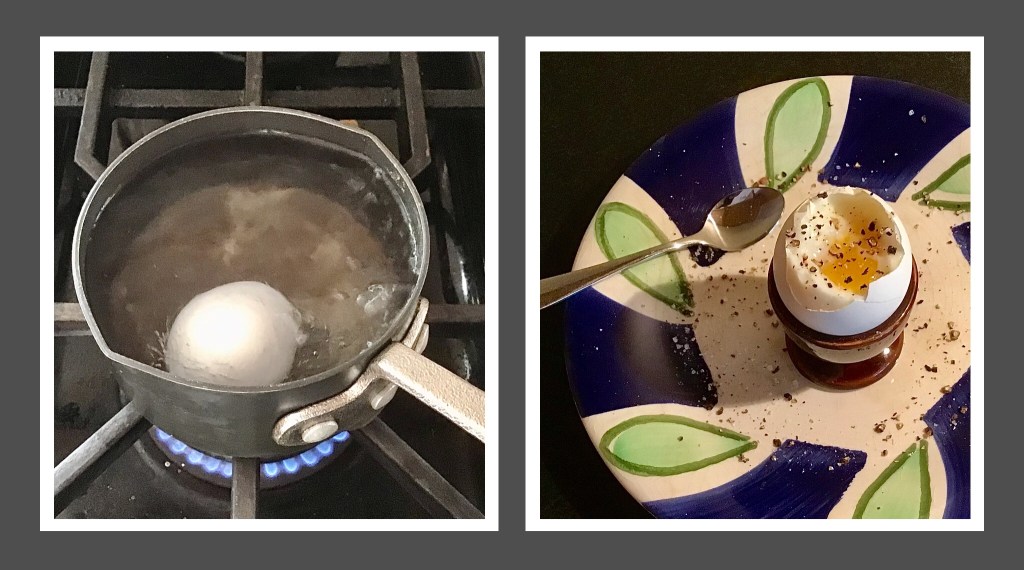
After retiring about eight years ago, I rediscovered the egg cups, and brought them back into use. I’m usually up earlier than Cathy, so we eat breakfast separately. Once about every week or two, I take the four minutes and fifty seconds needed to make a soft boiled egg. Just. The. Way. I. Like. It. A little bit of memory, delight and tastiness all in one egg.

Four Minutes and Fifty Seconds to a Nice Breakfast

Which brings me back to Rachel Syme and her article. The twin dichotomies we share are perfectly summarized in her breakfast description in the article: “Mornings at home were for English muffins with a scoop of marmalade, or muesli with a splash of almond milk. Low-risk stuff. Foolproof … What I kept fantasizing about was a perfect plate of soft-boiled eggs, with a silky, spreadable yolk the consistency of honey. I knew I wasn’t going to be able to manifest this fantasy on my own. Enter the egg machine.

In a million years, I would never come up with the phrase “…with a silky, spreadable yolk, the consistency of honey.” I mean, that is a perfect description. It makes me hungry just reading that line. And then, she adds the kicker “ I knew I wasn’t going to be able to manifest this fantasy on my own. Enter the egg machine.” I wanted to scream out “Rachel! You too can do this. All it takes is four minutes and fifty seconds! Really!”

So there you have it. We all have our talents, we all have our fantasies, and those of us who are lucky enough, recognize the limits of the former, while trying to reach the latter. If Rachel Syme can achieve breakfast nirvana with a DASH Rapid Egg Cooker, who am I to judge? In the meantime, I look forward to reading more of her wonderful writing, and maybe learning a thing or two along the way.

Addendum:

Submarine Games

Submarine Games

Crazy Ivan* anyone? Another Submarine story from my buddy, Bob Bishop**… It was mid-September, 1970. Our submarine, the USS Finback, had been commissioned way back in February, but we were still doing a number of exercises and independent operations to get additional sea time under our belt. On this particular exercise, we were to provide “services” to anti-submarine warfare (ASW) configured Navy patrol aircraft, to give them an idea of how to use their ASW gear and try to find a real live nuclear submarine. This exercise was to involve every ASW patrol plane on the US east coast, NATO members in western Europe, and one reserve squadron from Chicago (don’t ask me why there is an ASW squadron in Chicago).

The USS Finback (SSN 670)

In the Atlantic Ocean, that meant a complex organizational challenge for a lot of people. For each exercise, using radar and radio communications, we would vector a Navy Lockheed P-2 Neptune or P-3 Orion aircraft on top of our location so they could mark where we were. We would then submerge and maneuver. If they didn’t find us in 50 minutes (marking our location by dropping a transmitting sonar buoy), we would broach or surface, show them where we were, and they would then clear the area for the next plane to arrive at the top of the hour. We did this for 18-20 hours a day most days, for 4½ weeks.

During the exercise, we also did occasional helo transfers of a CO/XO from an aircraft squadron to our ship, so they could get a sense of what it was like to be on a submarine and how we operated during these exercises. I particularly remember one squadron XO, a Commander (I was a lowly Lieutenant, but was pretty comfortable with what I knew and no longer frightened by a senior officer), who came in the Control Room after midnight one night. I was the Officer of the Deck (OOD) – the officer on duty responsible for driving the ship, responding to emergencies and so on, unless the Commanding Officer came on deck to relieve me. I had the 0000 to 0600 watch and we were in the middle of conducting the ASW exercises.

We talked over a number of things he was curious about, and he watched as I/we went through a couple of the exercise cycles. Chatting after the third one, he observed “I think I understand your plan. You alternate going to port or starboard as soon as you submerge.” I responded, “Well, not actually”, and we walked over to the chart table. A piece of paper was taped on top of the glass top of the chart table. A mechanical device under the glass receives inputs of the ship’s speed and direction and moves a little light accordingly. Every minute the quartermaster puts a pencil dot where the “bug” (the light) was. As a result, you could see where the ship had been.

I quickly explained how “the bug” worked and showed him where we started the last run and where we ended up 50 minutes later. I then explained that the Captain gave the OOD the latitude to do whatever he wanted, so I decided to spell the Helmsman’s (the person actually steering the ship) name in cursive each watch. I think the letter I was on for that particular run was a “b.” The Lt Commander looked at me, aghast. “You mean, you don’t have a pattern, a routine?” “Nope,” I said, “It all depends on when I am on watch and who the Helmsman is. Although sometimes I use the name of the Stern Planesman or the Diving Officer.”

He walked quietly away, mumbling to himself.

During the 4 1/2 weeks of the exercise, not a single plane ever found us, even though they knew where we started each time. A discussion about the capabilities of ASW aircraft is a subject for another day, but I’ll leave it at this – ASW aircraft (including helicopters) vs. a US Navy nuclear submarine? Bet on the submarine, every time.

Bob in 1964, and then about 50 years later

Addendum:

– * Crazy Ivan references a maneuver sometimes performed by Russian submarines, and made famous in the movie. The Hunt For Red October.

⁃ ** My friend Bob Bishop graduated from the United States Naval Academy in 1964 and had several tours on Nuclear Submarines during the Cold War. At the time, Admiral Hyman G. Rickover, the founder of the modern nuclear Navy, personally interviewed and approved or denied every prospective officer being considered for a nuclear ship. The selection rate was not very high.

– This story is pretty much all Bob’s. All I did was add some editing assistance and publish it.

⁃ The USS Finback (SSN-670) was a nuclear-powered fast attack submarine. Bob was a “plankowner” – a member of the initial crew. He was the third officer to report on board.

⁃ You can read another of Bob’s submarine adventures here. It’s a compelling Cold War story. The movie, The Hunt for Red October, is child’s play, compared to what these sailors did on a daily basis. …The Comms Officer ran in and handed the CO the decoded message. The CO read the message, took the lanyard from his neck, unlocked the firing key cabinet, and reached in for the firing key. We were about to […] Continue at: https://mnhallblog.wordpress.com/2021/06/23/we-knew-we-were-at-war/

The American Experiment

The American Experiment

I will turn 67 on April 10th. That’s a little more than one quarter of the 246 year American Experiment. In January, 1790, George Washington said, “The establishment of our new government seemed to be the last great experiment for promoting human happiness by a reasonable compact in civil society.“* I’m trying to decide how well Washington’s words have held up.

To me, the Constitution and it’s amendments are still a reasonable compact. After that, things are a bit more dicey. As a country, we don’t act particularly civil, or happy these days.

If you look at history, America and Americans have always been contentious, but we seem well past that these days. Civility has gone by the wayside in government, and often in society. Our Congressmen and Senators routinely insult each other and anyone who disagrees with them. Many also have no problem insulting their constituents if he or she disagrees with them. Hate is a word that often comes to mind.

It carries over to our society as well. If there is disagreement, many folk no longer know how to act civilly, or even worse, choose to act uncivilly. Rather than discuss, or ignore something, the preferred response is often to insult or belittle, often with vulgarity. Anyone attend a school board meeting lately? And it’s not just about politics. We fight about noise pollution, light pollution, how people choose to raise their children, shopping sales and parking spots. Our ultimate “right” appears to be the right to be obnoxious.

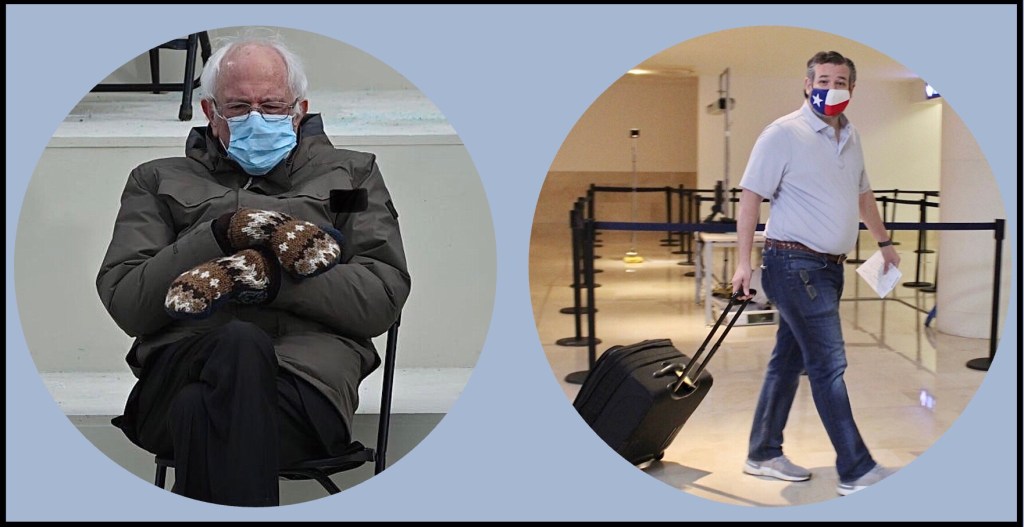
Happiness, at a government or society level, is also in short supply. Our politicians at the national level wear a scowl much more often than a smile. How often do we see Ted Cruz or Bernie Sanders smile? As Americans, many of us are pretty much unhappy about everything – immigration, the news, the price of gas, healthcare, our neighbors with different views, Covid, not using Daylight Savings Time all the time, boomers upset with millennials, everyone upset with boomers, sports referees… No issue is too big or small to escape our ire.

What are the odds of smiles under those masks?

Some days, we appear to be Whiny America, forgetting we could be in Ukraine, or any number of troubled spots around the world.

We have had discord and conflict throughout our history, and certainly there were times worse than what we are experiencing today. The Civil War, The Depression, WWII, The McCarthy era, Vietnam and the upheaval of the ‘60s to name a few.

We have also fought over issues throughout our history. State’s Rights, Western Expansion, Slavery, Women and the Right to vote, Labor and unions, Civil Rights, Gay Rights, Individual versus societal rights, the place of Religion in America … the list goes on.

I was born in 1955. Fools long for the mirage of the “good old days” in the ‘50s, forgetting that we were fighting in Korea, the prospect of nuclear holocaust was real, Civil Rights hardly existed, and Joe McCarthy was trying to tear apart the country with outrageous lies in the US Senate. People forget Happy Days was a fictitious TV show, not American reality.

What makes today appear worse? Maybe the internet-connected-world shines a brighter light on the American Experiment, allowing us to see all of the dark holes that have always been there, but were previously hidden. Maybe it’s not worse. Maybe it’s just our time and turn to experience the tumult that is the American Experiment. Or, maybe our lives have become so otherwise comfortable, this is just the next level of angst over the American Experiment – my way, or the highway, with no room for alternatives.

Maybe, instead of looking at society, we can start by looking at ourselves first, and find some civility, some happiness and some sanity.

You would think each of us could control whether we are civil or not. We can try and take our hatred down a notch or two and find ways to engage civilly with those who are “different” from us. And if we can’t find a way to engage civilly, perhaps we shouldn’t engage at all, rather than becoming mime worthy caricatures.

And Happiness? Certainly a tougher question and each of us is somewhere different on the continuum between abject sadness and blazing joy. We all have personal issues affecting our state of happiness over time, but happiness is often found in the eye of the beholder. Indeed, some people who have the right to be upset about health issues, are happy because they have one more day upright. I think a lesson is there for all of us.

Maybe part of the question is whether we can find happiness without making someone else unhappy.

For me, as I’m about to enter my 68th year on this planet and in this country, I have two thoughts. One, I’m going to strive to maintain my civility, no matter the situation. As for happiness, while I know I won’t always be happy, I’m going to look for happiness where I can find it, in events both big and small. Whether an upcoming vacation, a negative test result, or a new flower blooming in the garden, I will seek out happiness, and let it infect me.

I have no doubt The American Experiment will continue for the foreseeable future. We are a resourceful nation and people, and our strength and good fortune have brought us to where we are today. Like many families, we Americans fight with each other. Is it too much to ask for a little more civility in our lives and fights? That might even help with our collective happiness.

Addendum:

⁃ * Washington penned these words in a letter to English historian, Catharine Macaulay, on 9 January 1790. The entire quote in that part of the letter reads: “The establishment of our new Government seemed to be the last great experiment, for promoting human happiness, by reasonable compact, in civil Society. It was to be, in the first instance, in a considerable degree, a government of accomodation as well as a government of Laws. Much was to be done by prudence, much by conciliation, much by firmness.” You can find a link to the entire letter here: https://founders.archives.gov/documents/Washington/05-04-02-0363 .

⁃ Thanks to my friends Tim Stouffer and Mark Dunavan who both provided thoughts and inputs for this blog.

– As always, thank to my friend Colleen for her editorial assistance. I remain a work in progress.

The Black Death

The Black Death

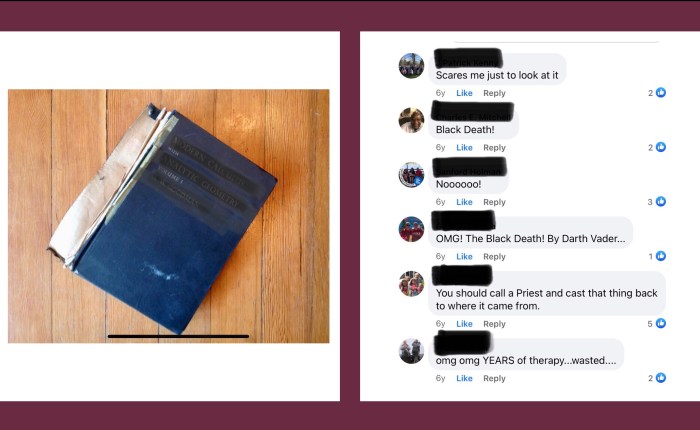
The Black Death. That’s what we called it. Among us Plebes at West Point, feelings were strong, and universal. To this day, grown men shudder when they see a picture of The Black Death. How could a single book leave such a strong impression? What devilry was this? What book of spells could cause such consternation?

Yes, Grown Men Still Shudder when they See a Photo of The Black Death

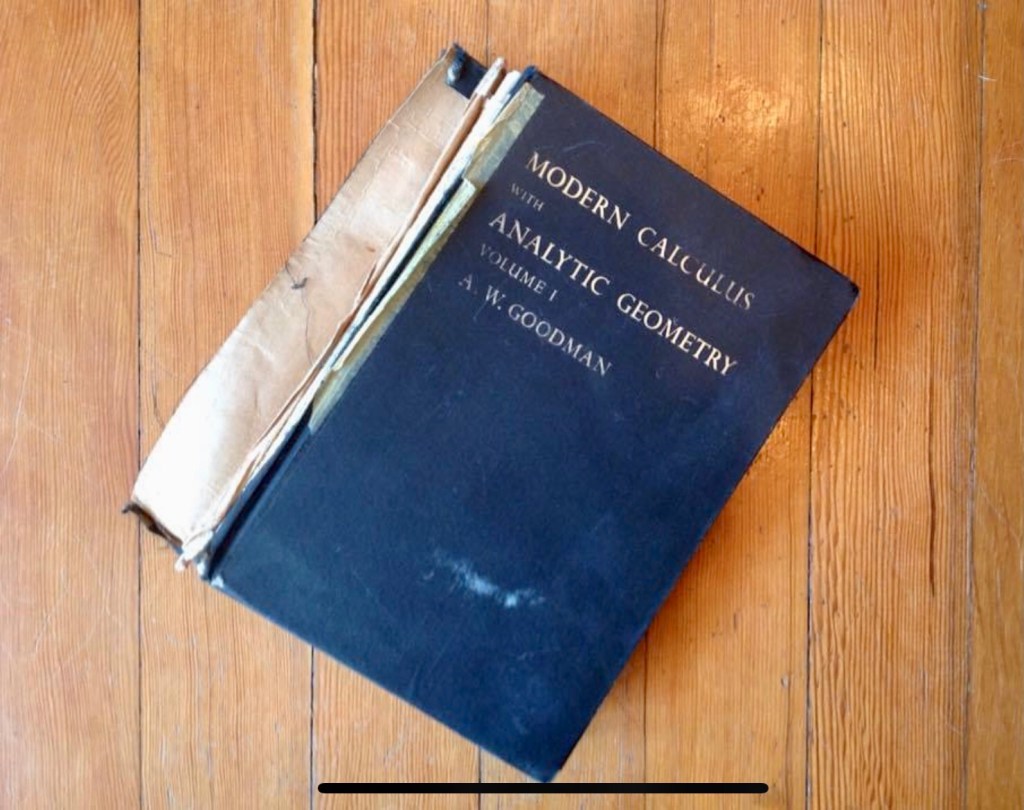
Of course it wasn’t just any book. This book was “Modern Calculus With Analytic Geometry (Volume 1)” by A.W. Goodman. We never called it that though. We called it The Black Death, or sometimes The Black Plague. The book was black, but I suppose our title referred to the entire experience of Plebe (Freshman) math at West Point as much as anything.

The Black Death, in all it’s Glory

After Beast Barracks our first summer at West Point, it was a relief to get to the academic year. Unfortunately, we didn’t quite know was waiting for us. In addition to the normal Plebe challenges, Calculus was a required course for all, and provided our introduction to The Black Death.

This wasn’t just any old math course. There were several “attributes” that put the class  into the category of those things you never forget.  My classmates and I laugh about it now, but it’s still a bit of a nervous laugh.

First off, the class of ‘78 went to Plebe math five days a week, including Saturdays, with 90 minutes for each class. Prior classes attended Calculus class six days a week for 75 minutes per class and thought ‘78 was getting over, since it was only five days a week ;-).

In the class itself, we had normal homework, quizzes and tests. In addition, we suffered a unique form of torture called “The Boards”, also known as “Recitations”. A couple of days a week, the professor would call out “Take Boards.” We cadets stood up and each of us went to one of the blackboards that covered the walls in the classroom. The professor then asked us to work through a calculus problem on the board. It might have been one of the previous night’s homework problems, or it might have been the proof of some theorem. After several minutes, he called “Cease Work!” and then called on one of the students to walk through, or recite, their problem solution. Sometimes it was a cadet who had the solution mapped out perfectly. Other times? Well, other times it might be a cadet whose answer wasn’t correct. It could make for some tense/fumbling moments. Recitations had taken place at the Academy since at least 1869.

Somethings Never Change – Cadets “Taking Boards” in 1900

Of course that sly b@stard Goodman contributed to our pain. While there were often theorems in the book that provided the mathematical proof for the result, it wasn’t always the case. If there was ever a theorem in the book where it said “The proof is intuitively obvious to the casual observer”, you knew it would be a problem for the boards, or a quiz, or a test. For most of us, the solution was never “intuitively obvious”.

At the time, West Point was on a 3.0 grading scale. 3.0 was a perfect score. 2.0 was the lowest passing grade. If you scored a 2.5 on a quiz, you built up five “tenths”. If you scored a 1.7 on a quiz, that was the equivalent of an F and you were down three “tenths”. For those near the bottom of the class in math (or any course), the phrase “2.0 (pronounced “Two OH”) and go” became common. Basically it meant over the course of the semester (and year) you needed to finish with a 2.0 average. Any tenths over that were wasted.

We were quizzed and tested on a regular basis and over time, each of us fell somewhere on the spectrum between 3.0 and less than 2.0. Every few weeks, the math department reordered us cadets by current math class grade ranking. That is, those with the highest grade average, migrated to the “top” sections, while those with the lowest scores would migrate to the “bottom” sections. Each section had about 15 or 17 students. The theory was those in the top sections could cover more material, while those in the lower sections could receive the extra help needed. This reordering of the class on a regular basis was first implemented in the 1820s and was unencumbered by progress for the next 160 years.

The lowest section also earned the nickname “the ejection section” and the guy with the very lowest grade was in the ejection seat. My classmate Rick Steinke, was in the ejection section and ejection seat at various times. At the end of the semester and year, some number of cadets weren’t going to have a grade over 2.0 and one of three things would happen. Rick’s recollection – “That is where I was at the end of first semester, plebe year. Of the bottom 30, as I recall: 1/3 of us did not make it to the next semester (they were booted from the academy); another 1/3 were turned back a year; and another 1/3 went to summer school. I believe I was the only plebe who escaped unscathed, with just a couple of tenths to spare. Thanks to Captain Art Bonifas*, my first semester Professor, and Major Bachman my second semester P, I made it through. Also, Marty Vozzo, my roommate (and several years later, a math professor back at West Point), told me which theorems and equations I needed to memorize. Divine intervention, my brother.”

Rick DID survive the Ejection Section, and the Ejection Seat

Time passed, and we moved on. Obviously lots of Plebes did quite well in Calculus. Many excelled at it.

My classmate Joe Spenneberg, returned to teach math at West Point a decade later, from ‘88-‘91. By the time he returned, Goodman was gone, as were The Boards. The cadets still attended math five days a week, but only for an hour at a time. Also, classes were no longer “reordered” on a regular basis. The course work changed some as well – instruction started with “discrete math”, before migrating to integrals and “continuous math”. In Joe’s words, “The jump between discrete and continuous was key. We told them to imagine that the discrete step is infinitesimally small, which introduces the concept of the limit which is essential to being able to define a derivative …” as Joe was recently explaining this to me, I fogged over about then ;-).

Joe also told me a total of nine or ten of our classmates DID return and teach math at West Point.  To the best of my knowledge, as a class we never ostracized them. 

I’m sure Mr. Adolph Winkler Goodman, who died in 1989, had no idea about his effect on Plebes at West Point. I don’t think it mattered if you were a star man (top 5% of the class) or a goat (bottom of the class), everyone called it The Black Death. Yea, we laugh about it now, but it was pretty serious stuff then. Looking back, it was one of those commonalities that united all of us. You don’t think about a math class uniting people, but I sure think The Black Death did so for us. The only other class with a similar effect was boxing, but that’s another story for another time.

As I was working on this blog last week, I had a dream one night.  I was back at West Point, and you guessed it, in math class.  It was finals and I was in the classroom with several classmates.  Time was passing and for some reason, while I had a copy of the test, I couldn’t find my paper to write my answers down.  I knew the answers, but I couldn’t find the piece of paper to write them on. Classmates started finishing the test and leaving the classroom AND I still hadn’t started.  I was trying to ask the teacher for help, and getting no response…  

I woke up in a sweat.  Looking around, I was in my own bed, with Cathy sound asleep next to me.  I settled back to sleep and chalked it up to one last gift from Mr Goodman and The Black Death. 

Addendum:

⁃ * The name Captain Art Bonifas might sound familiar to you. After leaving West Point, Captain Bonifas was stationed in Korea. In what came to be known as “The Korean Axe Murder incident ”, Bonifas was bludgeoned to death by North Korean soldiers in an international border incident in August of 1976. The world was pretty tense for a couple of weeks after his death. You can learn more about the incident here: https://en.m.wikipedia.org/wiki/Korean_axe_murder_incident

⁃ Special thanks to classmates Rick Steinke, Joe Spenneberg and David Fitzpatrick, who contributed both content and editing to this blog. All three were involved in teaching and Higher Education after their time at West Point. Rick is a former Harvard National Security Fellow, and later served as the Associate Dean at the George C. Marshall European Center for Security Studies. Joe and David both returned to teach at the Academy, and Dave continues to teach History at Washtenaw Community College in Ann Arbor, MI.

– If interested, here’s a blog about my first two hours at West Point: https://mnhallblog.wordpress.com/2017/03/18/first-two-hours-at-west-point/

⁃ For some additional history about West Point and Math, you can try this article – Mathematics Education at West Point: The First Hundred Years: https://www.maa.org/book/export/html/116851. Founded in 1802, West Point was the first engineering school in the United States, and had a uniquely technical curriculum for its time. The first two years of the curriculum was dominated by mathematics. The information in this blog on the history of “Taking Boards”, and the reordering of the class on a regular basis were both documented in this article.

⁃ You can learn more about the restructuring of math instruction at West Point in the late 1980s and early 1990s here: https://www.westpoint.edu/sites/default/files/inline-images/academics/academic_departments/mathematical_sciences/Math/v04_issue1.pdf