The Black Death

The Black Death

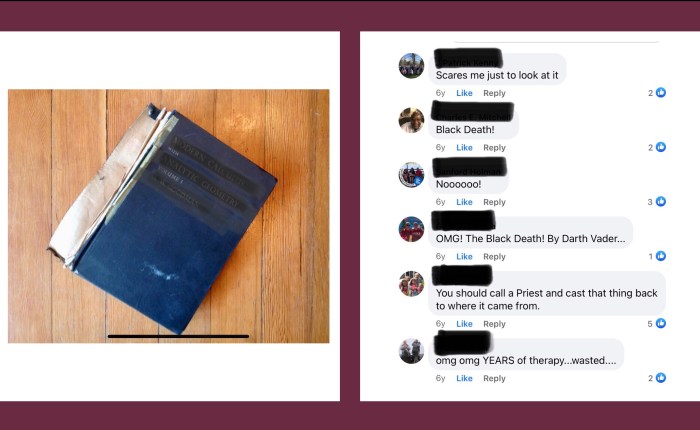
The Black Death. That’s what we called it. Among us Plebes at West Point, feelings were strong, and universal. To this day, grown men shudder when they see a picture of The Black Death. How could a single book leave such a strong impression? What devilry was this? What book of spells could cause such consternation?

Yes, Grown Men Still Shudder when they See a Photo of The Black Death

Of course it wasn’t just any book. This book was “Modern Calculus With Analytic Geometry (Volume 1)” by A.W. Goodman. We never called it that though. We called it The Black Death, or sometimes The Black Plague. The book was black, but I suppose our title referred to the entire experience of Plebe (Freshman) math at West Point as much as anything.
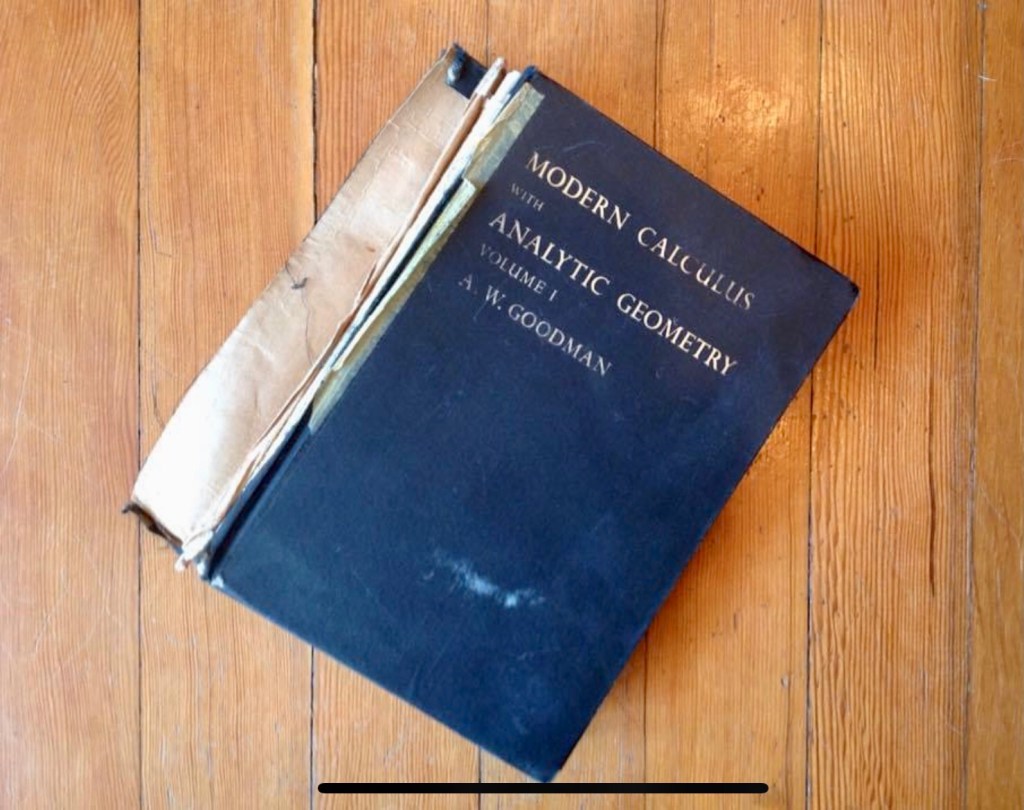
The Black Death, in all it’s Glory

After Beast Barracks our first summer at West Point, it was a relief to get to the academic year. Unfortunately, we didn’t quite know was waiting for us. In addition to the normal Plebe challenges, Calculus was a required course for all, and provided our introduction to The Black Death.

This wasn’t just any old math course. There were several “attributes” that put the class  into the category of those things you never forget.  My classmates and I laugh about it now, but it’s still a bit of a nervous laugh.

First off, the class of ‘78 went to Plebe math five days a week, including Saturdays, with 90 minutes for each class. Prior classes attended Calculus class six days a week for 75 minutes per class and thought ‘78 was getting over, since it was only five days a week ;-).

In the class itself, we had normal homework, quizzes and tests. In addition, we suffered a unique form of torture called “The Boards”, also known as “Recitations”. A couple of days a week, the professor would call out “Take Boards.” We cadets stood up and each of us went to one of the blackboards that covered the walls in the classroom. The professor then asked us to work through a calculus problem on the board. It might have been one of the previous night’s homework problems, or it might have been the proof of some theorem. After several minutes, he called “Cease Work!” and then called on one of the students to walk through, or recite, their problem solution. Sometimes it was a cadet who had the solution mapped out perfectly. Other times? Well, other times it might be a cadet whose answer wasn’t correct. It could make for some tense/fumbling moments. Recitations had taken place at the Academy since at least 1869.

Somethings Never Change – Cadets “Taking Boards” in 1900

Of course that sly b@stard Goodman contributed to our pain. While there were often theorems in the book that provided the mathematical proof for the result, it wasn’t always the case. If there was ever a theorem in the book where it said “The proof is intuitively obvious to the casual observer”, you knew it would be a problem for the boards, or a quiz, or a test. For most of us, the solution was never “intuitively obvious”.

At the time, West Point was on a 3.0 grading scale. 3.0 was a perfect score. 2.0 was the lowest passing grade. If you scored a 2.5 on a quiz, you built up five “tenths”. If you scored a 1.7 on a quiz, that was the equivalent of an F and you were down three “tenths”. For those near the bottom of the class in math (or any course), the phrase “2.0 (pronounced “Two OH”) and go” became common. Basically it meant over the course of the semester (and year) you needed to finish with a 2.0 average. Any tenths over that were wasted.

We were quizzed and tested on a regular basis and over time, each of us fell somewhere on the spectrum between 3.0 and less than 2.0. Every few weeks, the math department reordered us cadets by current math class grade ranking. That is, those with the highest grade average, migrated to the “top” sections, while those with the lowest scores would migrate to the “bottom” sections. Each section had about 15 or 17 students. The theory was those in the top sections could cover more material, while those in the lower sections could receive the extra help needed. This reordering of the class on a regular basis was first implemented in the 1820s and was unencumbered by progress for the next 160 years.

The lowest section also earned the nickname “the ejection section” and the guy with the very lowest grade was in the ejection seat. My classmate Rick Steinke, was in the ejection section and ejection seat at various times. At the end of the semester and year, some number of cadets weren’t going to have a grade over 2.0 and one of three things would happen. Rick’s recollection – “That is where I was at the end of first semester, plebe year. Of the bottom 30, as I recall: 1/3 of us did not make it to the next semester (they were booted from the academy); another 1/3 were turned back a year; and another 1/3 went to summer school. I believe I was the only plebe who escaped unscathed, with just a couple of tenths to spare. Thanks to Captain Art Bonifas*, my first semester Professor, and Major Bachman my second semester P, I made it through. Also, Marty Vozzo, my roommate (and several years later, a math professor back at West Point), told me which theorems and equations I needed to memorize. Divine intervention, my brother.”

Rick DID survive the Ejection Section, and the Ejection Seat

Time passed, and we moved on. Obviously lots of Plebes did quite well in Calculus. Many excelled at it.

My classmate Joe Spenneberg, returned to teach math at West Point a decade later, from ‘88-‘91. By the time he returned, Goodman was gone, as were The Boards. The cadets still attended math five days a week, but only for an hour at a time. Also, classes were no longer “reordered” on a regular basis. The course work changed some as well – instruction started with “discrete math”, before migrating to integrals and “continuous math”. In Joe’s words, “The jump between discrete and continuous was key. We told them to imagine that the discrete step is infinitesimally small, which introduces the concept of the limit which is essential to being able to define a derivative …” as Joe was recently explaining this to me, I fogged over about then ;-).

Joe also told me a total of nine or ten of our classmates DID return and teach math at West Point.  To the best of my knowledge, as a class we never ostracized them. 

I’m sure Mr. Adolph Winkler Goodman, who died in 1989, had no idea about his effect on Plebes at West Point. I don’t think it mattered if you were a star man (top 5% of the class) or a goat (bottom of the class), everyone called it The Black Death. Yea, we laugh about it now, but it was pretty serious stuff then. Looking back, it was one of those commonalities that united all of us. You don’t think about a math class uniting people, but I sure think The Black Death did so for us. The only other class with a similar effect was boxing, but that’s another story for another time.

As I was working on this blog last week, I had a dream one night.  I was back at West Point, and you guessed it, in math class.  It was finals and I was in the classroom with several classmates.  Time was passing and for some reason, while I had a copy of the test, I couldn’t find my paper to write my answers down.  I knew the answers, but I couldn’t find the piece of paper to write them on. Classmates started finishing the test and leaving the classroom AND I still hadn’t started.  I was trying to ask the teacher for help, and getting no response…  

I woke up in a sweat.  Looking around, I was in my own bed, with Cathy sound asleep next to me.  I settled back to sleep and chalked it up to one last gift from Mr Goodman and The Black Death. 

Addendum:

⁃ * The name Captain Art Bonifas might sound familiar to you. After leaving West Point, Captain Bonifas was stationed in Korea. In what came to be known as “The Korean Axe Murder incident ”, Bonifas was bludgeoned to death by North Korean soldiers in an international border incident in August of 1976. The world was pretty tense for a couple of weeks after his death. You can learn more about the incident here: https://en.m.wikipedia.org/wiki/Korean_axe_murder_incident

⁃ Special thanks to classmates Rick Steinke, Joe Spenneberg and David Fitzpatrick, who contributed both content and editing to this blog. All three were involved in teaching and Higher Education after their time at West Point. Rick is a former Harvard National Security Fellow, and later served as the Associate Dean at the George C. Marshall European Center for Security Studies. Joe and David both returned to teach at the Academy, and Dave continues to teach History at Washtenaw Community College in Ann Arbor, MI.

– If interested, here’s a blog about my first two hours at West Point: https://mnhallblog.wordpress.com/2017/03/18/first-two-hours-at-west-point/

⁃ For some additional history about West Point and Math, you can try this article – Mathematics Education at West Point: The First Hundred Years: https://www.maa.org/book/export/html/116851. Founded in 1802, West Point was the first engineering school in the United States, and had a uniquely technical curriculum for its time. The first two years of the curriculum was dominated by mathematics. The information in this blog on the history of “Taking Boards”, and the reordering of the class on a regular basis were both documented in this article.

⁃ You can learn more about the restructuring of math instruction at West Point in the late 1980s and early 1990s here: https://www.westpoint.edu/sites/default/files/inline-images/academics/academic_departments/mathematical_sciences/Math/v04_issue1.pdf
Lariat Advance

Lariat Advance

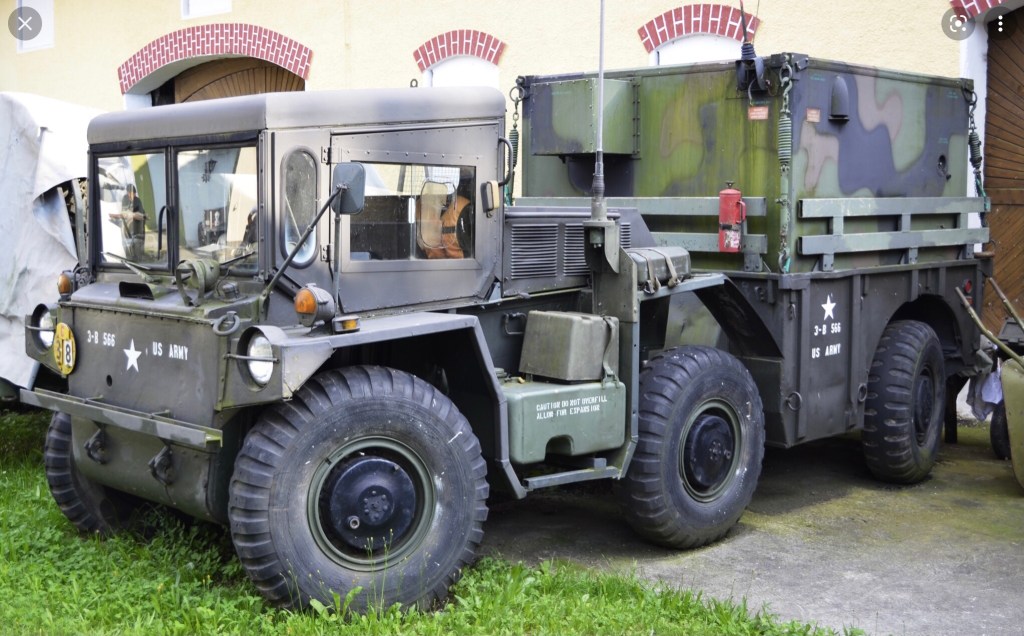
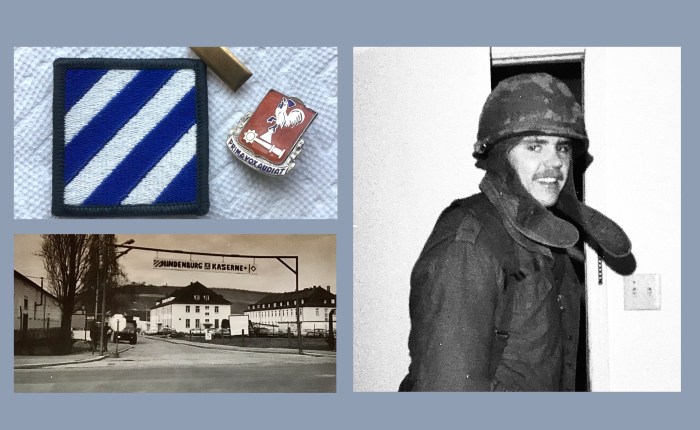
The call came at about 3:40AM in late February, 1979. I answered the phone, “LT Hall.” – “Max, this is Captain Ward. A Lariat Advance Alert was called at 3:25AM this morning.” – “Got it sir – on my way.” I called my Platoon Sergeant, Paul Teague to notify him, and kissed Cathy goodbye, with a “See you when I can”. I was out the door for the drive to Hindenburg Kaserne by 3:50AM.

We lived in the little town of Helmstadt, Germany, about 15 minutes from Hindenburg Kaserne (Barracks, or Army Post) in Würzburg. My mind raced on the drive to the barracks.

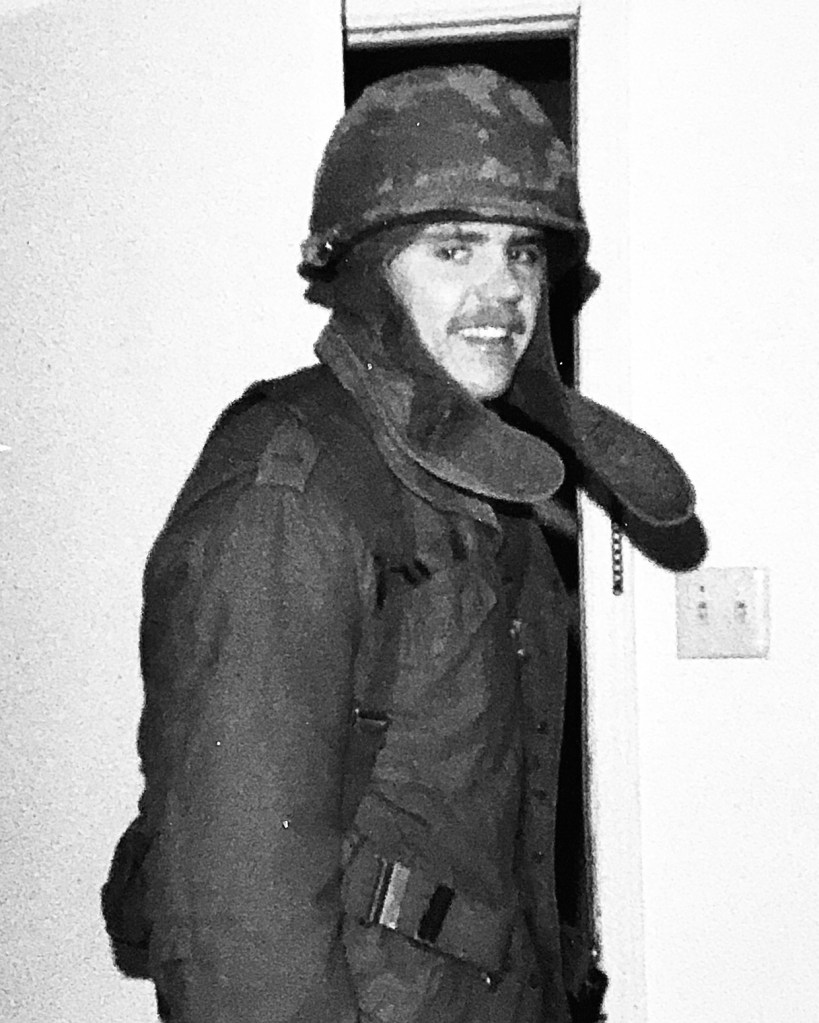
LT Hall in 1979

This was my first Lariat Advance. I’d joined the 123D Signal Battalion, 3rd Infantry Division in January of ‘79. A Lariat Advance was a US Armed Forces Cold War mobilization alert in Germany. The thing was, you never knew if it was a drill, or in response to a real world situation. If just a practice, it might be called off after a couple of hours. BUT, you could also deploy and link up with the unit you supported (2nd Brigade, 3ID in my case), or even deploy to your General Defense Plan (GDP) location. For my platoon, that was near the village of Hof, and the Hof Gap on the the Czech/East German border. The Hof Gap was considered a major Armor Route for a Russian invasion of West Germany. The pucker factor increased significantly if you deployed there on an alert.

My unit, B Company, 2nd Platoon, was always the first unit scheduled for departure, as we had farther to go. We would depart two hours after the alert was originally called. In this case, we needed to be lined up at the Kaserne Gate and ready to go at 5:25AM.

Main Gate, Hindenburg Kaserne

I arrived at the Kaserne a few minutes after 4:00AM. As I climbed out of the car, I promptly locked my keys in the car. “D@mn!” I stood looking at the car, shaking the door when one of my squad leaders, Sergeant Santos ran by and called out – “Yo, L.T. (Pronounced Ell-Tee), what’s up?” – “I locked my keys in the car.” He stopped, looked at me for a second and then said, “Forget ‘em. We’ll get them later – we gotta go!

He was right, of course. I left the car and ran to the Company HQ and checked in with the CO. Next, over to the Armorer, where I picked up my .45 pistol, and finally, I ran back outside and over to our Platoon Bay. It was probably about 4:15AM.

Sergeant Teague had also just arrived and he gave me a status report. About 80% of our troops were on the Kaserne, with the others expected shortly. We then looked at our vehicles’ status. Our platoon had around 20 vehicles in all – a combination of jeeps, a 2 1/2 Ton truck (the Deuce) and several Gamma Goats. Gamma Goats were six wheeled vehicles that could, at least in theory, perform off road much like a tank, or other tracked vehicle. We needed to determine which deadlined vehicles could be made readily available, by cannibalizing* other deadlined vehicles. We agreed that of our four deadlined Gamma Goats we could maybe get three ready, and still make the 5:25 departure time.

A Gamma Goat, with Comm Shelter

The next half hour was total chaos. By then, all of our troops but one were on the Kaserne and had picked up their weapons. We continued loading both personal and platoon equipment into our vehicles. Cases of C-rations were loaded into the Deuce, along with other supplies. Two of the deadlined vehicles were fixed, but we were still having problems with the third. Somewhere in there, we received word we would deploy to Kitzingen, and link up with 2nd Brigade’s HQ elements. It was now 4:55AM, a half hour before departure.

Suddenly, a feeling of great calm and clarity settled over me. The world seemingly slowed down. Sergeant Teague and I agreed it was too late to fix the last vehicle and to hell with it, we would roll with what we had. We held a quick meeting with our three section leaders and strip maps to Kitzingen were passed out for each of the vehicles (remember this was all pre cellphones or google maps). We lined up the vehicles in the motor pool and proceeded to the gate, with my Jeep in the lead. Sergeant Teague was in the last Jeep at the end of the convoy. At 5:15, we were at the gate where the Battalion Commander, Colonel Swedish and Command Sergeant Major Johnson greeted us. We spoke briefly and they wished us good luck.

5:25AM came, and we rolled. The rest of the day passed in a bit of a blur. Google maps says the drive from Würzburg to Kitzingen takes a half hour, but at convoy speed, it probably took us about an hour. We arrived and I reported in to the 2nd Brigade Operations Officer (S3). Then, as is often true in the Army, we sat and waited. And waited. I stayed in touch with the Brigade S3, and also with my Company Commander via FM radio. After a couple of hours passed, we received word it was a drill, and perhaps another two hours later, we were released and returned to Hindenburg Kaserne.

The drive back took another hour. Once back at Hindenburg, we offloaded all of our equipment, washed our vehicles, and then topped all of them off with fuel, so they were ready to go. Cannibalized parts were returned to their original vehicles. A weapons count was done by the armorer, and it was verified all weapons were turned in and accounted for.

I reported to Company Headquarters that all recovery tasks were completed. Once all three platoons were finished, Captain Ward let me know we could dismiss the troops, which I did.

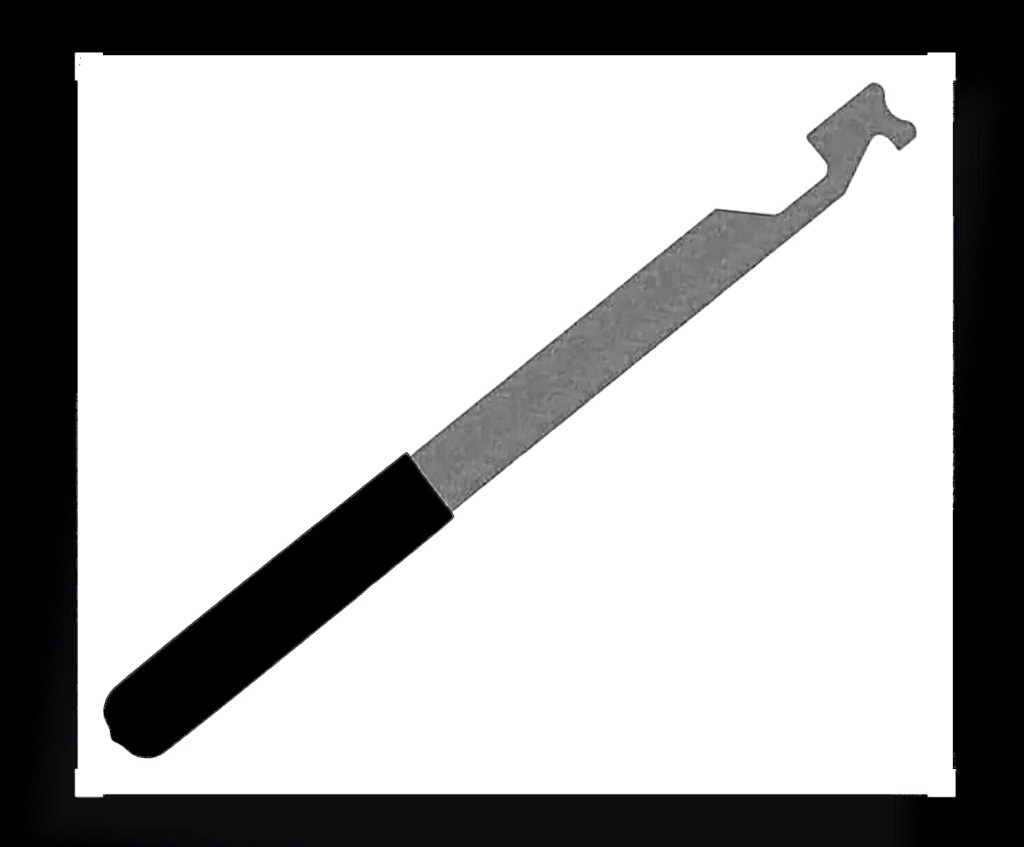
By now, it was late afternoon or early evening, and my keys were still locked in the car. I started thinking about how I was going to get home, when Sergeant Santos came up. “Hey L.T. Let’s get those keys.” – “Sure, how are going to do that?” Ramos just smiled, and then pulled a Slim Jim** out of his jacket. Two minutes later, the door was open, and I had my keys. I thanked him, and decided right then and there, I didn’t need to know why he owned a Slim Jim.

A Slim Jim – Need your car door opened?

With Russia and the Ukraine in the news, I was thinking about that first Lariat Advance. Forty years ago, we were concerned about, and prepping for war with, the USSR. After The Berlin Wall fell in 1989 and the Cold War ended, I thought those days were behind us, at least for Europe. With Mr. Putin’s current aggression, that no longer seems the case. I’ve been thinking about an Intelligence flyer that came out, right after The Wall fell, warning us about the long term goals of the Russians:

“We will Smash them with our clenched fist.”

It is no longer Communism against capitalism, but it is still Russia versus the West. Sometimes the more things change, the more they stay the same. I’m wishing Godspeed and safety to all of our troops.

Addendum:

Cannibalize – If a vehicle was determined to have a safety issue, or something major wrong with it during operations or an inspection, it was put on the deadline report and the appropriate parts were ordered. You were not allowed to drive deadlined vehicles, until they were repaired. In the event of an alert, you “Cannibalized” one of the vehicles to remove parts to put in the remaining vehicles. It might be something as simple as a brake signal bulb (safety feature), or something more serious like a transmission problem. Cannibalization was frowned upon, as you could literally reduce one of your vehicles to a pile of parts in order to fix other vehicles. That one vehicle would stay on deadline forever. This is why we were to return cannibalized parts to the original vehicle when we returned to the Kaserne.

• **Slim Jim – For those unaware, a Slim Jim is a slender device used to break into a car by fishing down the side of window and into the door for the locking mechanism.

Mrs Ahrens – Den 1 and Pack 50

Mrs Ahrens – Den 1 and Pack 50

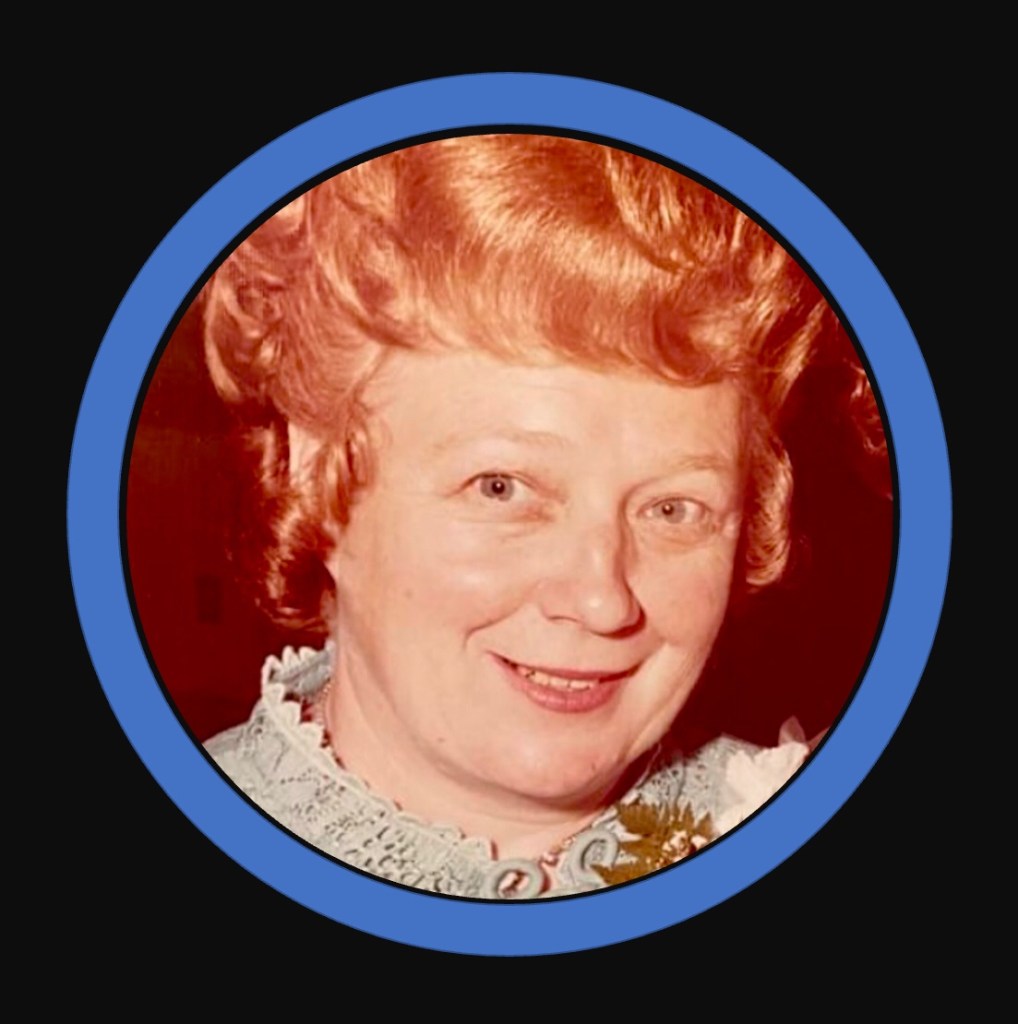
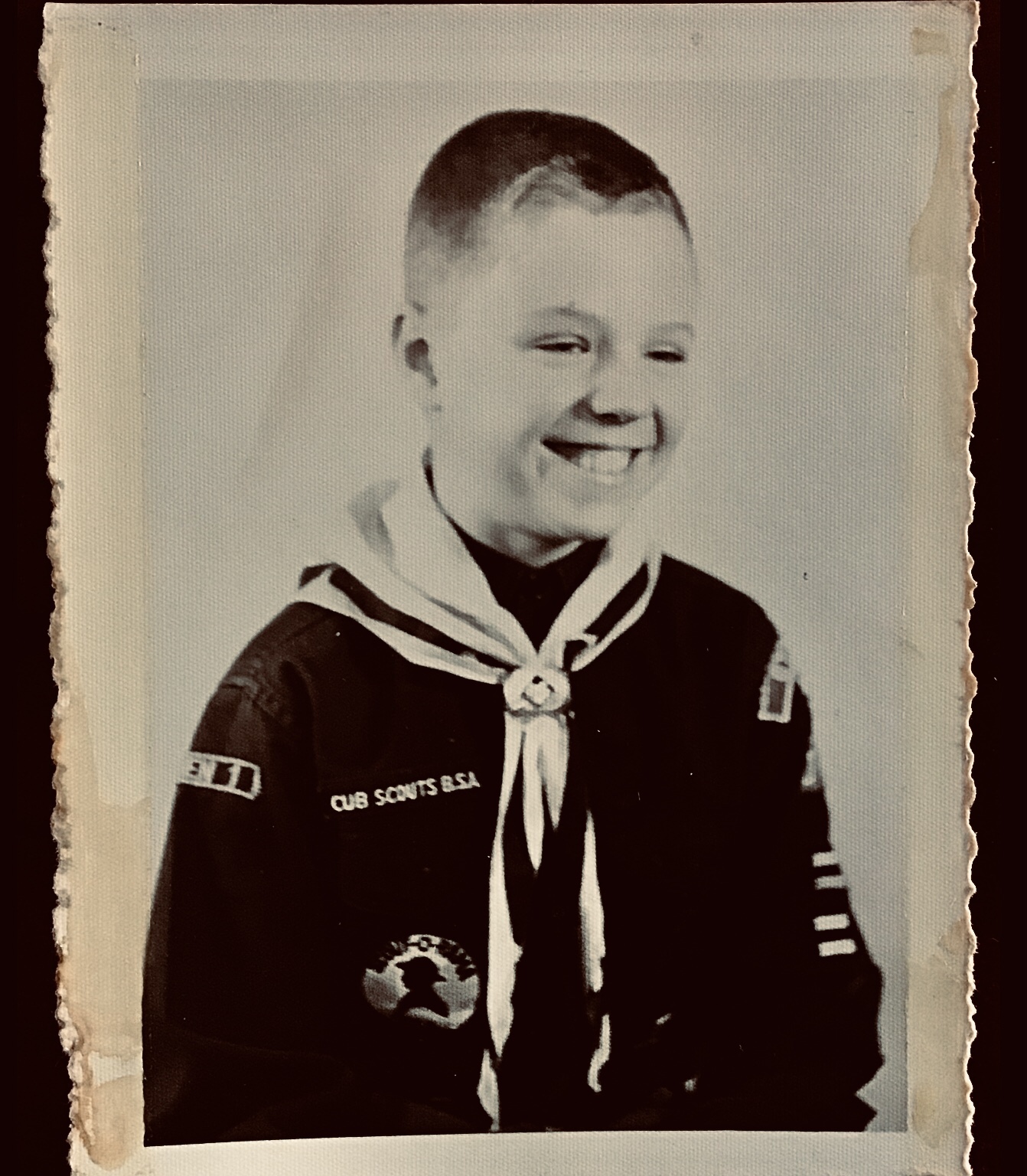
Another part of my childhood is gone forever. Mrs Lois Ahrens, my Cub Scout Den Mother from 1963-65, passed away on March 14th at the age of 92. On hearing the news, I was transported back in time to the joy of Tuesday afternoons, and Den meetings in her home. I also thought about the lessons we learned.

Mrs Ahrens, our Den Mother for Den 1

On Tuesday afternoons, the teachers at McKinley School in Ottawa, Illinois had conferences and as a result, we kids were released early. At eight years old, for me and many of my buddies, that meant heading to a Cub Scout Den meeting. I was a member of Pack 50 and belonged to Den 1, under Mrs Ahrens.

Those meetings are mostly a blur now, but I do have a few distinct memories. Many of the meetings were in her basement, where we engaged in some sort of craft project – maybe making a birdhouse out of popsicle sticks, or something similar. I also remember “field trips” to places of interest around town. At various times we were led on tours of the local newspaper, “The Daily Republican Times”, and a local bread bakery. I think there was also a trip to the grave of WD Boyce, the founder of the Boy Scouts. He is buried in Ottawa.

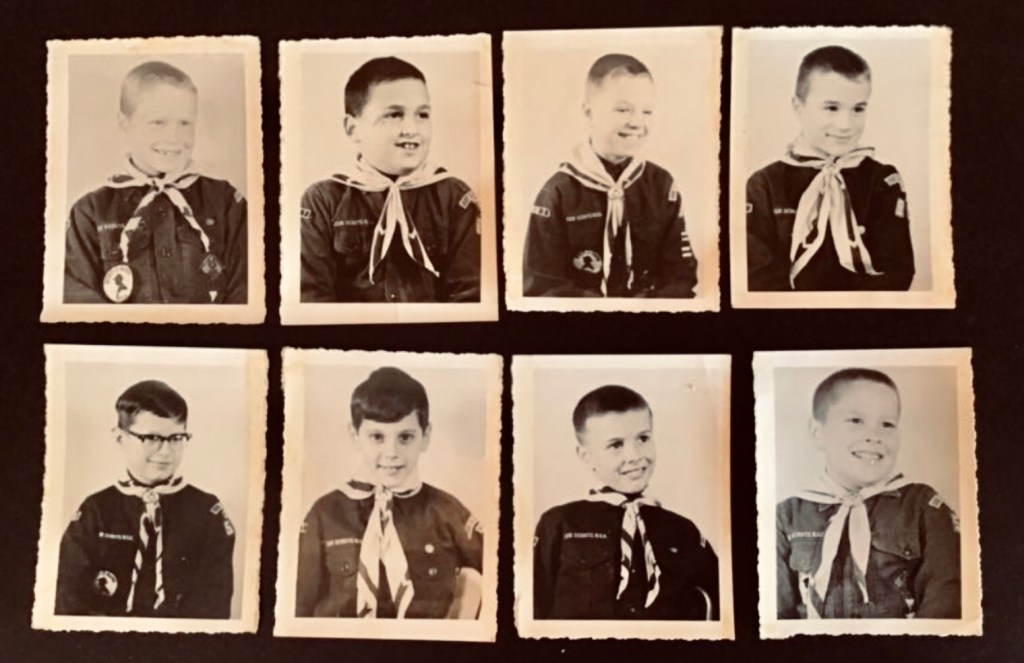
Den 1 of Pack 50 in 1964. Top row: Kenny Ahrens, Terry Johnson, Max Hall, and Dave Engel. Bottom row: Brian Eastman, Dion Sartorio, Pat Hale and Joey McGinnis.

We also had early teachings about honesty, doing our best and being prepared. I don’t suppose we thought of them as lessons at the time, but they helped lay a foundation for my life. We didn’t know what mentors were then, but looking back, that’s what Mrs Ahrens was, and a very good one at that.

Eventually, I moved on from Cub Scouts to Webelos, and then Boy Scouts. Mrs Ahrens and her family moved away from Ottawa a few years later, but I never forgot her, or the lessons she imparted to us. After fifty-some years, I still remember her, and the fun times we had in Den 1. The flood of good memories have somewhat offset the sadness I felt, upon learning of her death.

Those days were long ago, and now with her passing, the Scout Leaders of my youth are all gone. Not only Mrs Ahrens, but Harry Mayberry, our Pack 50 leader, Harry Nangle the local Police Chief and our Webelos leader, and Don Willy and Farrell Brooks, my Boy Scout Leaders. Collectively, they formed a part of who Max Hall became as an adult – an important part. I remember all of their names and the impact they had on me as a child and young man. I’m lucky to have known them, and had them in my life.

Mrs Ahren’s obituary stated in part:

  • “ Lois Rita Ahrens, affectionately known by all as ‘Honey’, born January 13. 1929, was called home to our Heavenly Father … on March 14, 2021… Honey, who was a wonderful and caring mother, grandmother and great grandmother and as sweet and kind as her nick-name suggests, leaves behind many family members and friends who will long remember her heartwarming smile, contagious good will, and joyful laughter … In lieu of sending flowers, the family invites you to honor Honey’s life by sharing a laugh and smile with a friend, hugging those you love, and remembering all the lives so tragically effected by the pandemic.”

I do remember her smile, good will, and laughter. You may not have known Mrs Ahrens, but I’m sure many of you knew someone like her, whether in Cub Scouts, Brownies, or another youth group. I ask you to join me in honoring their memories “by sharing a laugh and smile with a friend, and hugging those you love…” I think she, and they, deserve that much.

Addendum:

• Mr Ken Ahrens, Lois’s husband, was my Little League coach a couple of years later. Our team, The Yanks, won the City Championship under him in the summer of 1966 or ‘67. His son, Kenny, seen in the group picture above, was one of our pitchers and had a helluva pitching arm…

• Thanks as always to Tim Stouffer, Howard Johnson and Mark Dunavan for their thoughts and inputs to this blog. Tim and Howard were both four months younger than I, and as a result, they didn’t join Cub Scouts until four months later. They were both in Den 2, under Mrs Stouffer, but remember Mrs Ahrens as well. Mark went to a different grade school, but had memories of trying to hit pitches by Kenny Ahrens in Little League Baseball…. 😉

• The Boy Scouts played a big part in my youth. Here’s a Blog I did about Farrell Brooks and Don Willy, our Scoutmasters at the time. They were both important men in my life: https://mnhallblog.wordpress.com/2019/07/11/farrell-and-don/

Kicked out of a Walled City….Twice

Kicked out of a Walled City….Twice

Not everyone can get kicked out of a walled city twice in one night, but dad found a way….

In February of ’43, after relieving the 1st Infantry Division at Kasserine Pass, the 9th Infantry Division spent the next several months in combat across Tunisia. I remember dad telling some stories of those times and the names don’t role across the tongue lightly – Maknassy, Jefna, the Sedjenane Valley, Mateur, Bizerte…. Forgotten names in history books now, but deadly important then. I think the great WWII columnist Ernie Pyle got it right in his description of the Infantry in North Africa:

         “IN THE FRONT LINES BEFORE MATEUR, MAY 2, 1943…..

       There is now a thin line of men. For four days and nights they have fought hard, eaten little, washed none, and slept hardly at all. Their nights have been violent with attack, fright, butchery, and their days sleepless and miserable with the crash of artillery…..The men are walking. Their walk is slow, for they are dead weary, as you can tell even when looking at them from behind. They are young men, but the grime and whiskers and exhaustion make them look middle-aged…..There is an agony in your heart and you almost feel ashamed to look at them. They are just guys from Broadway and Main Street, but you wouldn’t remember them. They are too far away now. They are too tired. Their world can never be known to you, but if you could see them just once, just for an instant, you would know that no matter how hard people work back home they are not keeping pace with these infantrymen in Tunisia.”

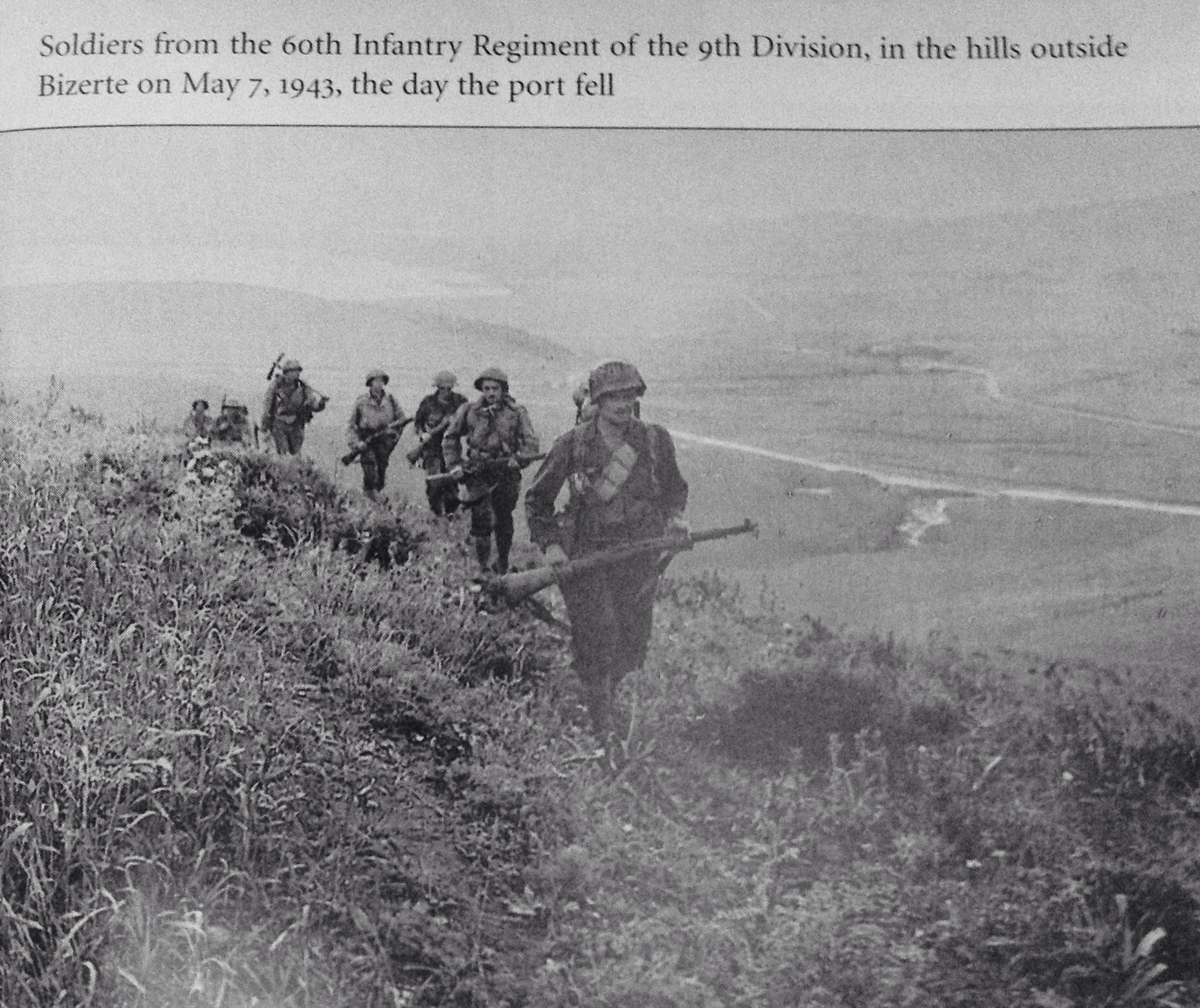
They kept at it and on May 9th, the enemy surrendered In Africa. By then, they had fought and beaten the French, Italians, and Germans and were feeling pretty good about themselves.  

Dad’s unit, on the date Bizerte fell (from “An Army at Dawn”, by Atkinson)

At the end of May, the division was in bivouac and had almost seven weeks of light duty and downtime. The nearest town was a walled city, Sidi bel Abbes, about 30 miles away. The Army, in it’s generosity and wisdom, was giving day passes on a quota system. They’d truck the GIs there during the day, and bring them back to the encampment at nightfall.  

Over the course of June, Dad made it there multiple times and drank wine, ate French food, and visited a couple of houses of ill repute. Not a bad way to spend time in your 19th year of life.

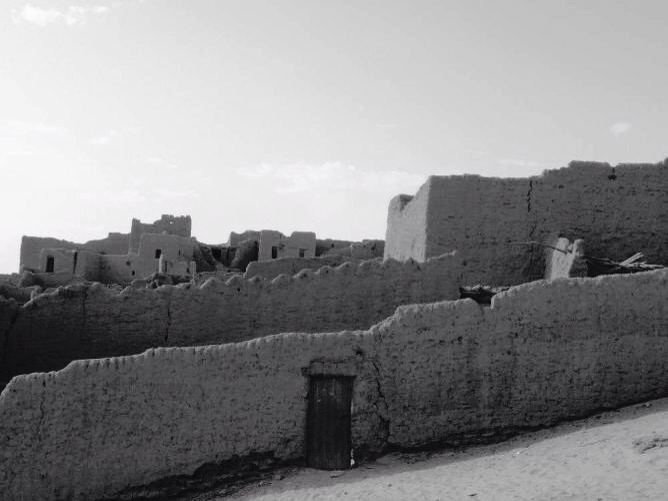
In any case, he eventually returned one time to often to Sidi bel Abbes. Towards the end of June, dad and a buddy got a pass and caught the truck ride to town, where they spent the day partying, drinking, and committing other questionable acts. They missed the truck back to the camp and kept partying until they were caught by the MPs who were patrolling the town. The MPs actually cut them a break and didn’t arrest them. They just kicked them out of the walled city, meaning they would have to walk the 30 miles back to camp. They knew they were already in trouble at this point, so they said the hell with it and climbed the wall and went back into the city.  

Part of the wall around Sidi bel Abbes

More partying ensued and they were trying to find a particular address they had been given. The MPs saw them again and gave chase. With the wine they had consumed, they were in no real shape to get away, and were caught a second time. This time, rather than just depositing them outside the gate to the town, the MPs drove them back to the encampment, and turned them over to the company First Sergeant.

The next day, dad reported in to the CO.
      “Sir! Sergeant Hall reporting as ordered”.

The CO looked up from his desk, then looked back down.
      “That will be all Private Hall”.

And so, dad, who entered North Africa as a Sergeant, departed as a Private. In his words, 
       “Hell, what were they going to do to you for acting up? Short of murder, Or armed robbery, no one went to the stockade, especially if you were an Infantryman.    Combat veterans at that point were of incredibly high value, so maybe you got busted, but you stayed with your unit.”

Dad left Africa on July 24th, on a ship bound for Sicily. They landed at Polermo on August 1, while being bombed by the Germans. He didn’t know it yet, but his time with the 9th Infantry Division would be over on August 8th when he was severely wounded. In fact, his buddies thought he was probably going to die. He survived, and was in the Army for two more years, but never did rejoin the 9th…