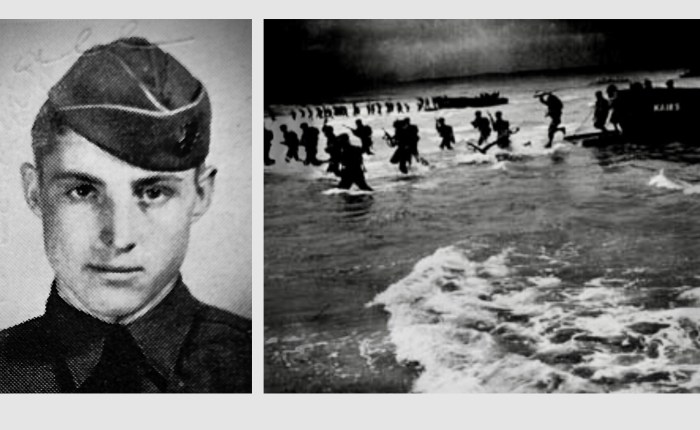
November, 1942 – Dad and the Invasion of North Africa

November, 1942 – Dad and the Invasion of North Africa

They were kids really. These men getting ready to invade North Africa, were kids. On November 8th, 1942, the invasion of North Africa began. Dad had turned 19 just two weeks before. Under the Command of Major General George S. Patton, Sergeant Willie I. Hall and his squad were among the first troops on the beach. It was the first US offensive ground engagement against the enemy during World War II.

Dad joined the army in September of 1940 at the age of 16. Pearl Harbor happened a little over a year later, and the training became serious. Along the way, he was promoted, and then promoted again to Sergeant and made a Squad Leader in B Company, 1st Battalion, 60th Regimental Combat Team.
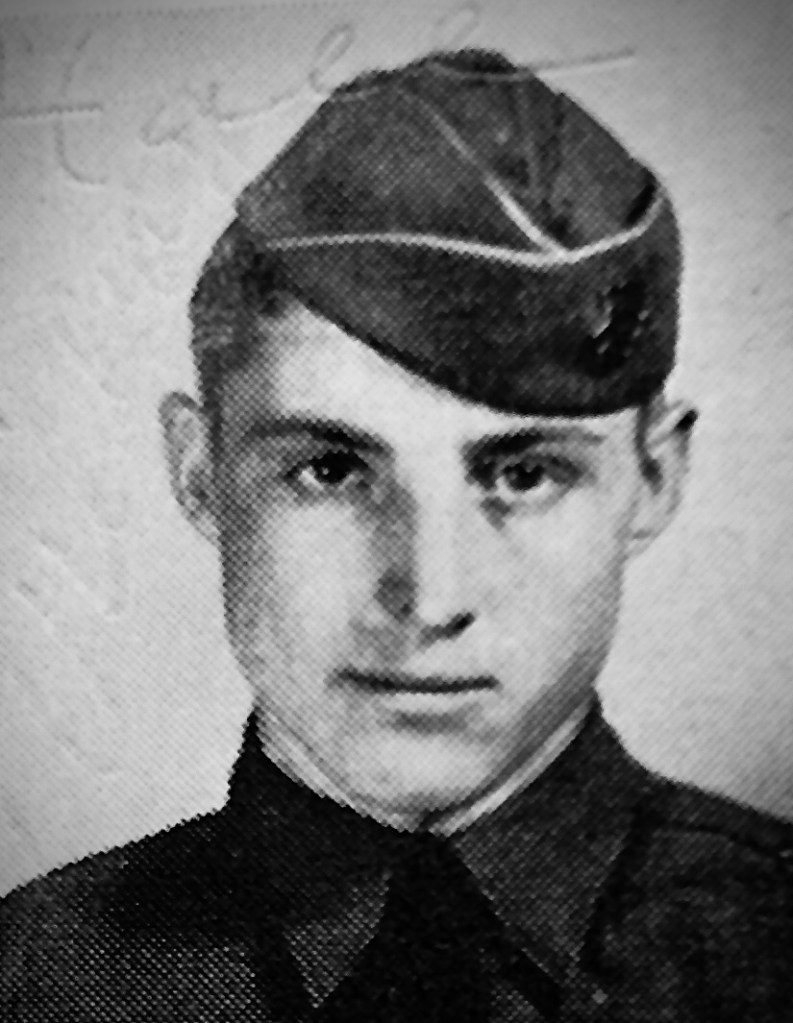
Dad, Probably in 1941

He said a final goodbye to family and friends in Ottawa, Illinois during a leave in August of ‘42. In early October, his unit received their last weekend passes from Fort Bragg, and tore up the town of Charlotte, North Carolina. Some of the troops were late returning, but no one paid any attention. Things were about to get real.

A few days after that weekend, on October 14th, their unit loaded in trucks and moved to the coast and their embarkation point, Norfolk, Virginia. There, they boarded the ship, the USS George Clymer, and departed US waters on October 22d, Dad’s 19th birthday.

Operation Torch had three distinct landing areas in French Morocco and Algeria and they would be fighting against troops of Vichy France. The 60th was a part of the “Western Task Force” under Patton. With combined units from the 9th and the 2nd Armored Division, the Western Task Force was at about Division strength, and unlike the other two Task Forces, consisted solely of American Troops.
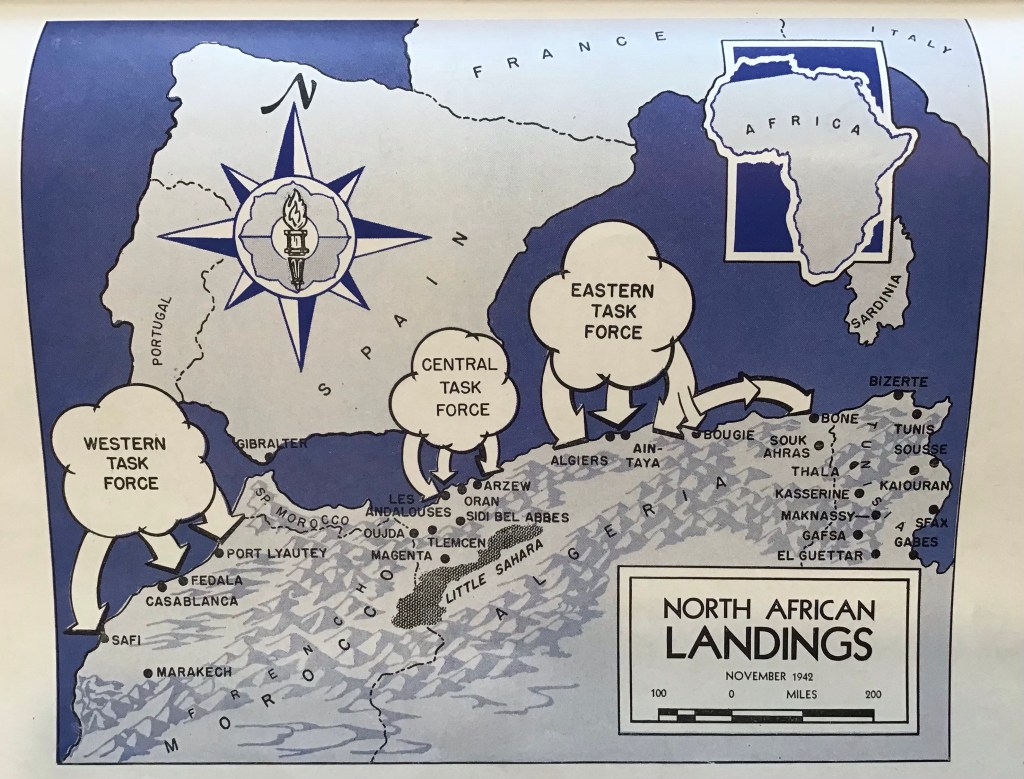
Operation Torch – Dad would Land at Port Lyautey, as a part of the Western Task Force under Patton

On November 8th, during the early morning hours, Operation Torch, and the invasion of North Africa, began. At about 4:30AM, the men of the 60th started climbing over the side of the ship, working their way down the landing nets and into the waiting Landing Craft (LCVs). At about 5:40AM, Dad and the 60th came ashore at Port Lyautey, Morocco, 80 miles northeast of Casablanca. Their objective was the Airfield beyond the city, and the Casbah (a fortress on higher ground). Even as they were landing, French shore batteries opened fire on the warships and French aircraft strafed the beach. The 60th suffered it’s first casualties.
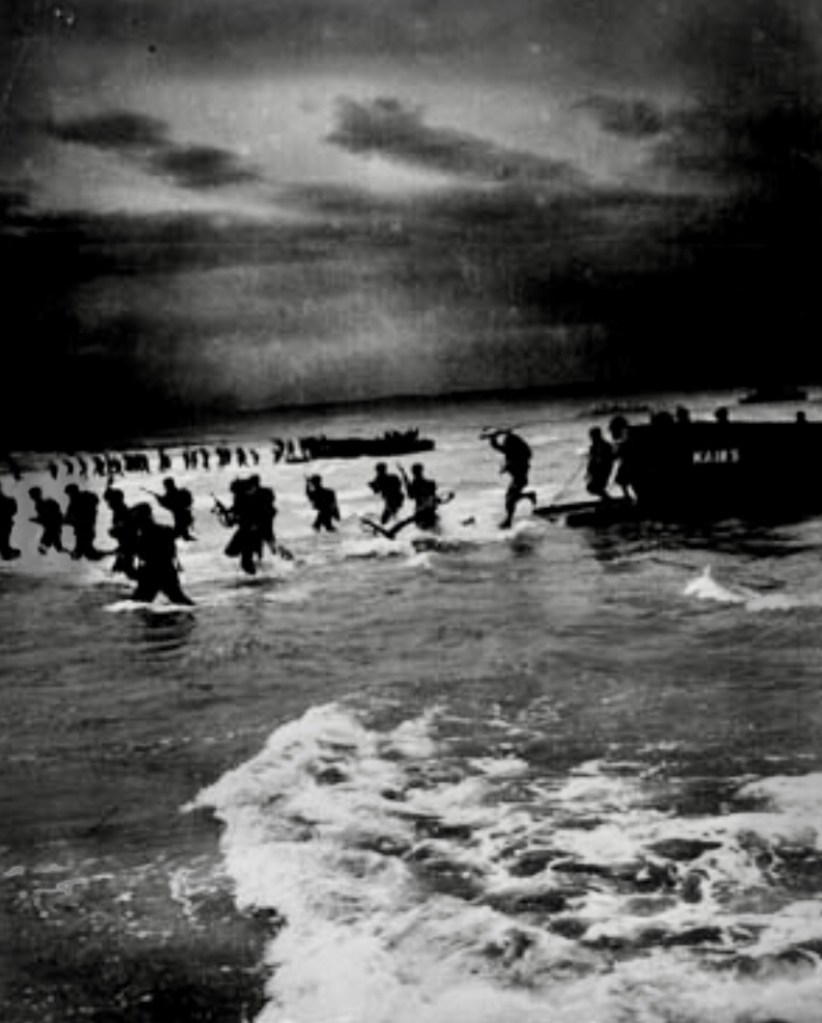
The 60th Landing at Port Lyautey on November 8th, 1942

What followed was almost three days of intense fighting. It was the first combat for the vast majority of those involved on the American side. Reading the after-action reports and historical perspectives of the battle, the word “chaos” is used frequently to describe those days – the ships were 90 minutes late arriving at the drop off points for the 60th; a radio broadcast was made at the time the attack was suppose to take place, asking the French to lay down their arms. Because of the delay in deploying the troops, all the broadcast did was warn the French of the impending attack; the 60th was dropped off in the wrong spot and landed 1 1/2 miles south of their assigned landing zone; the seas turned rough and landing craft foundered or capsized; and, tanks weren’t on the ground until the very end of the first day, so the US Infantry had little to counter the French tanks on the initial day of combat.

Brigadier General Lucian Truscott, the Commander of the Northern part of the Task Force under Patton (including the 60th) that landed at Port Lyautey had this to say: “As far as I could see along the beach there was chaos. Landing craft were beaching in the pounding surf, broaching to the waves, and spilling men and equipment into the water. Men wandered about aimlessly, hopelessly lost, calling to each other and for their units, swearing at each other and at nothing.” Truscott later commanded the 3ID, and after that, VI Corps, and then the 5th Army. He retired as a four star general.

Years ago, I talked to Dad about the invasion. He didn’t talk about any of the “chaos”, although I’d guess if you are a grunt in the middle of an invasion, it all looks either chaotic, or crystal clear; maybe both at the same time. What he remembered was his Company knew they had a job to do. It didn’t occur to him they could or would fail. It simply wasn’t an option. He did talk about how fiercely the French fought the first day, but on the second day, they started taking prisoners, lots of prisoners, and that’s when he knew the battle had flipped. Of course this being dad, he also talked about liberating some wine in a cafe where they captured a number of prisoners…. ;-). I’d always laughed when I heard dad tell this last part, but in fact, it’s documented in historical accounts of the battle. B Company DID capture a cafe with a number of French soldiers inside.

On the third day, they took the Casbah (the fortress on the high ground overlooking the city), then Port Lyautey itself, and the nearby airfield. The fighting was over for now. I never had the sense from dad he experienced any of the butchery that would be a part of the fighting a couple of months later against the Germans in Tunisia and Algieria.

The remains of 84 U.S. soldiers who lost their lives from the 60th during this operation were laid to rest in a newly established military cemetery near the Casbah. 275 Americans were listed as wounded or missing.
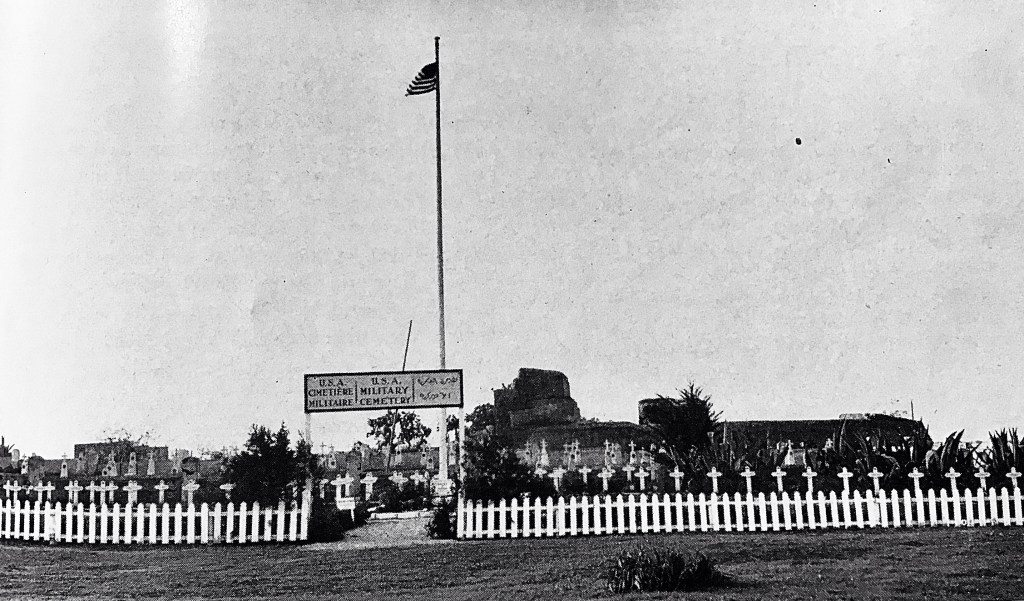
The US Cemetery Near the Casbah

Years after the war, in the 70s and 80s, whenever in Ottawa on leave from my own time in the Army, Cathy and I went out to dinner with mom and dad. If dad was in a good mood (and he was ALWAYS in a good mood), he’d be talking to one of the women in our group, or another woman we happened to meet at The Steak House or some other local restaurant. Bringing out his very best sexy French Charles Boyer voice (hell, dad sounded more like Charles Boyer than Charles Boyer sounded like Charles Boyer) he’d quote Boyer talking with Hedy Lamarr in the great 1938 movie “Algiers”** and say “Come with me to zee Casbahhh…”, inevitably getting laughs and giggles. The thing was, dad had already been to the Casbah in 1942 with the 60th. There was no Heddy Lamarr, but there were a helluva lot of Frenchmen trying to kill him. Maybe he was just quoting from the movie for laughs, but later in life, I wondered if it was his own private joke with himself, remembering 19 year old Willie I Hall kicking ass in French Morocco in the Fall of ‘42.
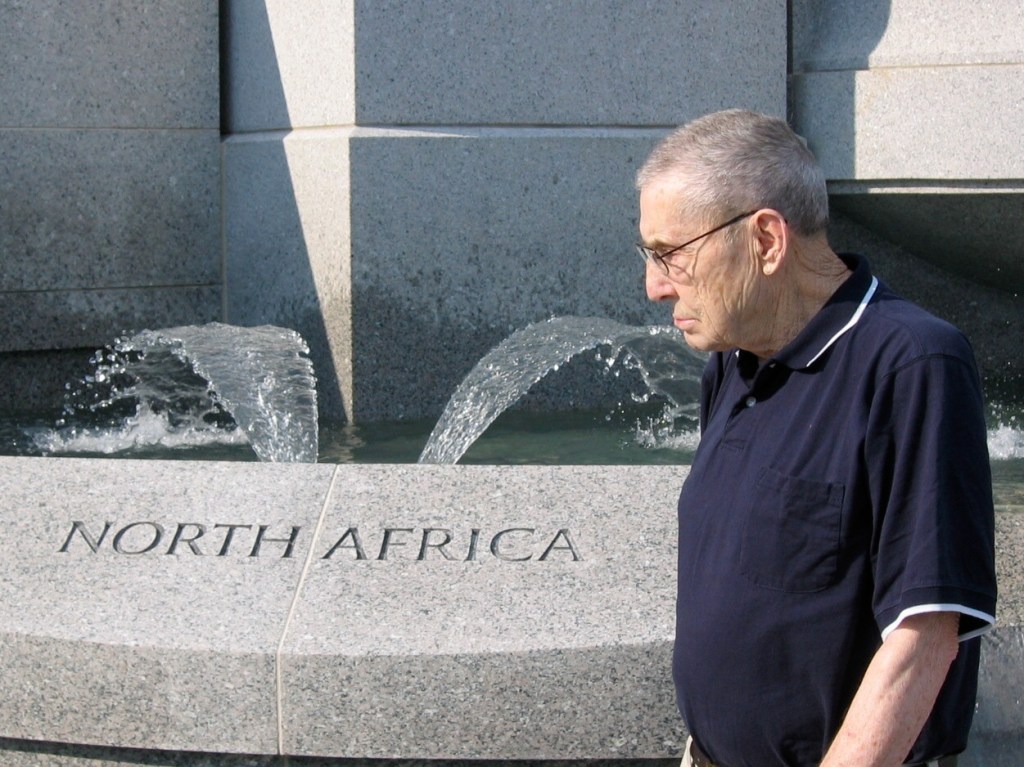
Dad at the WWII Memorial in 2008

Addendum:

• ** The movie “Algiers” came out in 1938 and featured Charles Boyer and Hedy Lamarr. It was an instant hit and many considered it a forerunner to the movie “Casablanca” which came out in 1942. Boyer actually received an Oscar nomination in his role as Pepe Le Moko, a French jewel thief hiding in the Casbah. He falls in love with the mysterious Heddy Lamarr, and is torn between returning to Paris with her, or staying in the Casbah. I recently learned the famous line “Come with me to the Casbah…” was in the trailer for the film, but actually cut from the movie itself. Boyer’s role as Pepe Le Moko in Algiers was already famous, when animator Chuck Jones based the character of Pepe’ Le Pew the romantic skunk, on Boyer.
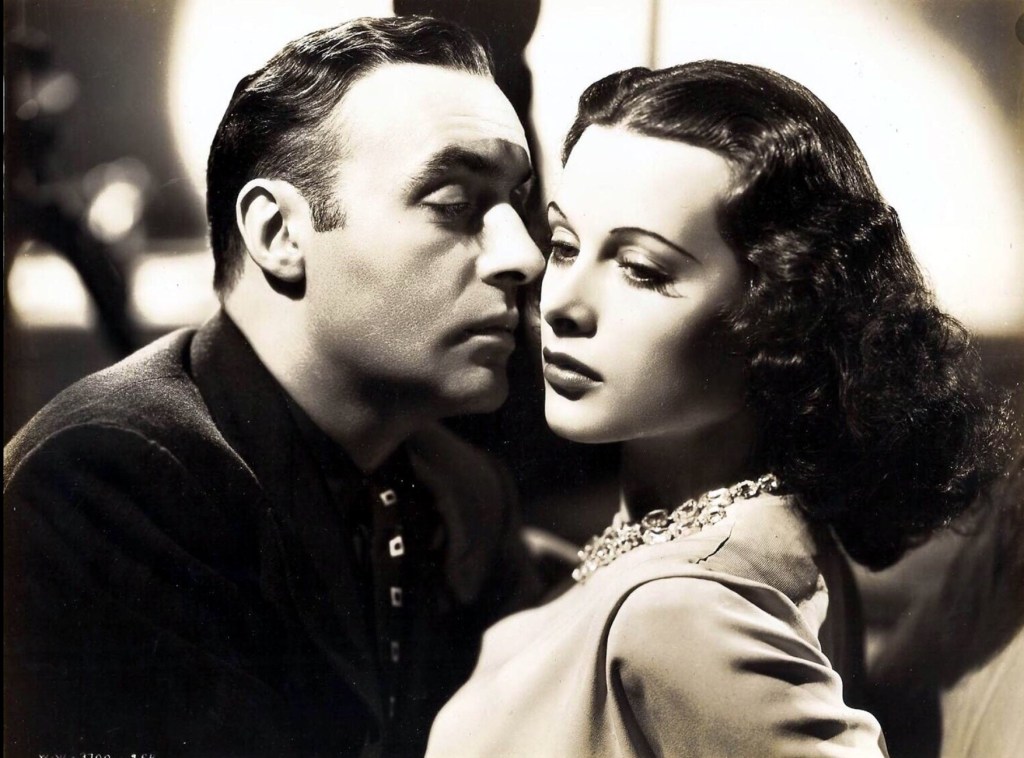
Boyer and Lamarr – “Come with me to zeee Casbahhh…“

• You can read a fascinating blow-by-blow description of the battle for Port Lyautey at: https://warfarehistorynetwork.com/2019/01/12/a-hit-or-miss-affair/ – many of the facts I’ve presented in this blog come from that article, and from “Eight Stars to Victory”, a history of the Ninth US Infantry Division published in 1948. Photos of the map, the cemetery and the beach landing come from both sources as well.

Here are two blogs I previously wrote about dad’s last visit home in ‘42 and dad’s last weekend pass before the invasion.

• In Aug 1942, Dad had A last visit home before the invasion. This tells some of that story. https://mnhallblog.wordpress.com/2015/11/10/veterans-day-a-blue-star-a-flag-and-a-letter/

• In late September or early Oct 1942, dad had his last Weekend Pass before shipping out. This blog recounts some of that last wild weekend. https://mnhallblog.wordpress.com/2017/12/04/the-%EF%BB%BFlast-big-weekend-before-the-invasion/
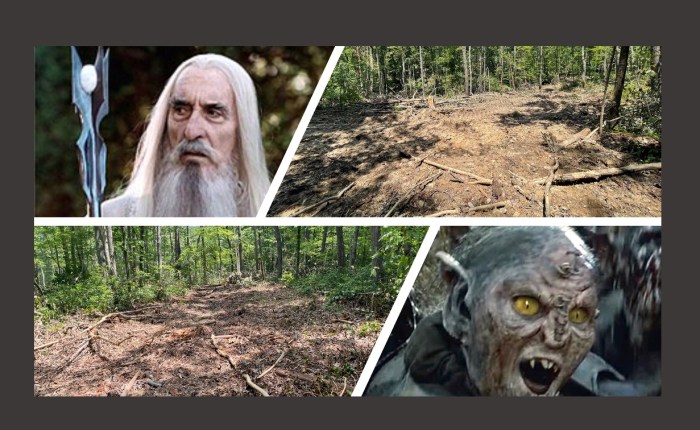
Saruman’s Orcs and the Woods Next Door

Saruman’s Orcs and the Woods Next Door

It would appear Saruman’s Orcs have moved into the woods across the street from us. The only apparent difference is they are using chainsaws and bulldozers to take down trees, instead of the axes the Orcs used in the book and movie “The Lord of the Rings”.*

Cath and I have lived on our small farm in rural Fauquier County for the past 22 years. While only 20 acres, it’s our slice of heaven. Around us, most homes sit on 5-50 acre lots. It’s been that way for the entire time we’ve lived here. Across the street from our driveway, there’s a piece of land that is somewhere between 100-150 acres. It’s virtually all woods. It’s used by hunters in the fall and early winter. The rest of the time, it just sits there looking pretty.

When we first moved in, Cathy predicted we would have 20 years before development affected us. We are lucky we live in Fauquier County where the zoning laws are quite strict. Several decades ago, the decision was made to preserve Fauquier as a rural county, rather than going the way of development seen in Prince William, or eastern Loudoun County. Real “development” can only come near one of the existing towns and can’t just spring up in the woods. All of the rest of the property in the county has already been zoned for how many houses it can have on it, and so, as an example, we are not able to subdivide our 20 acre property. One of our friends has 50 acres, but can’t subdivide. Many properties, even as large as 100 acres, are only allowed to build two additional homes on the property (these “cut outs” were put in place decades ago, so the owner could have a couple of places his kids could build on).

The woods across the street from us were owned by a couple who lived about 20 miles away in Upperville. When the husband died, the wife still kept the property. A few years ago, she too passed away. There was a for sale sign on the property for a year or so, and we thought perhaps someone would buy the place to create an “estate”, or if lucky, maybe they would leave it as it was. The sign eventually disappeared.

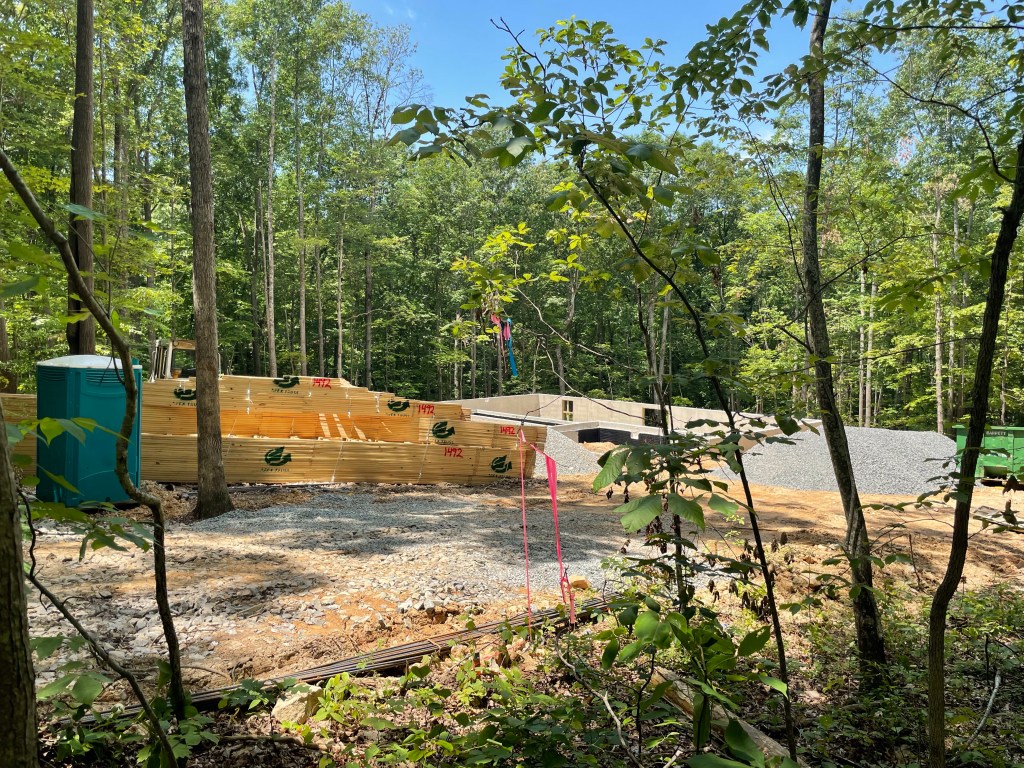
Now we know. The property was originally zoned to allow ten houses and the folks who bought the property are building those ten houses. A few on 2 acres, a few on 5-10 acres, and a couple on 20+ acre lots. The foundation is laid for the first of those houses, on one of the smaller lots.

The First of Ten New Homes Coming to the Woods

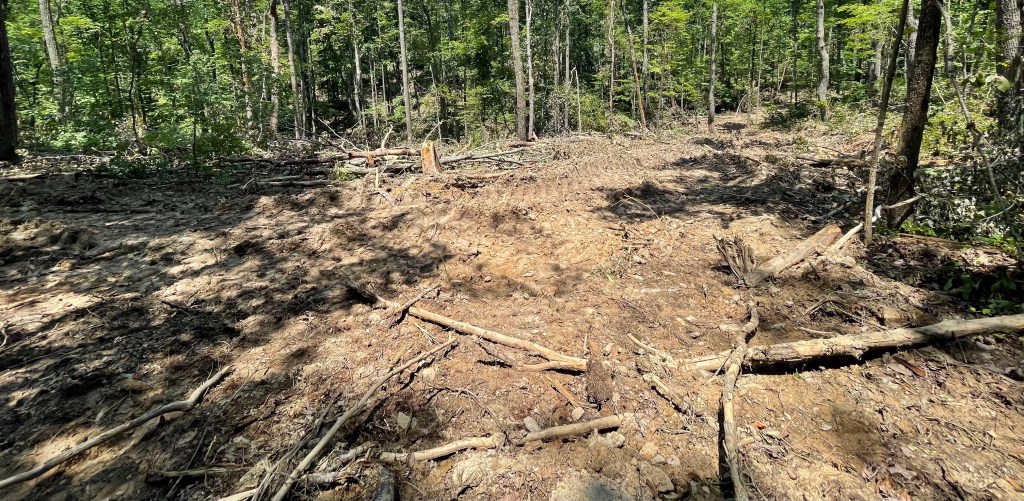
It looks like they aren’t clear cutting the woods, which is something we were afraid would happen. Still, they are chopping down the trees to build the houses and to put in a couple of roads. You can hear the saws and bulldozers all day long. They are busy little orcs. At least they are leaving a screen of trees along our road to mask the eventual houses.

Here’s a Road and Potential House Site. At Least no Clear Cutting is Taking Place.

Based on what is happening in other parts of the county, the assumption is many of the families moving in will be “City People”. They are in for a few surprises. Internet service is not great out here, and no where near what most people expect in towns and cities. Fiber optic cabling doesn’t exist in rural areas. Winters are … interesting. Will the newbies come with four wheel drive vehicles, or will it take them a year or two to learn that lesson? The property itself is hilly, and they may have trouble getting out of their little subdivision on a snowy day, not to mention traversing local roads to town before the plow comes through (and sometimes, even after the plow has gone through).

With the power outages we sometimes experience due to winter storms or high winds, I wonder how long it will take them to consider installing a generator. Since we are in the country and on a well, no power means no water.

Hopefully, they quickly learn composting isn’t a particularly good idea. Our local bear population loves nothing better than feasting on partially composted food, in between tearing down bird feeders. Also, there are the occasional guns going off from hunters, or neighbors just trying to squeeze in a bit of target practice.

They are destined to freak out when carpenter bees start munching on their houses or snakes appear, or the lady bugs invade their homes. And of course, they are in for the treat of stink bugs. They are everywhere and crawl in between the lining of curtains and anywhere else they can find to hide in and stay warm in the winter. When spring arrives, they are quite active in looking for ways to leave the house. If you step on them, or in any way disturb them, they emit the most horrible smell.

Cathy and I have never been NIMBY people (Not in my back yard), and knew this day was inevitable. Still, it’s a bit sad to watch it happen. I’m sure when all is said and done, we will welcome the new folk to the neighborhood. Secretly, we may chuckle a bit and can’t wait for them to experience the entirety of country living. Let’s hope they figure out how to exist in the country, respect this beautiful place, and not try and change everything to some version of city living.

We expect after they move in, the new folk will visit one of our local nurseries to buy some Mountain Laurel, Holly, Dogwoods or Redbuds to plant and beautify their new properties. It will be nice. They will replace the Mountain Laurel, Holly, Dogwoods and Redbuds recently cut down by the Orcs.

Addendum:

* If by chance you are not familiar with “The Lord of the Rings”, Orcs are evil creatures. In the second book of the trilogy, “The Two Towers”, we learn that at the behest of the wizard Saruman, Orcs are chopping down trees in an old forest to feed the fires of a furnace.

– Thanks to my wife Cathy for her help on this blog, particularly on the back half.

An Accidental Night in Chicago

An Accidental Night in Chicago

The night wasn’t supposed to happen. As a matter of fact, in today’s post 9-11 world, it couldn’t happen. They never would have made it through security. But in 1991? Yea, my buddies Howard and June sprung me from O’Hare Airport during a layover, and we had an unexpected night in Chicago.

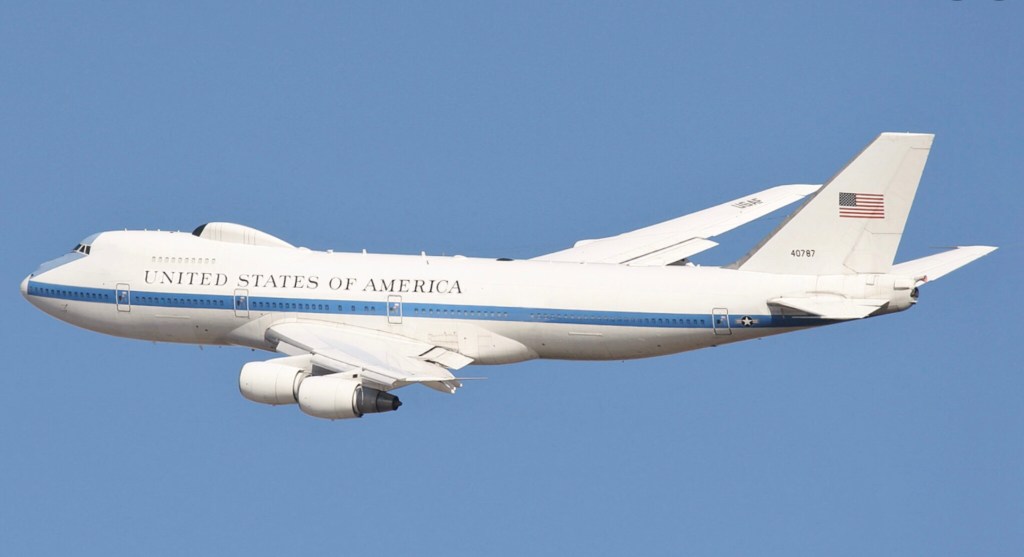
It was July 2nd, 1991 and I’d been in Omaha, Nebraska for a week. We were running communications tests on the President’s “other plane” – the National Emergency Airborne Command Post (NEACP – pronounced Kneecap). NEACP is the plane the president uses in the event of a nuclear attack. The tests went well and ended quicker than expected. As a result, I was racing to the airport to try and catch a flight home that evening, rather than my scheduled flight the next day.

NEACP – The President’s Other Plane

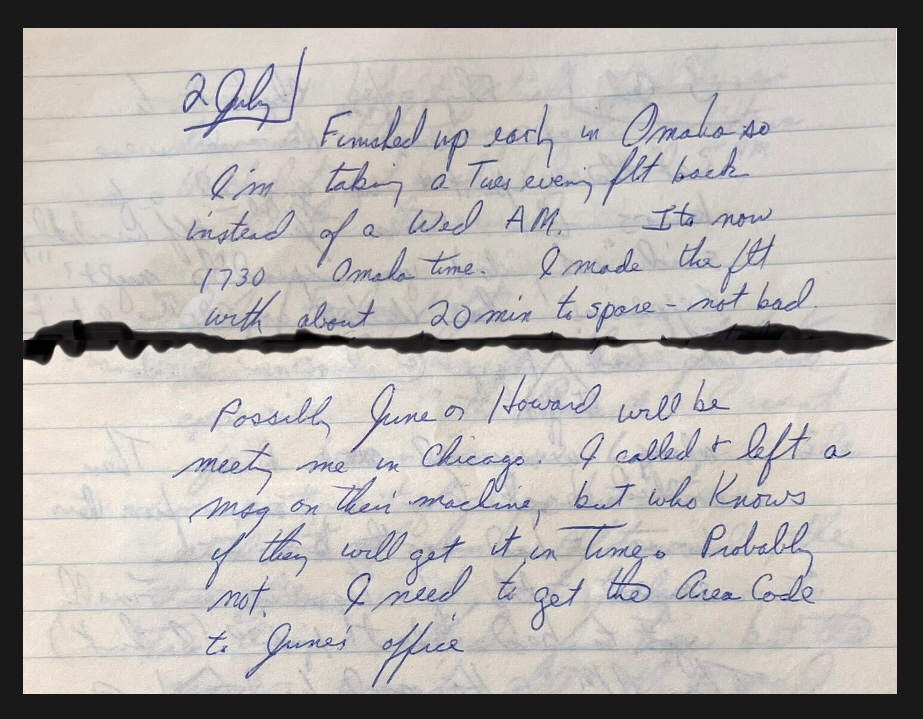
I made the airport with twenty minutes to spare and was able to get a ticket. At the time, there were no direct flights from DC to Omaha and I would need to connect through Chicago with a two hour layover. At the airport, I found a pay phone (don’t forget this was the pre-cellphone age) and called my buddies June and Howard in Chicago to see if they could meet me at the airport for a beer (remember pre 9-11 times at the airport? Anyone could walk out to the plane gates, and in fact, many people did. Usually not for a beer, but to meet loved ones when their plane arrived). Neither Howard or June were home so I left them a message on their answering machine. I figured the odds of them receiving the message AND making it to the airport on time were between slim and none. I ran to the plane and boarded.

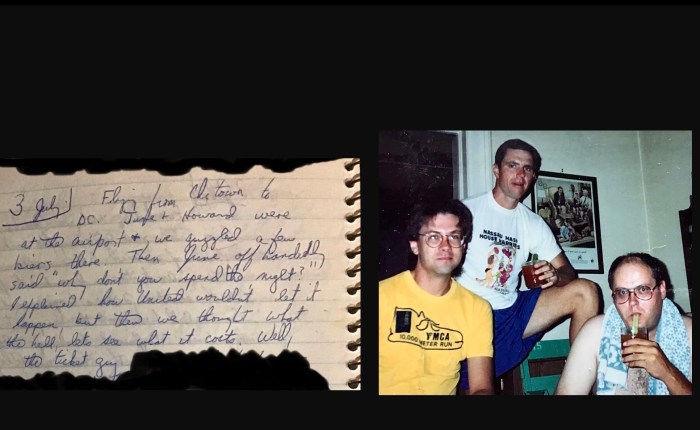
An Entry From my Journal About the Weekend in Question*

An hour and a half later we landed in Chicago and I left the plane. I’ll be damned – both June and Howard were there at the gate to meet me! Handshakes all around and we found a bar near the gate I would fly out of two hours later.

We drank a couple of beers and June offhandedly said “Why don’t you spend the night?” I told him United wouldn’t let it happen, and how I was lucky to be on this flight at all. Then we thought, what the hell, let’s give it a shot. I walked over to the ticket agent at the gate and talked with him about changing my connecting flight to the next day. We went back and forth about it, but he gave me about fifteen reasons why he couldn’t do it. I walked back to the bar, which was within site of the agent and reported to the boys that it was no dice.

The Chances of Spending the Night in Chicago Didn’t Look Good*

Howard wasn’t going to take no for an answer. He set his beer down and marched over to the agent. He proceeded to berate the agent and said something like this to him – “What kind of American are you? Here’s my friend, a soldier doing his duty protecting our country while here you are, sitting on your ass and not doing anything to help out. My friend puts his life on the line every day – don’t you think he’s worth that small gesture?” (Or words to that effect. Howard was pretty animated – as he related to me recently, he was performing on stage regularly then including at the Improv Olympic in Chicago. That gave him some of the confidence to pull off the role of “irate friend”). They talked a bit more and Howard came back to the table with a smile – It was on! The agent gave me a return ticket for the next day and we left O’Hare.

We were starving by now, and headed to a new Giordano’s Pizzaria. At the time, Giordano’s had only two or three locations in Chicago, and no where else. We ordered a couple of stuffed pizzas along with a few more beers. The night progressed. From there, it was on to another bar, and then to a bar across the street from their apartment for a final beer and a tequila (or two). We finally made it to bed around 1:30AM.

The next morning, I was moving a bit slowly. When I woke up, Howard was already gone, as he had to be at work early. June and I cleaned up and went out for a quick breakfast, before he drove me back to the airport. We arrived at 10:15, just in time to catch my 11:10 flight – it was my original flight, before I rescheduled everything the day before… ;-).

It was an unexpected night in Chicago with my oldest friends. What could possibly be better?

Howard, Me and June, Two Months Later in September of 1991. I was Back in Illinois for a Couple More Days. Bloodies were Evidently on the Menu this Particular Day.

Addendum:

⁃ * I’ve kept a journal for decades. I’ve rarely used it for any of my blogs, because I’m usually sporadic about what I write. When I was younger, it seems I wrote in it most often while traveling. The “writing” pictures you see in this blog are extracts from the journal. I’ve told this particular story several times before, but never looked in my journal to see if I recorded it. I was looking for something else, and came across these entries. My memory was pretty close to what I had written, although I didn’t specifically remember going to Giordano’s, drinking tequila that night, or the breakfast the next day. Those recollections are straight from the journal.

⁃ Thanks to June (Tim Stouffer) and Howard (Kim Johnson) for contributing to this blog. Thanks even more for being lifelong friends.

⁃ If you want to learn more about the NEACP, you can do so here: https://en.m.wikipedia.org/wiki/Boeing_E-4 .

⁃ The job I had in the Army at the time was pretty interesting, and involved Nuclear Command and Control (C2) systems, among other things. A week after this trip on NEACP, I went to Norfolk for a week and was on the USS Nassau, a Tarawa Class Amphibious Assault ship. We were again testing Nuclear C2 systems.

We Knew we were at War

We Knew we were at War

Bob Bishop is a friend of mine and shared this story with me from his time aboard a Ballistic Missile Submarine. It’s a compelling story from the Cold War and I hope you will give it a read. The movie, “The Hunt for Red October” is a bit of child’s play, compared to what these guys did on a daily basis. My only contribution here is a bit of editing.

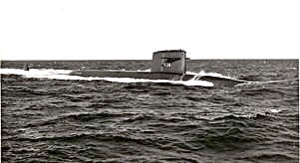
My first real duty station was the USS Nathanael Greene (SSBN-636), Blue Crew*. She had just completed her fourth patrol (two Blue, two Gold) when I reported aboard in April 1966 in Charleston, South Carolina. She was about as seasoned as I was and commissioned the same year I graduated from the Academy. We were in the middle of the Cold War, and Russia was building submarines as fast as we were. Vietnam was still just a little country somewhere over there, on the other side of the Pacific.

Bob, at Graduation from The Naval Academy in 1964

Every day on patrol on a Fleet Ballistic Missile submarine (FBM) is, in many ways, just like the day before or the day after.  You have watches to stand, duties to perform, qualifications to train for and, at random times, all-hands drills (such as, “FIRE IN THE TORPEDO ROOM,” or “FLOODING IN THE MISSILE COMPARTMENT”) to wake you if you are off-watch or to interrupt the routine of your duties if you are on watch. 

While on patrol, all FBMs, like the Nathanael Greene, must remain in constant radio contact to receive any and all incoming traffic all day, every day.  However, a FBM only broke radio silence to send a message in a dire emergency, as sending a message would risk giving away the ship’s position to any nearby enemy ship or aircraft. 

Because any change in the volume of message traffic from the sender (i.e., the Pentagon) could have some intelligence value, the radio schedule is purposefully full 24 hours a day.  

The most important messages are the operational orders — to change a submarine’s patrol area and thus its missile target package. The Navy filled the remaining time with national news, sports scores and stories, all of it in coded 5-character groups. Every ship received the same radio broadcast, but you only really paid attention to messages sent for your ship. All of the news, sports scores, etc. were printed out and attached to a clipboard in the Radio Shack for anyone to read.

The Navy used the same radio system to conduct simultaneous tests of the combat readiness of all FBMs on patrol through a periodic WSRT (Weapons System Readiness Test). The WSRT begins (and the clock starts counting) with the receipt of a special message which begins, exactly as a real launch message would, with the heading “Top Secret — Cryptographic.” The text that follows, even though still in five-character groupings, is in a code that can only be deciphered through use of a special code book.

When such a message was received, the radioman immediately alerts the Captain (CO) and Executive Officer (XO) a potential Launch message has been received, and the Officer of the Deck instantly sounds “BATTLE STATIONS – MISSILE.” Every member of the crew has an assigned battle station, in addition to their regular job, and moves there at a dead run.

Meanwhile, the Communications Officer hustles to the Radio Shack, as does another officer designated at the start of the patrol by the CO to fulfill the required Two-Man rule. The Communications Officer opens the first safe, and the other officer opens the inner safe where the code book is kept. They extract the code book and break the text into English. They then rush to the Control Room to give the CO the plain-text message. Based on the message, the CO unlocks a cabinet in the overhead just forward of the #1 periscope shear, and pulls out the appropriate firing key – black if it is a drill and red if it is Launch. It’s a little cabinet, maybe 3 inches high by 14 inches wide and 8 inches deep, but within it is the key to launch 16 ICBMs towards their targets thousands of miles away.

WSRTs occurred about every eight to ten days. The time and day chosen were “random.” The experience of the “Old Salts” suggested the frequency was selected by somebody in the Pentagon seemingly based on a roll of the dice – it was never sooner than 2 days after the previous drill, and always within 12 days. It also never occurred on a Sunday morning (i.e., between Saturday midnight and Sunday noon) – to give the crew a break from the chaotic 24/7 pace of shipboard life and to allow an opportunity for anyone who wanted to worship (as a result, Jewish services were also held on Sunday mornings).

The USS Nathanael Greene (SSBN-636) at Sea

Fast forward two years…

The world had become a much more dangerous place.  The summer of 1968 was a time of great turmoil, both nationally and internationally.  Vietnam was raging.  The USSR invaded Czechoslovakia and crushed the Prague uprising.  North Korea had captured the USS Pueblo.  France was in turmoil – as student protests turned into riots, workers joined them striking across the nation and Charles de Gaulle dissolved the National Assembly.  At home, LBJ decided not to run, due to the Vietnam War.  Rev. Martin Luther King, Jr., was assassinated in April, resulting in race riots across the country.  Whole blocks of cities were ablaze.  Bobby Kennedy’s assassination in June added still another dimension to the generally bleak outlook.  It was a time of high unemployment in the U.S, strained race relations, unprecedented heat waves, and scattered power outages.  The tone and tenor of the news we received in those coded messages was alarming.

You couldn’t help but be affected by thinking about where your loved ones were, how they were, and what was going on around them.  I had married a scant 3 months before, between patrols, and Suzan was in DC.  The turmoil there was frequently mentioned in the news reports, both as local news and as a setting for reporting on what the Federal government was doing to respond.  

I was a Lieutenant now, in charge of the largest Division in the Engineering Department, and on my fifth patrol. I was the only junior officer qualified both to operate the ship and to run the nuclear plant (the only other officers qualified both “forward” and “aft” were the XO and the Engineer). As a result, instead of a typical watch rotation of one in three (six hours on and twelve hours off), I was standing a watch aft as Engineering Officer of Watch, in charge of the nuclear plant et al., then a watch forward as Officer of the Deck, in charge of driving the ship (so my schedule was twelve hours on and six hours off, repeated every 18 hours).

It was late on a Saturday afternoon, and we had just finished a WSRT. My Battle Station was, with Chief Blackmon, to oversee the operation of the Torpedo Fire Control System, which was on the starboard side of the Control Room.  Once we launched our sixteen ICBMs, we would immediately leave the launch area and become an attack submarine, to seek out, track and sink any hostile ships.  During Battle Stations, my boss, Bill Fernow, the Engineer, was aft, watching over the nuclear plant and other engineering systems.  

As we stood down from Battle Stations, there was a palpable tension in the ship because of what seemed to be the deteriorating situation in the U.S. and the world. More than one of us was thinking “Someday this could be real.”

I was dog-tired, but the WSRT had occurred while I was Engineering Officer of the Watch, so after we secured from Battle Stations, I went aft to relieve my boss. He looked at me, and then at his watch, looked up and smiled and said, “I’ll take it from here. You look like you could use some sack time.”

I didn’t argue.  I went forward to Officer’s Quarters, and leapt into my rack.  Forty minutes later, I was woken for my next watch, the 1800 to 2400 shift.  

After a quick bite in the Wardroom, I went up to the Control Room to assume the Conn.  

I was relieved at 11:45 p.m. after a thankfully routine watch, sat down in the Wardroom for a quick sandwich, and was asleep within seconds of hitting my rack.  Exhaustion does that to you.  (When the patrol was over, I found I had logged just a bit over 5 hours of sleep per 24-hour period – for 72 days.)

At 3:42 a.m., the klaxon sounded and the cry “BATTLE STATIONS – MISSILE” came over the 1MC. The advantage of being so tired was that you wore your jumpsuit to bed so you didn’t have to waste precious seconds getting your clothes off, or on. I was at my station at the Fire Control panel in the Control Room within 20 seconds, probably the last 10 seconds of which I became cognizant of the situation we were going into.

The last WSRT was just hours ago and never – never – had there been another WSRT so close to the previous one. And it was early morning on a Sunday.

Battle Stations is always a time of pressure – to do your job as well as possible and to hope your systems performed as designed. This time, however, there was a unique quiet. Everyone knew this was the real thing.

There was no emotion, only a deathly quiet. Given my Battle Station location in the Control Room, I was standing about six feet from the XO, and the CO was about eight feet to my left, standing on the raised platform of the Conn. I could hear each of the stations reporting “Battle Stations manned and ready” to the XO’s sound-powered phone-talker. When the last of the stations had reported in, I watched the XO turn to the CO and report formally “Battle Stations are manned, Captain.”

Although everyone was tightly focused on making sure they did what they were supposed to do exactly right, part of each of our brains was recognizing the inevitability that we would never again see everything we knew and loved. Our families, our country, were surely gone. Our future was the ship, and our sole mission was to launch our missiles, seek the solace of the deep, and then seek revenge.

At that moment, the Communications Officer ran into the Control Room and handed the CO the decoded message.  The CO read the message, took the lanyard from his neck, unlocked the firing key cabinet, and reached in for the firing key.  We were about to launch… And then, he took out the black key, the WSRT drill key, NOT the red firing key.

Among those of us who could see what had just occurred, there was a moment of disbelief, the sure knowledge that you couldn’t believe your eyes.  A double-take, and then the realization it really was a drill after all.  The sense of relief was palpable, almost as if everyone, at the same time, slowly exhaled the breath they had been holding since Battle Stations had been called what seemed like hours ago, but was in reality, only a few minutes.

We knew we were at war. And then, suddenly, not. Just as there had been no sobbing or other shows of emotion when we each realized we were at war, there were also no cheers or high-fives to find that we weren’t. Instead, there was only a somber reflection that we were, to a man, trained and ready, but fortunately had not been called upon.

Bob Enjoying Life a Couple of Years Ago

Addendum:

– * Submarines have two separate identical crews, called Blue and Gold, which alternate manning the boat. While one crew is deployed, the other is in port for leave, refresher training, and preparation for their next patrol. This maximizes the amount of time the submarine itself is deployed. At the time, a typical deployment was 72 days – the complete cycle, taking over from the other crew, making needed repairs, installing new equipment, and a short sea trial to test everything out, meant nearly 100 days away from home, twice a year.

– Special thanks to my friend Bob Bishop for sharing this story. Bob graduated from the United States Naval Academy in 1964. At the time, Admiral Hyman G. Rickover, the founder of the modern nuclear Navy, personally interviewed and approved or denied every prospective officer being considered for a nuclear ship. The selection rate was not very high.

Young Love

Young Love

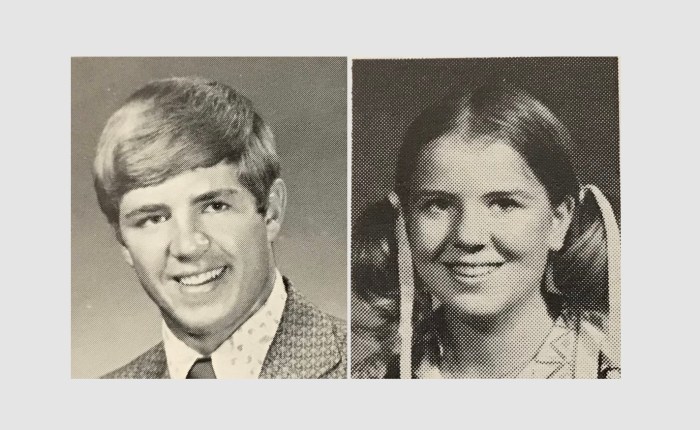
Next week on the 16th of June, Cath and I will celebrate our 43d wedding anniversary. In an interesting twist, the 15th of June is the 49th anniversary of our first date in 1972. Cathy was all of 16 years old, and I was the older man at 17. To tell the whole story though, you need to go a couple months before then, when I turned her down for a Sadie Hawkins dance at our high school.

Every year in the spring, Ottawa Township High School (OTHS) held a Spring Formal which was also a Sadie Hawkins Dance. That is, the girl asks the boy to the event. (Do they still have those? Maybe it doesn’t matter anymore. For that matter, does anyone remember Li’l Abner or Dogpatch, where Sadie Hawkins Day* originated? ). In 1972, I was a junior and Cathy Snow was a sophomore. We knew each other a bit from Student Council. Well, one evening in March, I received a call at home. The young Miss Snow was on the line, and after a bit of small talk, asked me if I would go to the Spring Formal with her. Alas, I had to turn her down, as two days before, I’d been asked by a girl in my class named Gail. The call ended pretty quickly after that.

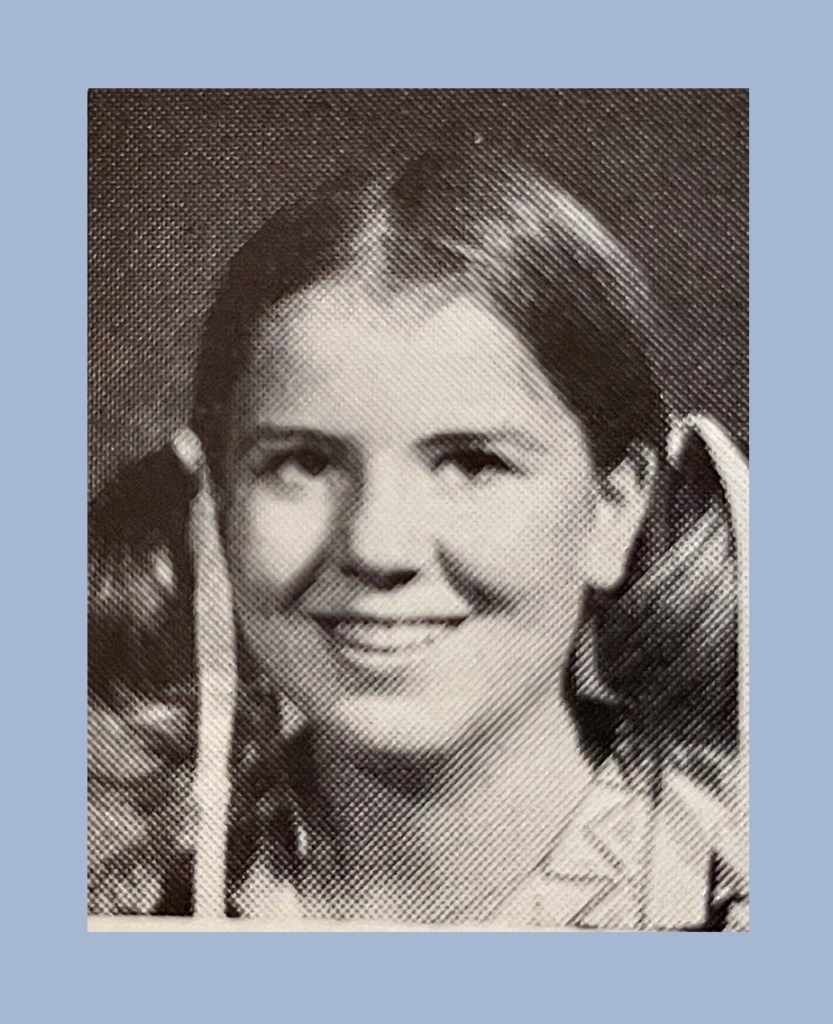
Cathy Snow at 16…

Fast forward two months. My friend Howard and I were at Pitsticks, a local swimming place with a beach, and ran into Cathy and our mutual friend, Lori Lyle. We made small talk back and forth and at some point Cathy asked if I wanted to swim out to the diving platform and off we went. Of course I had to exhibit my prowess as a swimmer and did a one and a half off the high dive. (I wasn’t going to waste the opportunity to try and impress a prospective date.) Cathy played her part and said to me “Great Dive! You looked like a knife going through soft butter when you entered the water!” My strategy appeared to be working… ;-). In later conversations, she mentioned she and Lori might be out and about riding their bikes that night. I answered back that I’d thought about going for a bike ride that night as well, and maybe I’d run into them. With that, we said our goodbyes and went back to our respective spots on the beach.

That evening after dinner, I grabbed my bike and started riding around the south side of town looking for Cathy and Lori, but didn’t see them anywhere. Eventually I stopped at a store and went inside to buy a pop. While inside, Cathy and Lori rode by, saw my bike outside the store, stopped and came inside.

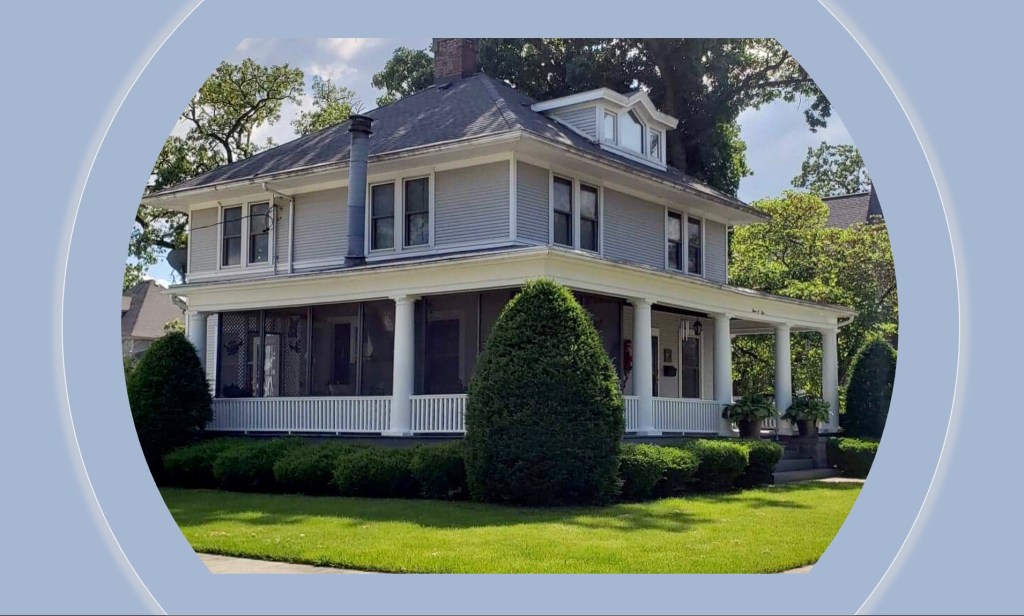
Everyone seemed pretty happy to connect. We talked a bit and then went back outside and the three of us rode around town together. Eventually, we ended up back at Cathy’s house at 305 Houston Street and had some ice tea on the back porch.

305 Houston Street. The back porch is on the left side of the house.

Unbeknownst to me, Cath and Lori weren’t sure which of the two of them I might be interested in. Cath had asked me to the dance, however, Lori and I had known each other from church for quite a while. They had a plan. After a bit of time, Lori would say she had to head home. They figured if I said I had to leave as well and rode off with Lori, I was interested in her. If I stayed there when she left, I was interested in Cathy.

Dusk arrived and Lori said she was going to ride home. I wished her a good night and stayed at Cathy’s… 😉

As it grew dark, we talked, and then talked some more. Finally, around 1030PM or so, I said I ought to go home. We walked to the steps leading off the porch, and while I was trying to work up the courage to kiss her goodnight, proceeded to talk another half hour or so. Suddenly, about 11PM, her mom, Faye, appeared at the inside door to the porch in a black nightgown and said “Ina Catherine, I think it’s time to come to bed.” Family history reports I was on my bike and riding away before she finished the sentence (in retrospect, we should have found a more private place to say our goodbyes. Her parent’s bedroom was directly above the porch.)

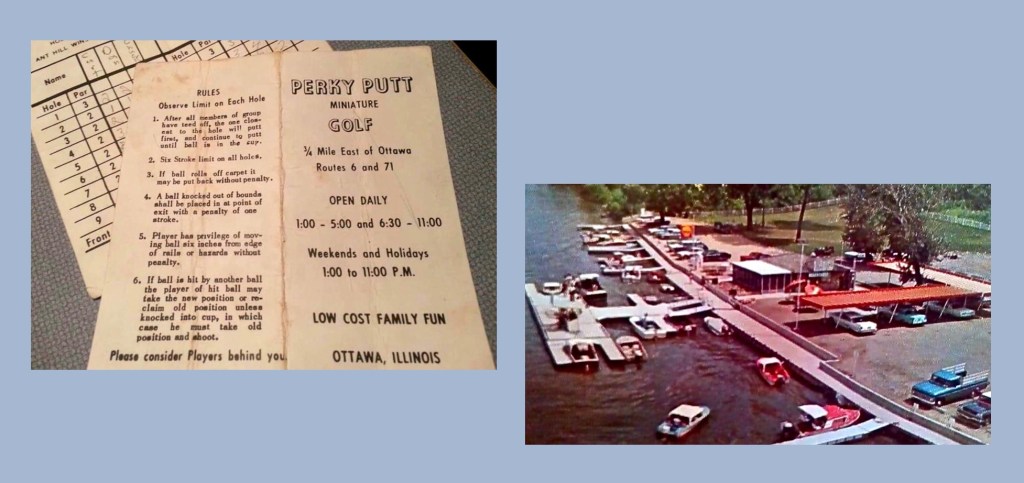
Two nights later, on June 15th, we had our first official date. I picked Cath up with my folk’s car and we went to the Perky Putt golf course (miniature golf) on the north side of town. While I have no clear recollection of the results, Cathy remembers soundly beating me. Afterwards, we went to a small drive-in restaurant on the Illinois River called the Sanicula Marina. We both ordered Black Cows and proceeded to walk along the river. I did kiss her goodnight that evening, but it was on the front porch, not the side porch under her parent’s windows…

Miniature Golf at Perky Putt and Black Cows at Sanicula Marina – it doesn’t get much more romantic… 😉

As they say, the rest is history. We dated all summer, and then into the school year. And the next spring when she asked me to the Sadie Hawkins dance again? I quickly said yes that time around.

Spring Formal (The Sadie Hawkins Dance) in 1973 – I said yes, the second time around.

We have almost five decades together as a couple now, and it’s definitely true – Time flies when you’re having fun.

Addendum:

  • * From Wikipedia – “Sadie Hawkins Day is an American folk event and pseudo-holiday originated by Al Capp’s classic hillbilly comic strip Li’l Abner (1934–1978). This inspired real-world Sadie Hawkins events, the premise of which is that women ask men for a date or dancing. “Sadie Hawkins Day” was introduced in the comic strip on November 15, 1937.”
  • Thanks to my lovely wife, Cathy for her contributions to this blog. In particular, her memories of the day at Pitsticks are more specific than mine, including the comment that my dive “looked like a knife cutting through soft butter”.
  • Thanks to Debi Hillyer for the photo of Sanicula and Curtis Wasilewski for the picture of the Perky Putt score card. A special thanks to Mike Peabody for the photo of Cathy’s old home at 305 Houston Street. In a strange twist of fate, Cathy babysat Mike and his sister Michelle when they were young children living across the street. Mike moved out of Illinois for years and only recently returned to Ottawa. When the home became available, he and his wife bought it.

Visiting Home

Visiting Home

It had been a long time. Too long, to be honest. Life, “stuff” and Covid all managed to intervene. Finally, after a couple of years away, we were making a trip back to Illinois to see family and friends. The feelings of anticipation were palpable.

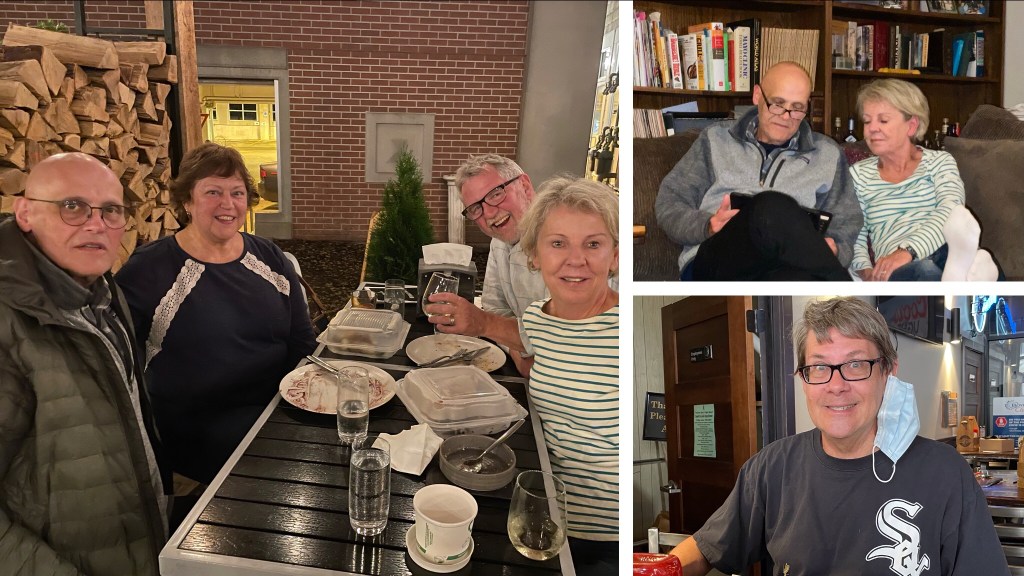
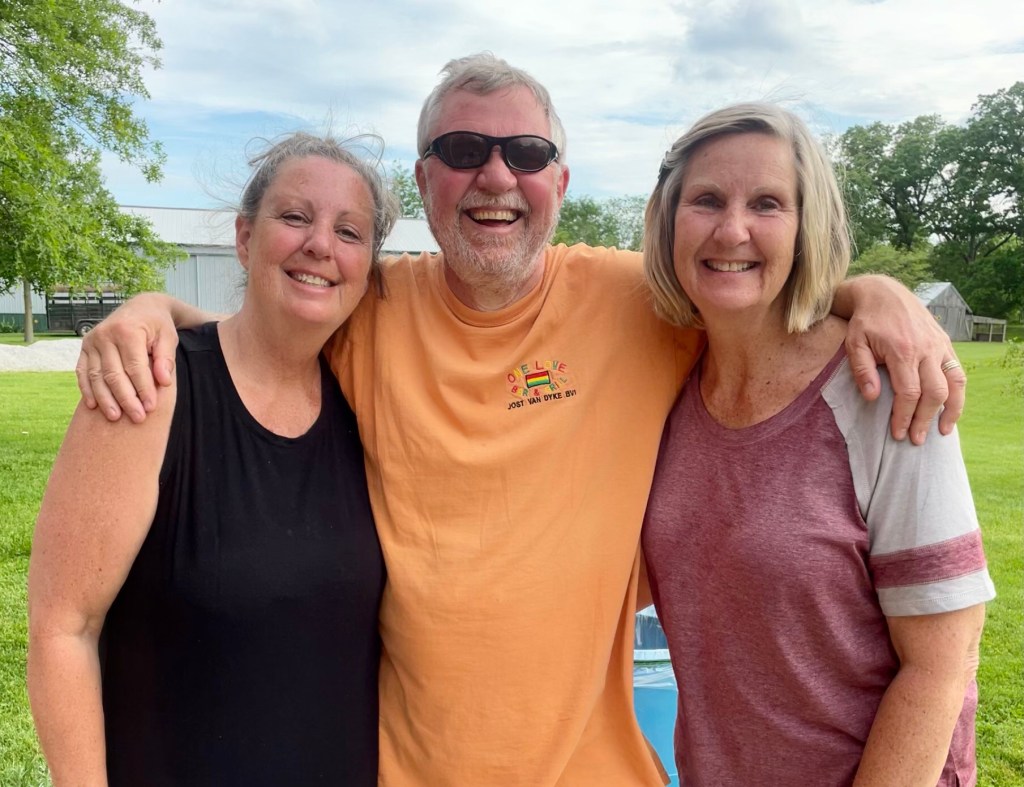
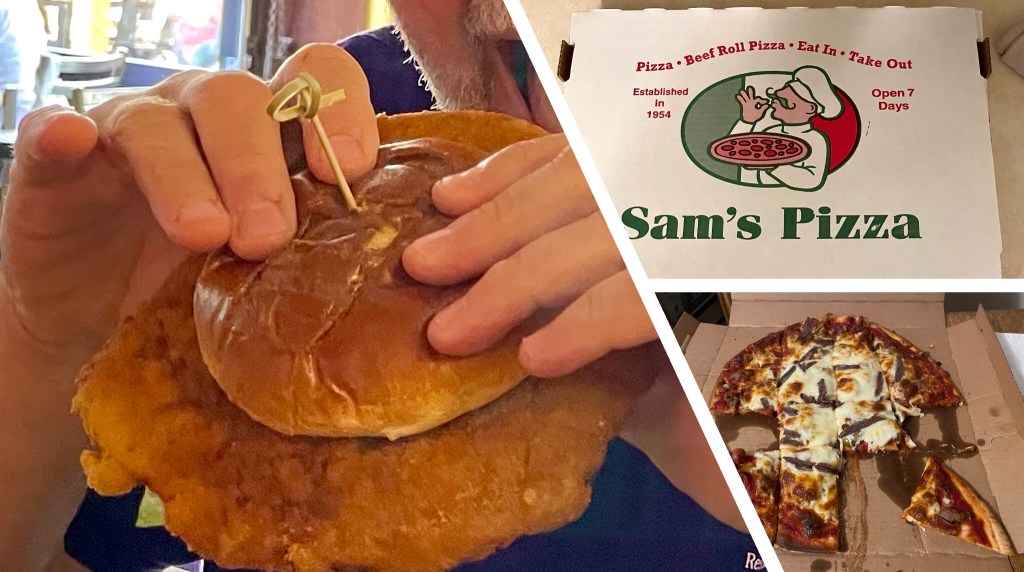
We started with visits to old friends – dinner out one night, ribs on the grill another; laughter and tears; telling old stories and making new memories. From there, it was lunch, beer and tenderloin sandwiches with another old buddy. Finally, it was on to family time and staying with each of my sisters, Tanya and Roberta. Again, more laughter, tears, dinners out, favorite foods* and stories from our youth.

Old Friends…

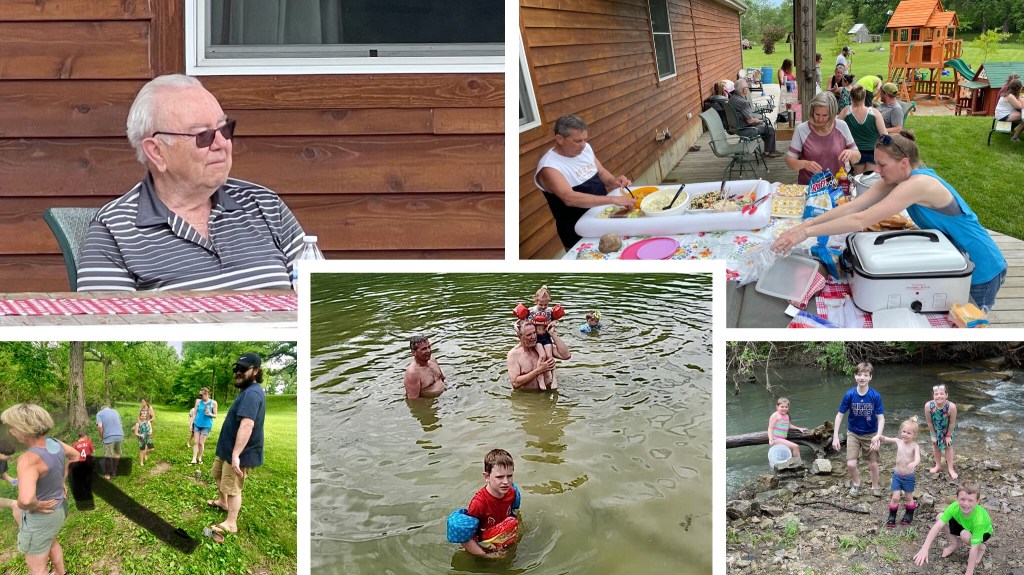
Everything led up to the last day, and a family picnic at my sister Roberta’s home. Counting my Uncle Don, mom’s last surviving brother, we were four generations strong – Uncle Don and his friend Diane; Roberta, Tanya and I and our husbands and wives; our nieces and nephews and their spouses; and of course their children. The oldest person was 80, the youngest about 14 months old. There were perhaps 30 or 35 of us.

As folks arrived, we greeted each other with smiles and hugs. We hadn’t seen some of our nieces and nephews in four years. There were also great nieces and nephews we’d never before met. There was much laughter and love with each new greeting.

It was a great day – we were talking with everyone, telling stories and catching up… There was a huge potluck lunch, and I ate way too much. Our niece Diane is the curator of mom’s potato salad recipe, so I had to have two helpings of that. After lunch, we followed the kids to the creek and had water balloon fights. Then, it was on to the raft at the pond, where swimming, sliding down a slide, jumping in and diving off the raft all ensued. I managed a backflip off the dock, and to laughter from the grand nieces and nephews, only slightly smacked my face on the water. It was a fun and wet afternoon… 😉

Clockwise from upper left: Uncle Don, Laying out the picnic, At the Creek, In the Pond, and Cathy about to be hit with a water balloon…

We all know all good things come to an end, and people eventually loaded their cars back up with kids, coolers and leftovers. Another set of hugs and kisses, and promises to try and see each other more often. Eventually, the only ones left were Berta and her husband Jack, along with Cathy and I. We finished cleaning up and bringing things into the house. We were, perhaps, a bit quieter than we’d been just an hour or two before. Jack had to go to work early in the morning, so we said our goodbyes to him that night.

The next morning, after coffee, Cath and I hugged Roberta goodbye and departed. I’m not one for long goodbyes, so we left a bit earlier than planned. After a quick stop to briefly visit our parent’s graves, it was on to O’Hare Airport and home.

One of the prices Cath and I paid by joining the Army and moving away all those years ago, is we have missed so much of our friends’ and families’ lives back home. That is a part of what makes these trips precious. We didn’t really get to see our nieces and nephew grow up, except for scattered visits, and history is of course repeating with the grand nieces and nephews. This is true for Cathy’s side of the family as well. We love our lives and have no regrets about the choices we’ve made over the past 40 plus years, and yet…

As I’ve become older, I often have a certain sense of bitter-sweetness about these get togethers with friends and family. The time goes by so quickly, the highs of the greetings and the lows of the departures blend together in a strange set of feelings that don’t easily mesh. There are shades of love, along with the happiness and sadness that accompany love. The passage of time in our lives continues to speed up.

I know (and pray) we will have many more wonderful times together in the years ahead. For me, along with the joy, there will also always be a bit of wistfulness.

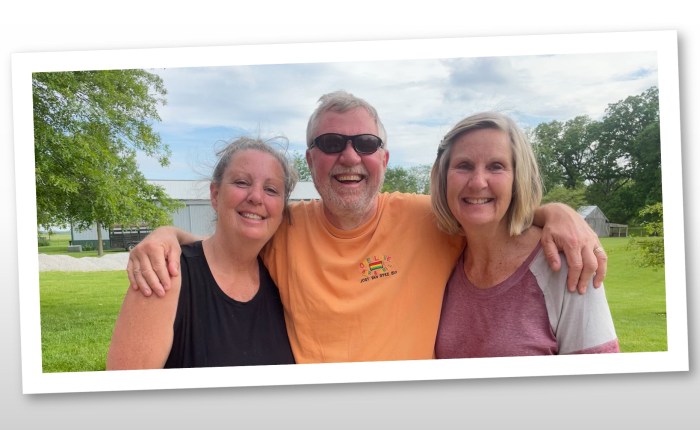
Good times … Tanya, me, and Roberta…

Addendum:

* Favorite foods are always an interesting topic. A couple of the things that remind me of home are Tenderloin sandwiches and Sam’s Pizza. You can’t find the sandwiches outside of Iowa, Indiana or Illinois and they are killer good. And Sam’s? Well, it’s Sam’s. GREAT pizzas there…. both make me (and many others) nostalgic for our home town of Ottawa.

Comfort food for sure….

– Thanks to my niece Diane Schott, along with sisters Roberta Gourley and Tanya McCambridge for supplying several of the photographs included here!

The Stone House in the Woods

The Stone House in the Woods

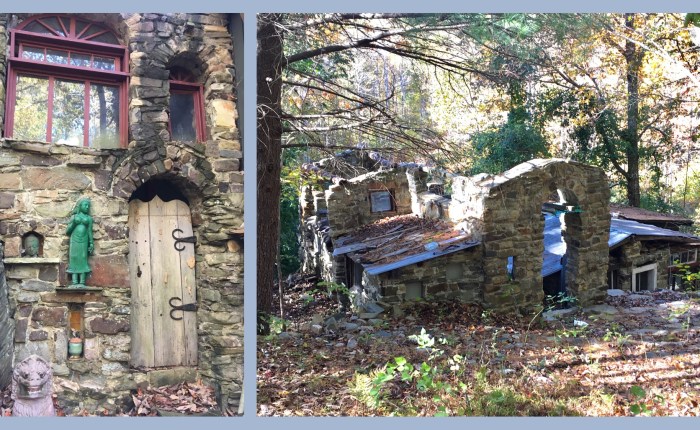
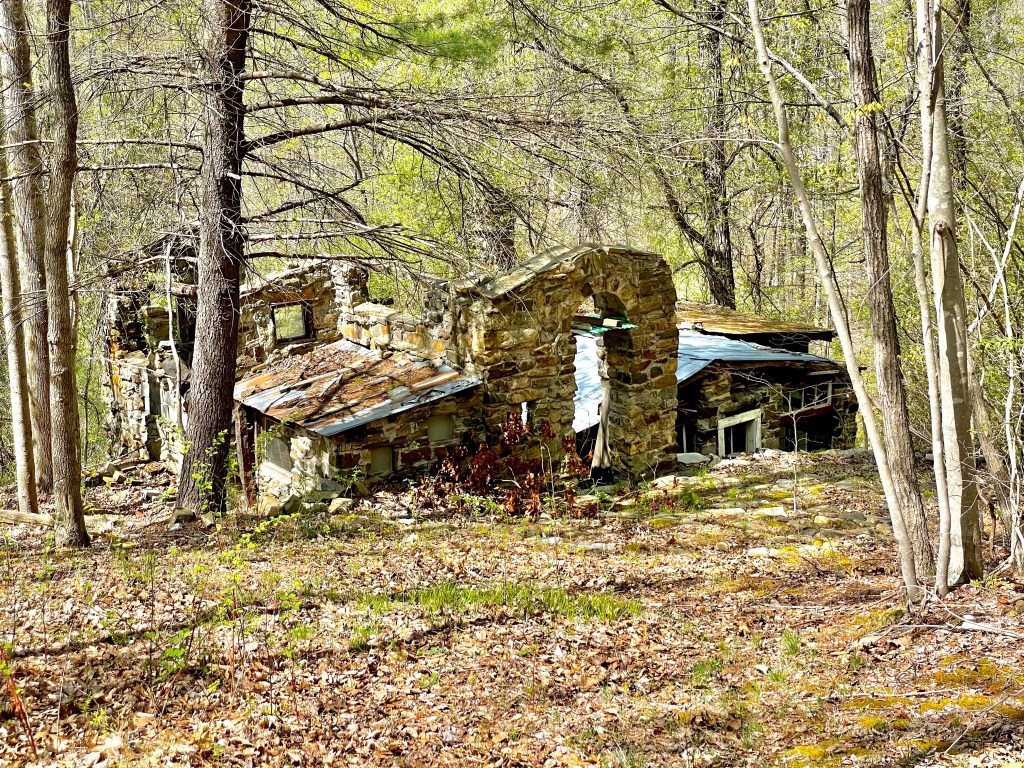
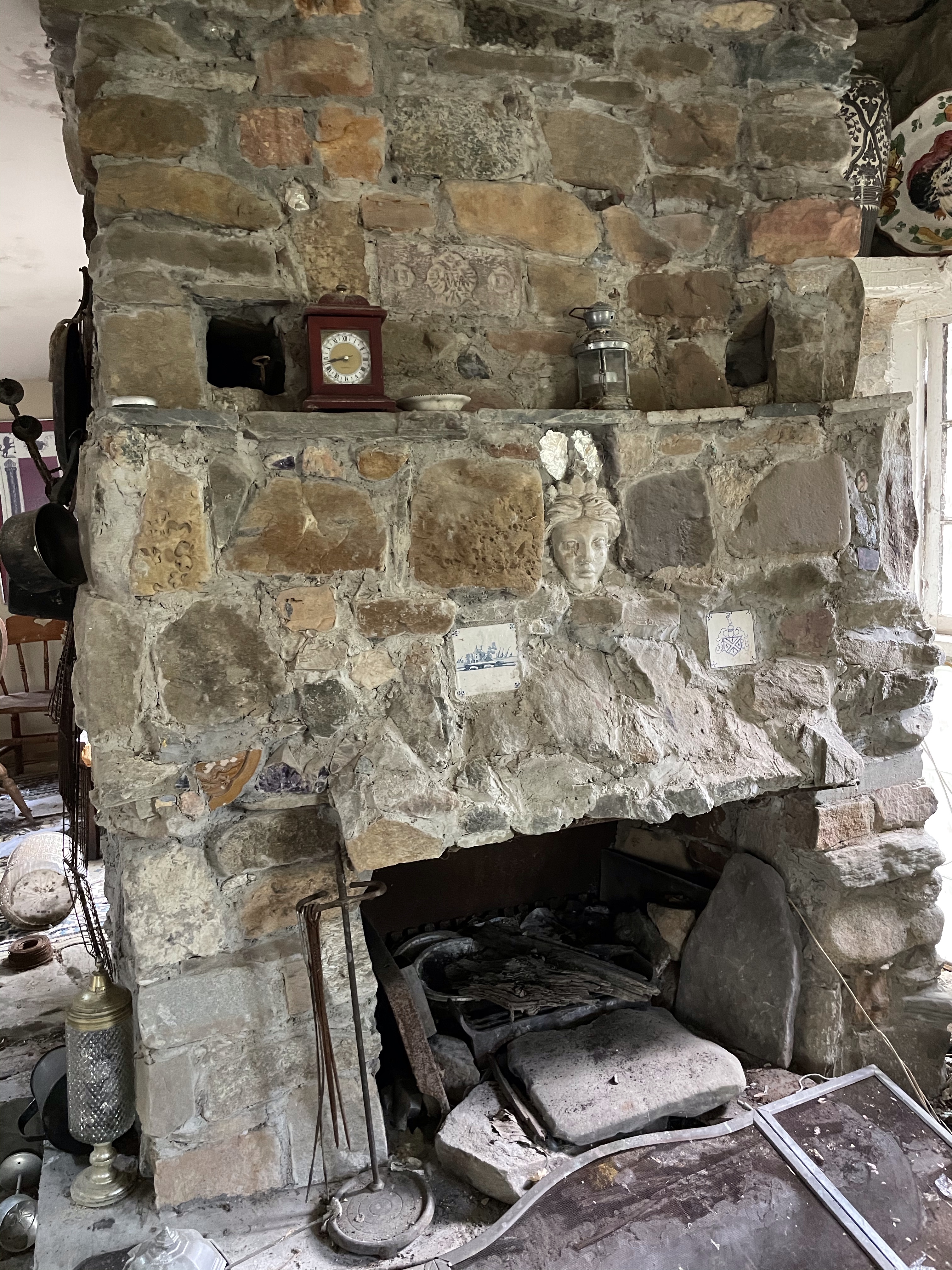
There is an old house/cabin in the woods about a half mile from where we live. It was never in great shape, but the owner, Bill Harben, passed away a few years ago, and now the house is slowly sliding back to nature. He built the mostly stone house by hand when he was in the States and not stationed overseas.

It remained a work in progress until the year he died.

Both Bill, and the house, have an interesting history. Bill worked for the State Department as a Foreign Service Officer from the 50s through the 70s. He started on the house during the 60s, between overseas assignments. After he retired in the seventies, he moved permanently to the DC area, and then worked on the place on weekends or other off times. It was slow going, and to be honest, I think he thought of the project mostly as mental therapy. He wasn’t in any particular hurry to finish it and wasn’t ever going to live there. It was merely a getaway.

The First View of the Cabin When Approaching Through the Woods

We first met Bill around 2001. I’d see him driving down the gravel road past our place, or run across him while hiking in the woods. He was probably in his late seventies at the time and still adding stone work to the house.

We became friends of sorts and had him to our home for a few dinners or parties, and were guests at his cabin several times during the summer months. He would have friends (usually ladies) out from “the city” for a cookout. He was an incredibly charming and urbane man, and I think he enjoyed the shock his guests almost always showed on first seeing the roughness of his retreat.

The Front Door

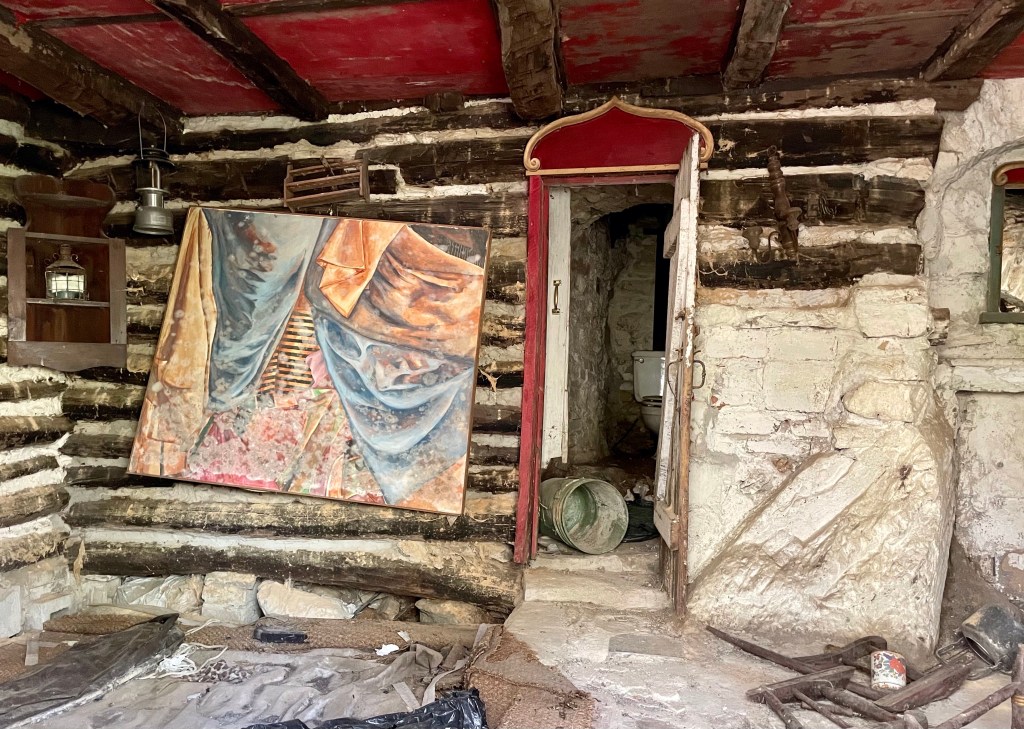
The house was unique, with no apparent master plan. Bill did all of the work entirely by hand. There was no access to the property except for a narrow dirt and grass road and then a trail. It was impossible for big equipment to access and help with the construction. The stonewalls? All the stones were from the property and Bill moved them with a wheelbarrow to the house location. He then put them in place by hand, slowly building the walls up. The floor was made from stone on the property as well. The timbered parts of the home? The logs were from the surrounding woods – Bill cut the trees, and hand hewed them to fit together.

it was a rough house, with no electricity. His water came from a small spring on the property. He did have an indoor toilet, and there was actually a small septic field. A huge stone fireplace heated the “great room”, but nothing else. Light was by candle or lantern.

Bill added many artifacts and mementos to the house from his time overseas. Some were classic, others just odd. There were statues, tiles, old lamps, even a huge antique German Bible. He also imbedded some of the items in the walls. It was quite the eclectic place.

A Few of the Items at the House or Mounted in the Walls

When having cookouts at his place, stories would inevitably come out from his time overseas, and as with many storytellers, they were usually about some funny incident with a twist. With postings in Germany, Austria, Cambodia, Russia, Rawanda and Mexico he had plenty of good source material.

I remember two stories he treated a bit more seriously. He spoke about the time he escorted “Mrs Kennedy” (that would be Jacqueline Kennedy) around Mexico when she visited the country. He didn’t share details, and instead spoke about what a wonderful lady she was. The other story involved how and why his career in the Foreign Service derailed. In the early ‘70s, he and Henry Kissinger had “a falling out” over the conduct of the war in Indochina. Bill was head of the Embassy’s Political Section in Cambodia at the time and Kissinger was Secretary of State under Nixon. Bill ended up on the short end of the stick for that one.

Once when we were visiting, I asked if I could use the bathroom. You needed to walk through his “bedroom” to reach the bathroom. There was a really strange mural in the room, and I also noticed a small painting of Confederate General Robert E. Lee hanging over the bed. It struck me as odd at the time, so when I rejoined Bill and his guests out by the grill, I said “Bill, I have to ask. What’s with the picture of Lee over the bed? You never struck me as a “Lost Cause” type of guy.”

Bill chuckled, and then explained “Years ago, when I was first building the cabin, I would sometimes be gone for months or years in between visits. At the time, there weren’t many homes in this area, it was all woods and fields. Some “good ol’ boys” would be out hunting, and come across the cabin. Inevitably, they’d break in, drink beer and trash the place. I thought about it for awhile, and then decided to hang up the picture of Lee. I knew they’d probably still break in, but once they saw the picture of “Bobby Lee” they’d be more respectful and wouldn’t destroy the place.” He laughed, and then said “It turned out I was right….”

The Mural Still Hangs in the Bedroom, but the Picture of “Bobby Lee” has Disappeared.

Bill passed away a few years ago. He was in his late 80s or early 90s at the time. We probably hadn’t seen him for a couple of years, and I knew he had health issues. I heard later that he moved from his condo in Crystal City to assisted living somewhere else.

My wife, Cathy, talks about how every time an older person dies, it’s like a library burning down. All the knowledge and stories are just gone. I’m glad I was able to spend some time with the Harben Branch Library before it disappeared.

Addendum:

If you want to read an oral version of Bill Harben’s career, you can find it at the link here. It’s a pretty interesting read of one man’s upfront view as a Foreign Service Officer during the Cold War: https://www.adst.org/OH%20TOCs/Harben,%20William%20N.toc.pdf

The Twenty Days of Maknassy

The Twenty Days of Maknassy

“Maknassy” – I can still hear Dad say the word, although he died in 2010. It wasn’t quite a snarl, but it was close. The battle, in March and April of 1943, was vicious. The Germans were slowly getting backed into a corner in Tunisia, and they knew it was either kill or be killed.

General Patton took over II Corps on March 6th, after the debacle at Kaserine Pass. On the 12th of March, Patton detached the 60th Combat Team, Dad’s unit, from the 9th Infantry Division and attached it to the First Armored Division. As a part of his upcoming operation at El Guettar, and the British Army actions under Montgomery to the south, the First was assigned a series of missions aimed at Maknassy Pass. Patton never liked to deploy armor without supporting infantry, and the 60th was given the task. Dad was a 19 year-old Sergeant, with 2 1/2 years in the army.

March 17th was the beginning of what became known in history books as the “Twenty Days of Maknassy”. According to Dad, the rain had poured for days turning the ground and roads into deep mire and mud. The Tanks were ineffective and couldn’t move. It would be up to the Infantry to get the battle started. They were directed to attack a small junction town, Station de Sened “The place everybody fought for, and nobody wanted”.

Dad explained “we started in the grass and mud to the front of the German positions. You couldn’t raise your head without getting shot, plus there were minefields in front of us. After darkness came, we moved”.

Move indeed. The 60th circled the town and climbed the backside of a steep hill, Djebel Goussa, that was to the side of Sened. Djebel Goussa was 600 feet above the valley floor and looked directly down onto Sened. They attacked on the night of the 19th. It was a brutal fight, with individuals, squads and platoons moving slowly up the hill until, by the afternoon of the 20th, they had displaced the Germans. As they now held the high ground, this also forced the enemy to evacuate Station de Sened.

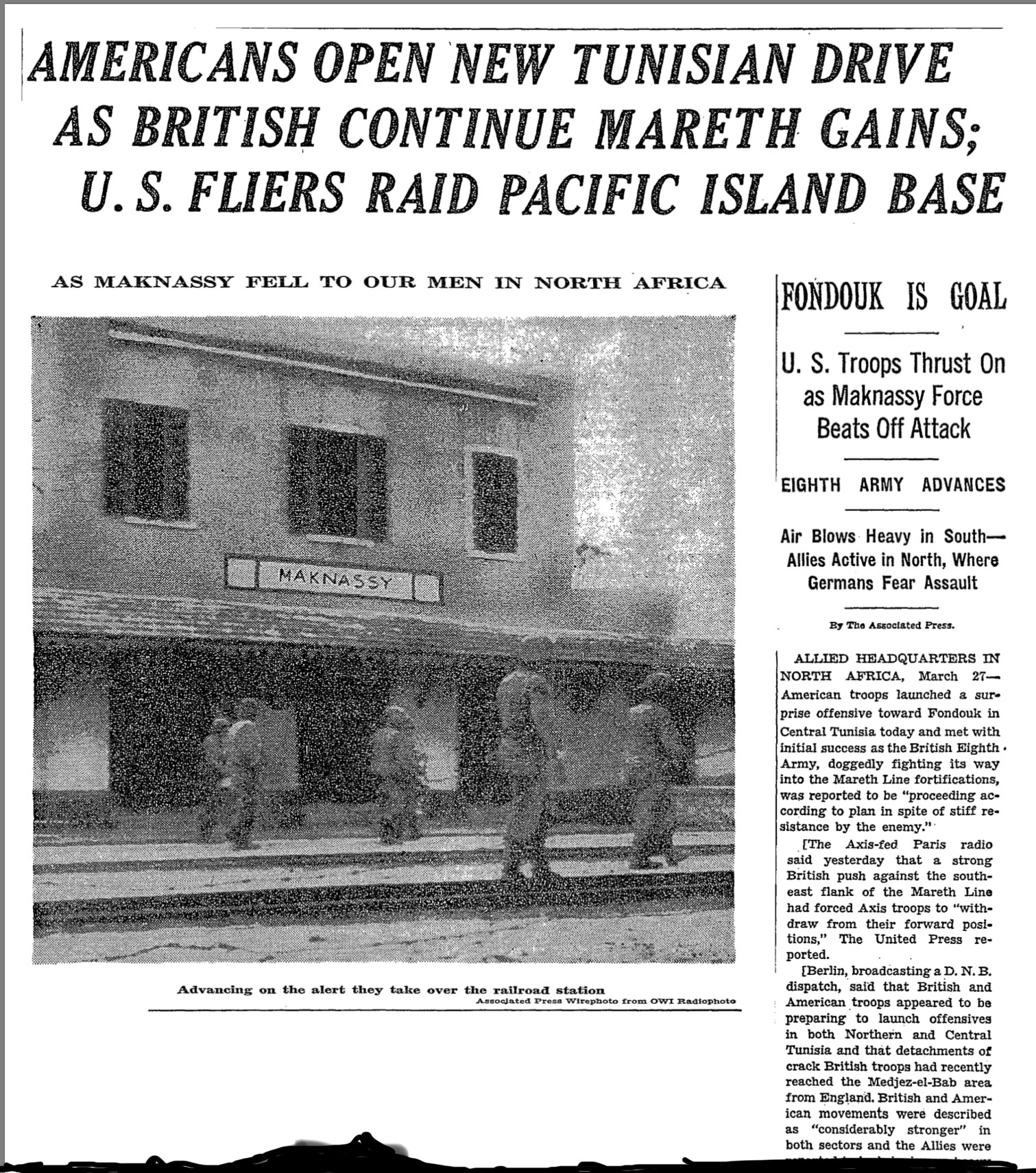
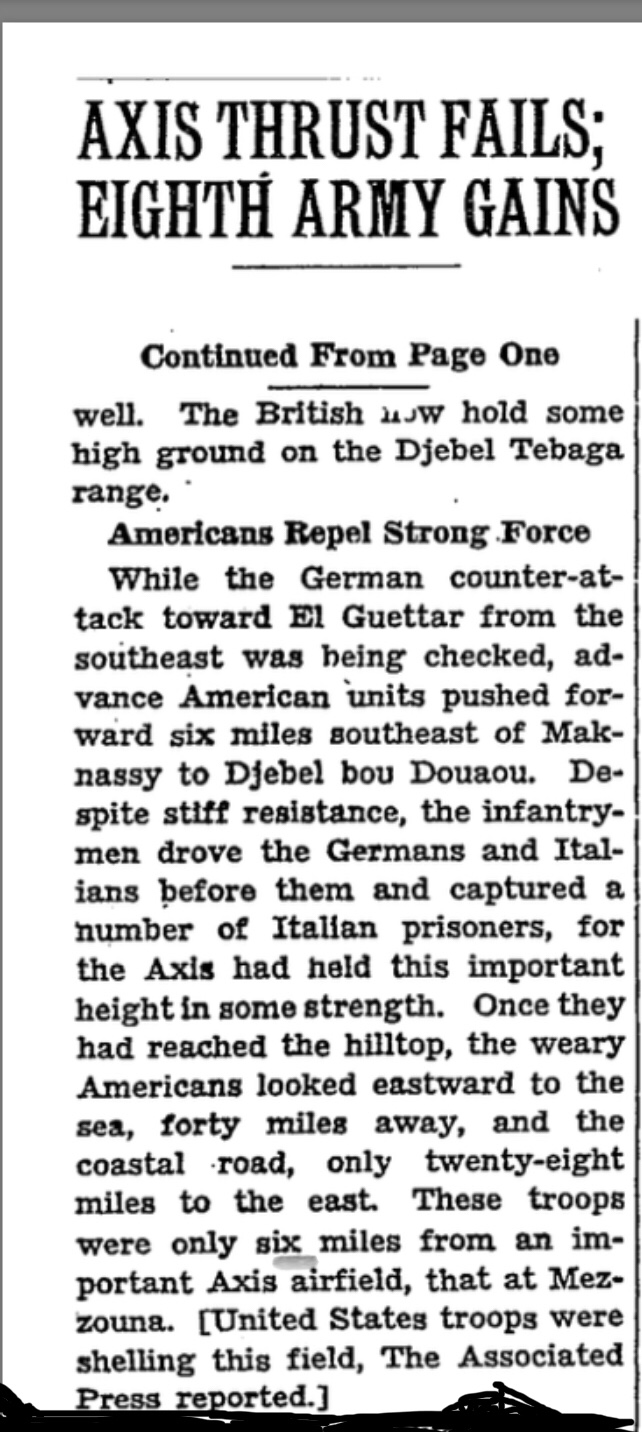
The Germans retaliated with heavy shelling. Undaunted, the 60th moved and attacked again a day later, entering the town of Maknassy itself on the morning of the 22d. The Germans left sometime during the night, and the 60th entered without firing a shot. The New York Times headline back home featured a picture of the unit entering the town near the Railway Station. The easy part was over.

The 60th Combat Team enters Maknassy

They now moved on Maknassy Pass, 5 miles past Maknassy, their ultimate objective. The Germans were dug in on hills in the pass, including Hill 322, which was guarded by Rommel’s personal Guard. The tanks couldn’t go through the pass with the Germans controlling the heights, so naturally, the task again fell to the Infantry.

The 60th attacked a series of hills on the nights of the 22d and 23d with mixed success. As dad explained “we always attacked at night, but the Germans were well dug in. And they had mines on many of the approaches. The Germans used mines everywhere. The going was very slow.” They did take several of the hills, particularly on the north side of the pass, but the Germans still controlled the south side. Hill 322 was attacked many times but never taken. The advance bogged down, but the US Forces acted forcefully enough to cause the Germans to deploy reserve units, keeping them from engaging with Montgomery and the British, further to the south. Dad said that from where they were, they could actually see the open land on the other side of the pass, even though the Germans still controlled the south side of the pass. That open ground was what the tanks needed.

The history books tell us that the battle fell into a stalemate, with the Germans occupying some of the hills, and the US the others for the next several days. On 31 March, the commander of the 1st Armored Division ordered the 60th into another attack. According to one source, “Most of the unit (the 60th), had defended their limited gains east and north of Maknassy against unremitting pressure from the Germans, for the last four days. They had little relief or rest, and many casualties, and their performance during the attack reflected their poor condition.” The attack failed.

Dad talked with me about those days as well. They were dug in on the side of mountains with deep foxholes. Deep because of the continual shelling from German artillery. You didn’t show yourself during the daytime because of snipers. The same went for the Germans, and they also generally stayed undercover. One day Dad was looking across the valley with binoculars and saw a German outside his foxhole improving his positions. Dad said “You son of a bitch…” and took aim and fired. The bullet hit a rock about 6 inches behind the German, and he jumped back in his foxhole. One of Dad’s buddies in a neighboring foxhole called out “You missed him, Bill….”

On the 2nd and 3rd of April, the 60th received over 240 replacements for the men who had been killed or wounded. This translates to roughly a 25-30% casualty rate over the preceding 2 weeks. The new recruits arrived none too soon, as the Germans mounted a massive attack on the night of the 4th. The attack lasted all night, but the 60th held and the Germans retreated in the early dawn hours.

On April 7th, although the men of the 60th didn’t know it yet, the enemy had withdrawn. It was quiet all day and then something happened. Dad and his foxhole mate, Boggs, saw something just outside the valley. It was a vehicle approaching from the south. Suddenly, the vehicle stopped. As dad watched through binoculars, two guys got out of the vehicle and…..started making tea. It was a British scout vehicle. The Brits, along with the rest of the US forces attacking at El Guettar had broken through and were driving north. Dad and Boggs came down from the hills and approached the Brits. They spoke together for a while and traded some cigarettes for biscuits. The Brits then packed up their kit, and headed north. It’s not recorded in any history book, but I believe that was the first link up between Montgomery’s Eighth Army coming from the south, and the US 1st Armored Division driving East from Maknassy. The Twenty Days of Maknassy were over.

I love it when small history is a part of big history. Dad told these stories of Maknassy, with the mud, the minefields, and the night attacks in piecemeal fashion. The stories of the “missed shot” and the Brits having tea were always shared with a laugh. I remember listening to Dad as a kid. He never told stories of either the heroics, or the butchery, of war. It was always more about the humor of the situation, or some particular hardship they went through. It was only later when I read the details of some of the battles, that I was able to overlay dad’s stories onto the actual events of the battle. Greatest Generation indeed.

Addendum:

1. If you ever watched the movie, “Patton”, the tank battle shown in Africa is at El Guettar, of which the actions at Maknassy were a part of. The movie projects it as a single day battle, but the actual events took place over nearly three weeks, and was in support of Montgomery’s attack coming from the south.

2. In addition to my conversations with Dad, I was able to piece together many of the larger details of the battle from three other sources: The New York Times (editions from March and April of 1943); the book “Eight Stars to Victory, a History of the Veterans Ninth U.S. Infantry Division” (published in 1948); and this site on line: https://www.ibiblio.org/hyperwar/USA/USA-MTO-NWA/USA-MTO-NWA-28.html – “Northwest Africa, Seizing the Initiative in the West”, by George F Howe.

3. Over the past couple of years, I’ve written several blogs about Dad’s time in the Army. They were never posted in any particular order. If you are interested in reading more about dad’s life during WWII, you can get some glimpses in the following blogs, listed here in chronological order:

Oct 1942. Last leave before shipping out to invade Africa. https://mnhallblog.wordpress.com/2017/12/04/the-%EF%BB%BFlast-big-weekend-before-the-invasion/
Jan 1943. Dad, Roosevelt, and a Brush with History. https://mnhallblog.wordpress.com/2016/05/27/247/

Mar 1943. The Twenty Days of Maknassy (This blog)

June 1943. Kicked out of a Walled City Twice. https://mnhallblog.wordpress.com/2016/06/05/kicked-out-of-a-walled-city-twice/

August 1943. Wounded in Sicily. https://mnhallblog.wordpress.com/2016/05/14/wounded-in-sicily/

June 1944. Dad and Pooch on D-Day. https://mnhallblog.wordpress.com/2016/08/19/dad-and-pooch/

Late 1944. Dad, Deason, Boggs and Noble. https://mnhallblog.wordpress.com/2016/06/17/dad-deason-boggs-and-noble/

…And this one in regard to Veterans Day…..

Aug 1942. A last visit home. https://mnhallblog.wordpress.com/2015/11/10/veterans-day-a-blue-star-a-flag-and-a-letter/