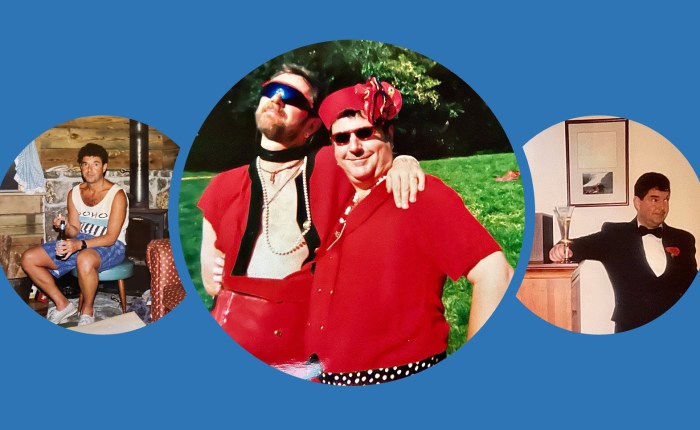
Davie

Davie

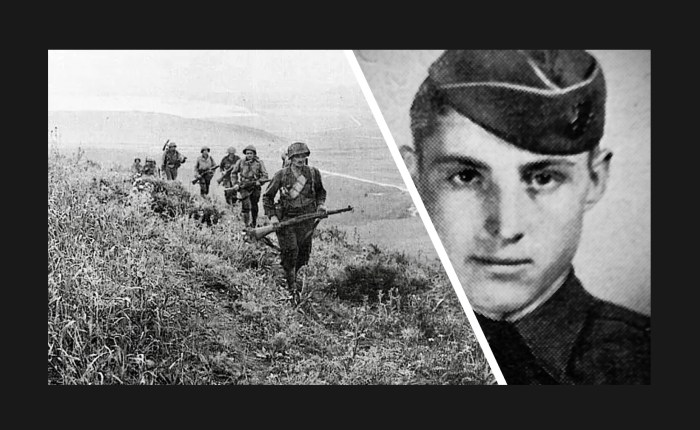
Davie was the gentlest soul I have ever known. He also had a memorable lust for life. When he died last week, the world became colder, less kind, and a little less forgiving. I mourn his passing, and there is a weight on me.

Davie and I first met through our running group, The Mount Vernon Hash House Harriers* (MVH3), in ‘90 or ‘91. Back then, we were all in decent shape, and could both run for miles and drink copious amounts of beer, sometimes at the same time. There were lots of good times running around different parts of Northern Virginia. We’d run, eat and drink, and then maybe party some more. At the time, Cath and I only lived about 1/2 mile from Davie, and frequently found ourselves in his hot tub on Saturday afternoons, some time after The Hash finished.
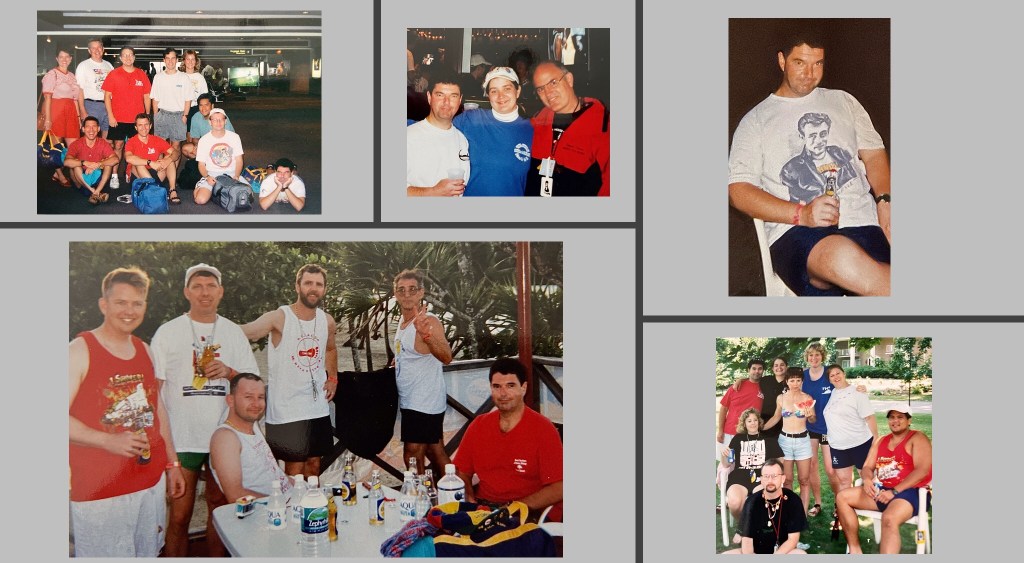
Random Hash Photos from DC, Orlando and Trinidad

Later, when The Hash started hosting it’s annual Red Dress Run (yes, all members were required to wear red dresses on the run), some of Davie’s outfits were legendary. Wearing his Carmen Miranda fruit plate hat still draws chuckles from those who were there.
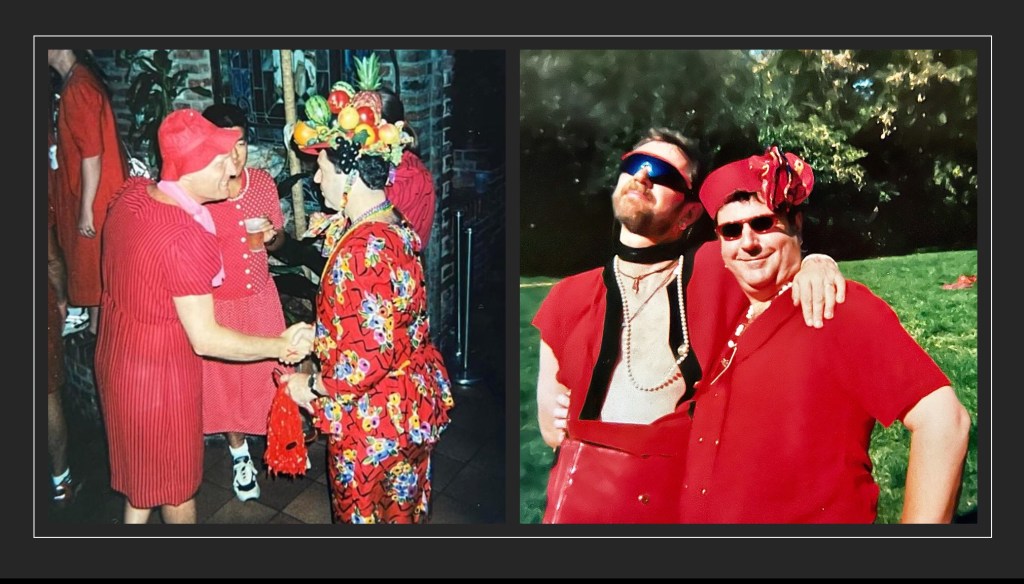
At the Red Dress Run – Davie with his Carmen Miranda Hat, and the two of us a Different Year

Our friendship grew to be much more than just The Hash. We started doing other activities together, including dinners out, hikes in the woods or up Old Rag, and visits to our then cabin in West Virginia. Sometime in the mid ‘90s Davie organized an annual ski trip for 8 or 10 of us to the wilds of West Virginia. He’d rent a big group house, where we’d ski during the day, and take turns cooking dinners at night. There was more hottubbing, beer drinking and partying in general, but what I remember most was the fellowship we all had with each other. It was the best of times and something we looked forward to every year.
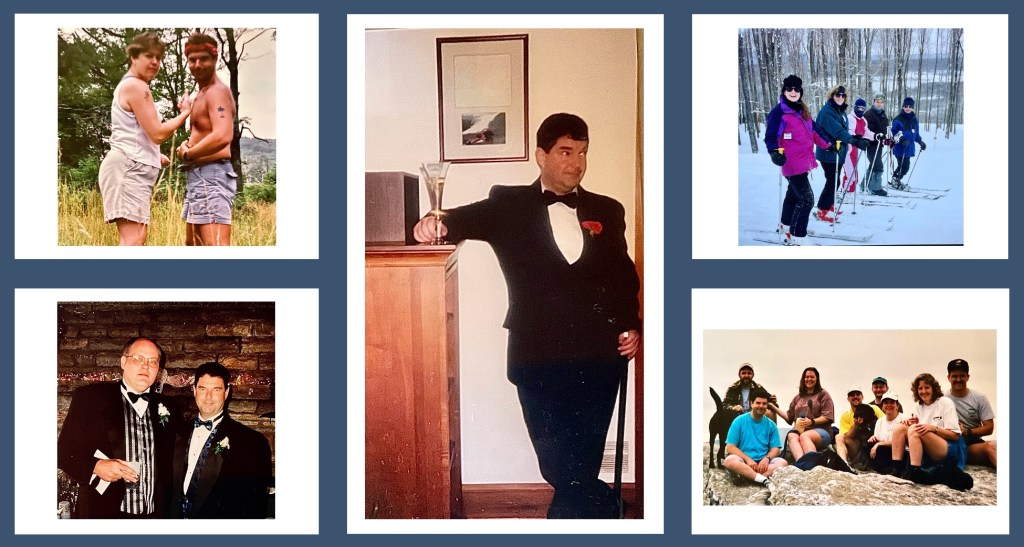
Hikes, Ski Trips, and Parties – Alway a Fun Time

In the late ‘90s, Davie came out to us. We always suspected, although we weren’t sure. It was very different then, than it is today, and coming out was a real act of bravery. It took him over half an hour and some tears before he finally came to the point he was gay. Cathy and I told him we loved him, and it didn’t matter, we still loved him. We shared hugs and tears all around at that point. It’s also what made me realize no one chooses to be gay – no one would want to willingly go through the pain and fear of potentially being an outcast of society. God, or genetics, or some combination of the two made Davie gay, and also made him the wonderful person he was.

We eventually moved to the country, a little over an hour from our old home. We saw Davie less frequently, but still had great times.

For his part, Davie, who always loved to travel, was traveling even more. He was a recognized expert on waterways for the Army Corps of Engineers and frequently flew around the country and the world for conferences, and to speak at some of those conferences. He also travelled on his personal time and loved to bicycle. I remember one trip when he went to Vietnam and rode by bike from Hanoi to Ho Chi Minh City (Saigon). He told great stories of that trip and one he biked in South Africa.

When covid hit, we didn’t see each other for a couple of years. We texted and had a few random phone calls, but that was it. One of the unfortunate realities of covid was the year or two it robbed from all of us. It’s easier to recover from the loss of a year or two when you are in your twenties. When you are in your sixties, you may still think death isn’t imminent, but you notice it hanging around out there on the horizon.

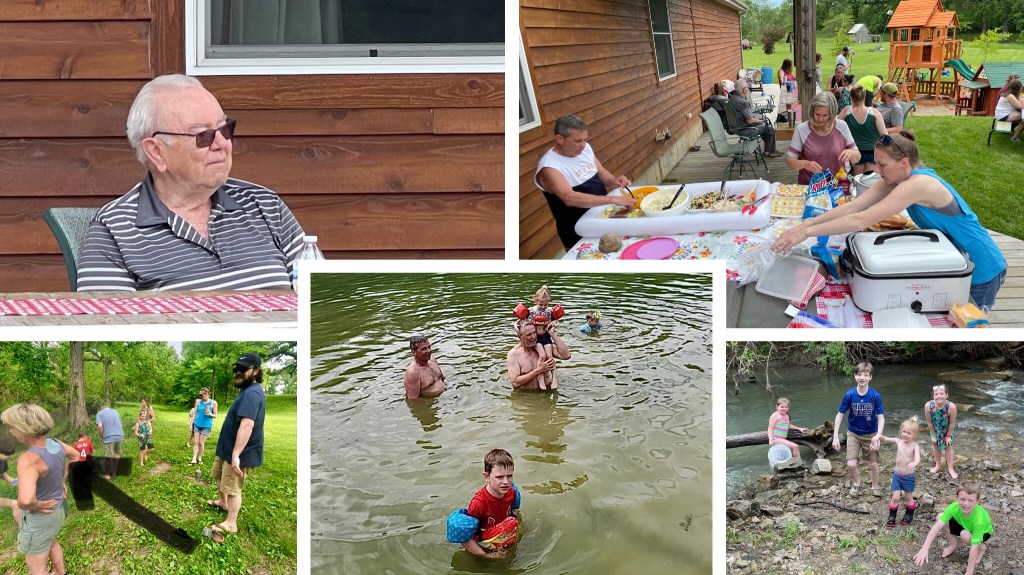
We saw Davie three times this year, including twice at Nats’ games. The final time we shared together was at our home during our annual Oktoberfest Hash, just two weeks before his death. Davie arrived early and we hugged as always. He didn’t do the trail that day, instead, hanging around the house drinking beer and eating brats. It was a fine autumn day and we spent time talking about nothing. They were the kind of conversations you have when you don’t yet know one of you is going to die in two weeks. It was wonderful.

Davie at the Oktoberfest Hash this Year

The day we found out Davie died was a grey, misty day. His death was sudden and unexpected. Calls followed to others. When you call someone in the middle of the day that you normally never call in the middle of the day, they know something is up. Still, there is the shock of the specific news.

It stayed grey, misty and rainy for two days before the sun finally re-emerged. It certainly fit our mood. The depression felt like a weighted blanket on my forehead and temples. It was a visceral, oppressive feeling. The opening stanza of W.H. Auden’s melancholy poem, “Stop all the clocks, cut off the telephone” came to mind –

“Stop all the clocks, cut off the telephone,
Prevent the dog from barking with a juicy bone,
Silence the pianos and with muffled drum
Bring out the coffin, let the mourners come.

Yes, the sun is out now, and certainly life goes on. I always think we who are living have a duty to keep the memories of those who have died alive. For my part, I will remember Davie’s smile and the twinkle in his eyes. I will recall his gentleness, and his lust for life. And I will chuckle at his fruit-plated hat, and the many other stories I haven’t shared here.

When I think of Davie, his personality, and how he enjoyed life, I often think of the opening lines of the great Joan Armatrading song, “Everyday Boy”

Well I’ve never met anyone
With your courage,
And the way your enjoy life
Puts me to shame.
Just an hour with you,
And I understand
Why we had to meet…

Davie was our friend, whom we loved. We will miss him always.

Addendum:

  • * MVH3 is a part of a world wide group known as the Hash House Harriers, which started in Kuala Lumpur, Malaysia in 1938. Hash, in this case refers to bad food, not pot. The runs are hare and hound in nature, with a marked trail. Typically, beer and food are served after the run. Hashers have the playful motto of “we are a drinking club with a running problem”. You can find out more about The Hash here: https://en.m.wikipedia.org/wiki/Hash_House_Harriers
  • If you haven’t heard the Joan Armatrading song, “Everyday Boy”, give it a listen. It’s worth it. Ditto on the WH Auden poem “Stop all the clocks, cut off the telephone” – find it online and give it a read.
  • Special thanks to my wife Cathy, and our friend Tia Perry who both contributed thoughts and ideas to this blog.
  • Thanks to Sharon Gustafson Schoen for the pic of Davie with the Carmen Miranda hat. The hat was actually made by our old friend Renee Ayer, who wore it at a previous Red Dress Run. Thanks also go out to Ann Simon for the last photo of Davie at Oktoberfest.
The Chili Dump

The Chili Dump

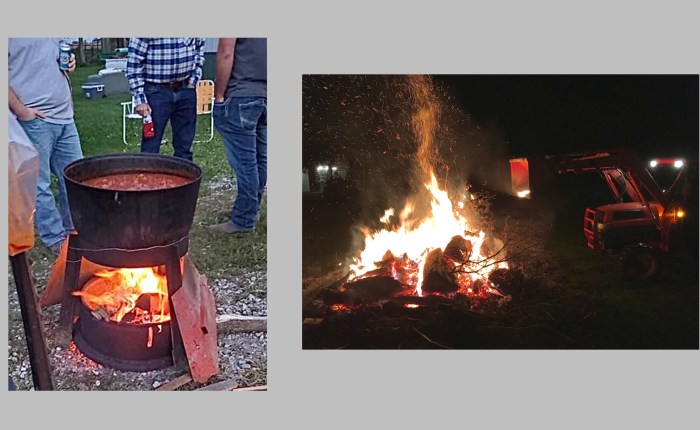
I hate missing a good party. Unfortunately, we will miss Chili Dump 2022. We made the 2016 version, which featured great chili, a band, Elvis, a bonfire tended by a front-end loader, and 200, or so, of my sister and brother-in-law’s closest friends. What’s a Chili Dump? I’m glad you asked.

My Brother-in-law Jack started his legendary Chili Dump party around 2002 with his then wife, Meg. The first party was a thank you for friends who helped clear the land they were building their home on, and then subsequently helping them build their home. It became an annual event, and as their kids grew older, their friends started attending the party as well. Sadly, Meg passed away in 2013. When my sister Roberta met Jack later, she too was introduced to The Chili Dump. In 2016, we timed our visit home to Illinois so we could attend the party.

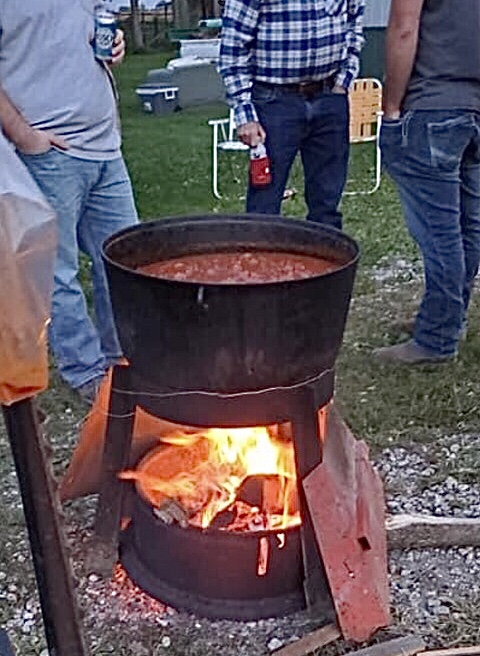
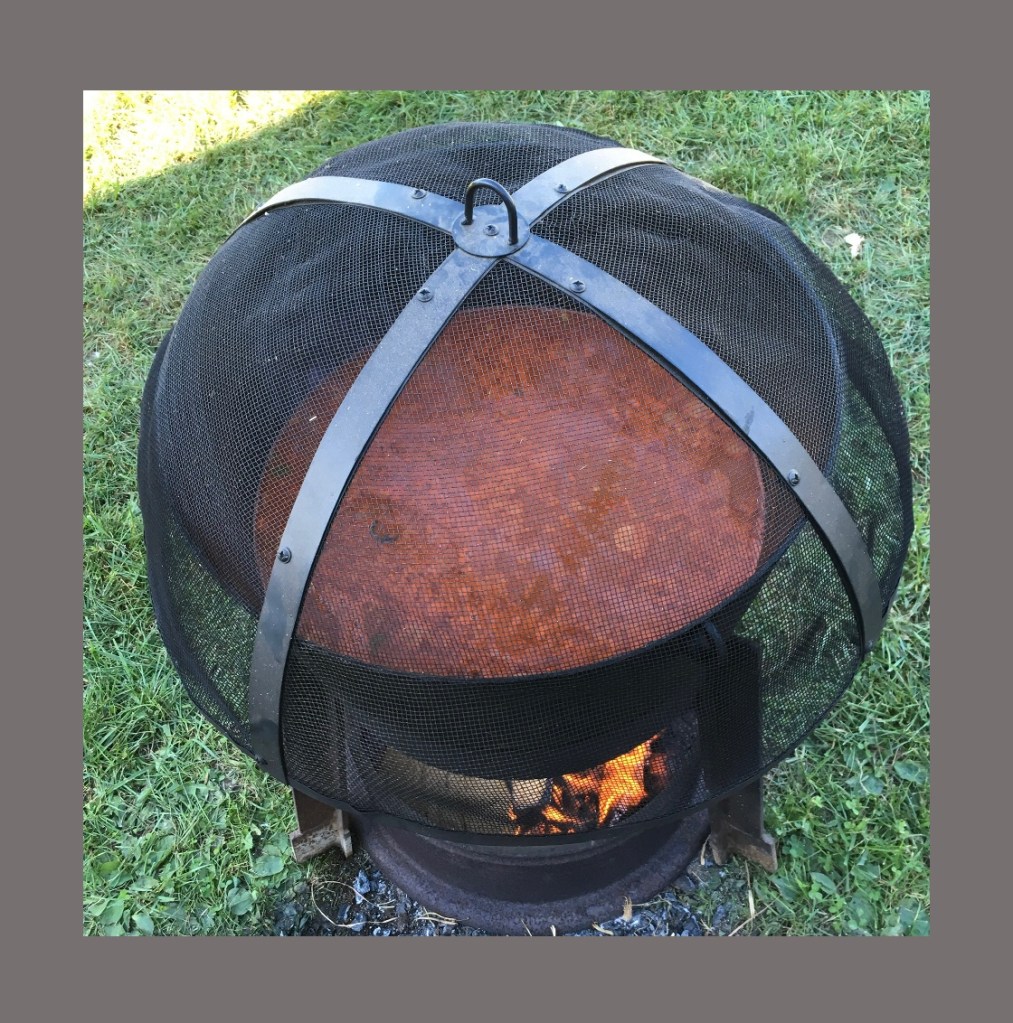
On that October ‘16 afternoon, Jack started a fire in the back yard and put a huge pot over it. The pot actually looked more like a cauldron than any pot I’d ever seen. They added the usual chili ingredients – cooked ground beef, tomatoes, tomato juice, hot peppers, beans and spices (and please, I don’t want to hear from any Texans about how beans don’t belong in chili). Soon, the chili started to cook and bubble away. By then, we may have had a beer or two.

A Cauldron of Chili….

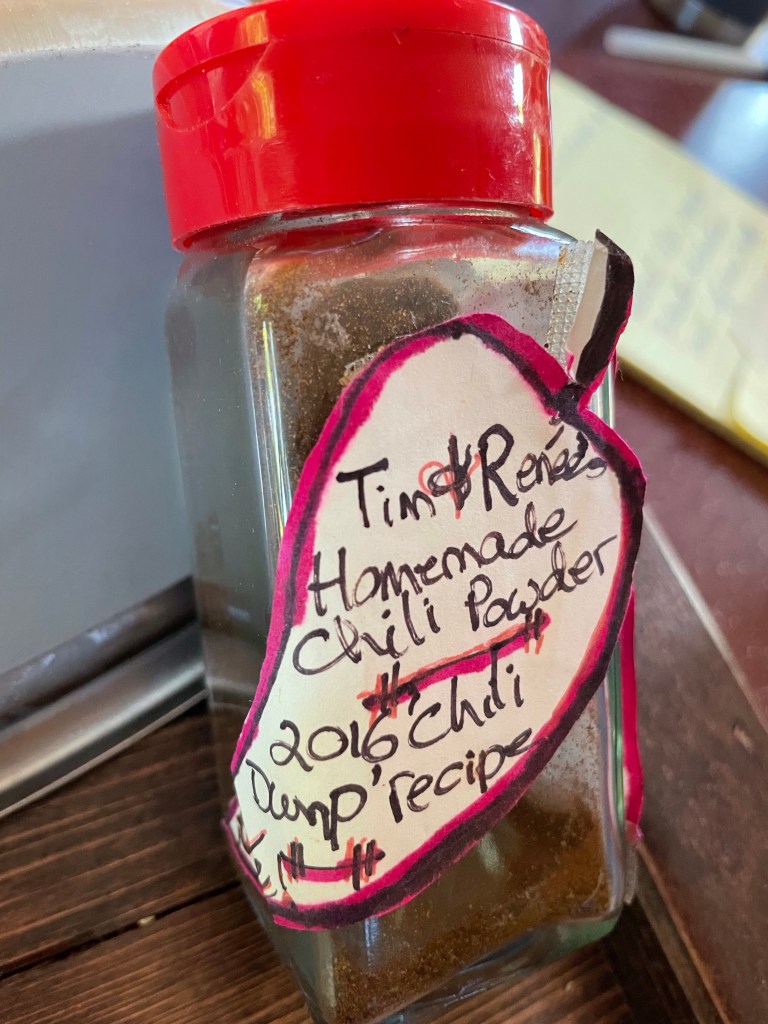
The first friends arrived by ATV, and brought more ingredients to add to the Chili – venison and jalapeños if I recall correctly. Others continued to arrive. Smoked brisket, hotdogs, sausage, bratwurst – they all went into the pot. Wood was added to the fire, to keep the chili cooking. Our friends Tim and Renee arrived from the Chicago ‘burbs with a blend of spices they specifically put together for the chili. Into the pot it went.

Tim and Renee’s Special Chili Spice for the Chili Dump!

Other folk brought toppings, including sour cream, grated cheddar cheese, sliced jalapeños and fried bacon. Someone made cornbread. There were bags of chips and Doritos added to the serving table. My sister Tanya and her husband Shawn arrived, and added more beef in the pot. Nieces and nephews arrived, and all dutifully put something in the pot. The volume of chili in the pot was definitely increasing.

The Pot was Getting Full!

Pickup trucks and cars were now lined up near the cow pasture. It started getting crowded and started getting dark. Around then, Jack lit the bonfire. It was a biiiiiig bonfire…

The Bonfire WAS Big…

Somewhere during all of this, people began sampling the chili. I have to admit, I was a bit skeptical, but then I took my first bite. Wow! This was surprisingly tasty. People kept arriving and adding to the chili. There was now also a steady stream of bowls being filled, so the volume stayed about the same, or maybe started to go down. There were probably 200 people at the farm by then.

Eventually, the Joel Limberg Band started playing. Some folks were dancing, and as at weddings, lots of little kids were hopping around on the dance floor. At some point, the band brought out a surprise guest singer – Elvis. Actually, a Philippine Elvis. Let me tell ya, you haven’t lived until you’ve heard Elvis sing Sweet Caroline, with the crowd joining in on the response – “Sweet Caroline, oh oh oh, Good times never seemed so good – So Good! So Good! So Good!” The party was going strong now!

Yes, Elvis is a bit Blurry, Much Like Parts of the Evening….

More dancing. Talking with family and old friends. Making new friends. More beer. More chili. The chili level in the pot was definitely receding. The bonfire was also going down, but Jack wasn’t ready to let that happen just yet. You know you have a big fire when you need to tend it with a tractor’s front-end loader.

Nothing Says Party, Like Fire in the Front-End Loader…

Although it was getting later, no one was leaving. Suddenly fireworks went off and exploded in the sky. We all watched, and oohed and ahhhed. The neighbors didn’t complain, because most of them were at the party.

Oooohhh! Aaaahhhh!

The band played another set, and it was time for more beer and more chili. The volume in the pot was definitively lower, but the chili was still hot, and still tasty. I noticed the crowd was starting to thin some, although I don’t think the sound volume was any lower.

Well after midnight, Cathy and I finally went to bed. It was a great party, but sometimes it’s good to know your limits.

The next morning, we woke, not feeling overly fuzzy. Jack and Berta were already up and had fed their calves and chickens. Amazingly, they didn’t seem to much worse for wear. I asked Berta how late the party went, and all she said was “Late”.

Our friends Tim and Renee also spent the night and they too woke up and joined the living. Eventually, we all went outside and started cleaning up. We may have partaken of a little “hair of the dog” during the cleanup. A couple of the youngsters also stopped by and with all of us involved, it wasn’t tooooo much work and we finished up after a couple of hours.

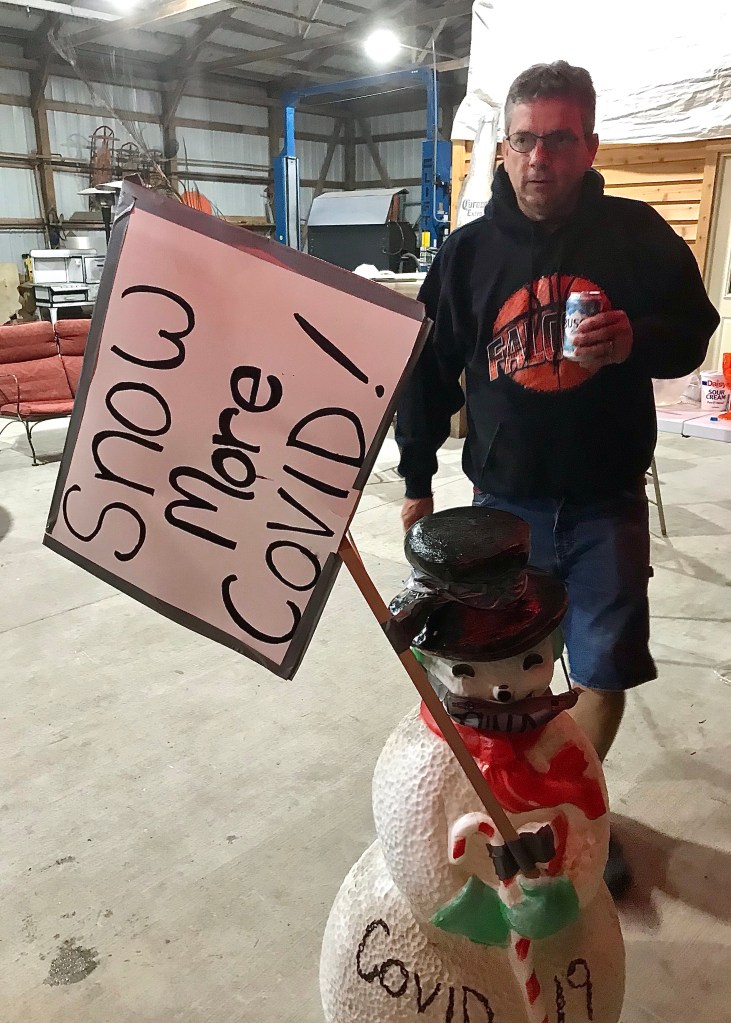
That was the 2016 party, and so far, the first and last one we attended. Since then, we’ve been out of the country for a couple of them, and of course covid slowed things down. I should mention they burned a Covid Snowman at the 2020 Chili Dump.

SnowMore Covid ‘19, was Added to the Bonfire in 2020…

I’ve both attended and hosted a number of good parties over the years, here in the States, and overseas in Germany, Austria, France, Belgium and the UK. I have to say the 2016 Chili Dump was one of the best. Anytime you combine chili, beer, Elvis, a bonfire, fireworks and fun people, it has to be pretty good, doesn’t it?

Addendum:

Thanks to my sister, Roberta, for help with this blog.

Going Home

Going Home

We are driving home to Illinois this week. The last time we drove to Ottawa was in 2017, and mom was dying. This time, we are going to see living family and friends, and stay at one of the touchstones of my youth.

We never get back to see folk as often as we would like. Life gets in the way, and time keeps on ticking, or depending on your perspective, racing along. We have visited a couple of times since 2017, but always flew. Our last trip was a short one a little over a year ago, and my sister Berta and her husband Jack had a great family reunion while we were there.

The Last Visit Home

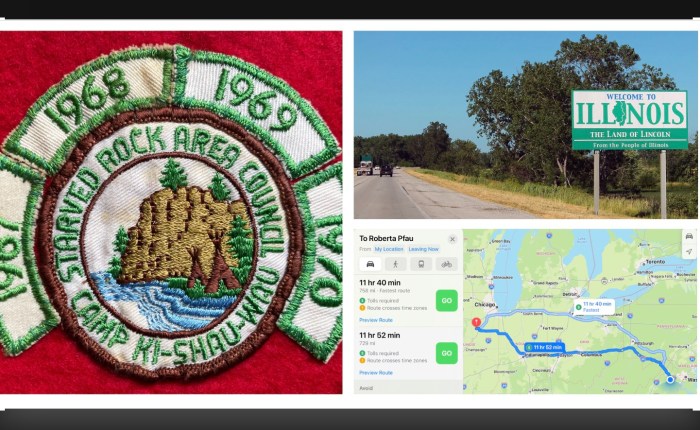
This time, Cath and I are bringing our dog, Carmen, and driving. It typically takes 12 to 14 hours to cover the 750 miles, but you don’t measure progress by time or by miles. You track the States you cross. We’ll go from Virginia to West Virginia, then Maryland, back to West Virginia, then Pennsylvania, West Virginia a third time, Ohio, Indiana, and finally, Illinois. You get to see a bit of ‘Murica along the way.

The Northern Route is Shorter, but the Southern Route is an Easier Drive

Cathy is never crazy about the drive. For her, it’s a bit like Cormac McCarthy’s, “The Road” (if you haven’t read the book, you may have seen the movie with Viggo Mortensen.) Me? I always enjoy it. I watch the land transform from the Piedmont here in Virginia, to the Appalachian Mountains of West Virginia and Pennsylvania, the rolling hills of Ohio, and eventually the flatlands of Indiana and Illinois. None of it is dramatic landscape, but if you have the time, it’s a beautiful way to see and reach the heartland.

It’s funny. I started this blog with “We are driving home…”. Neither Cathy or I have lived in Ottawa since we were 18, nearly 50 years ago. We have lived in our current home here if Virginia for over 23 years. “Going home” of course isn’t always about going to a place. It can be about a time in your life as well. Some may think it’s corny, but there’s something gratifying about occasionally returning to your roots, however short the visit is.

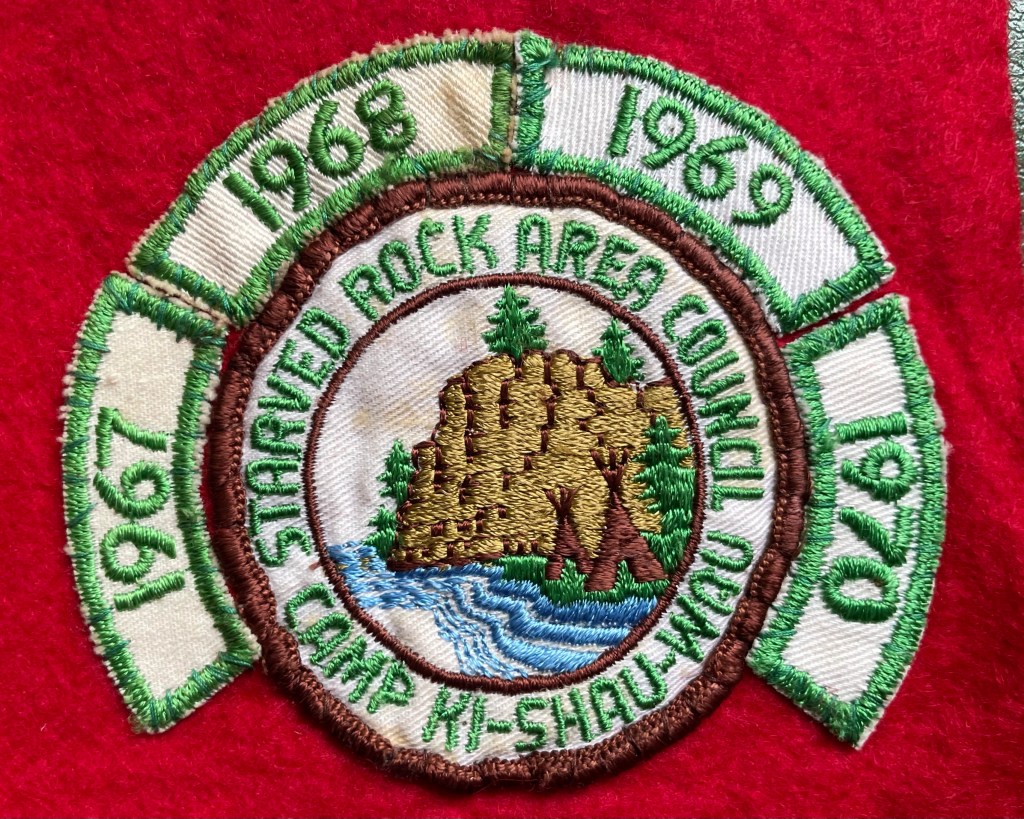
This visit is actually starting at Kishauwau Cabins, a resort we knew in our younger days as Camp Kishauwau, our local Boy Scout Camp. During our youth, my friends, Tim, Howard, Mark and I spent many a night there, either camping in tents or sleeping in one of the few run down cabins it had at the time. The Boy Scouts sold the camp decades ago, and it was turned into a getaway that attracts people from Chicago and the suburbs now. On this trip, we’ll be with our wives and girlfriends and staying in their new and remodeled cabins. My guess is our food and adult beverages will be better than the camp fare we ate and bug juice we drank during our previous stays in the ‘60s and ‘70s.

High Above Vermillion’s Waters…Camp Kishauwau

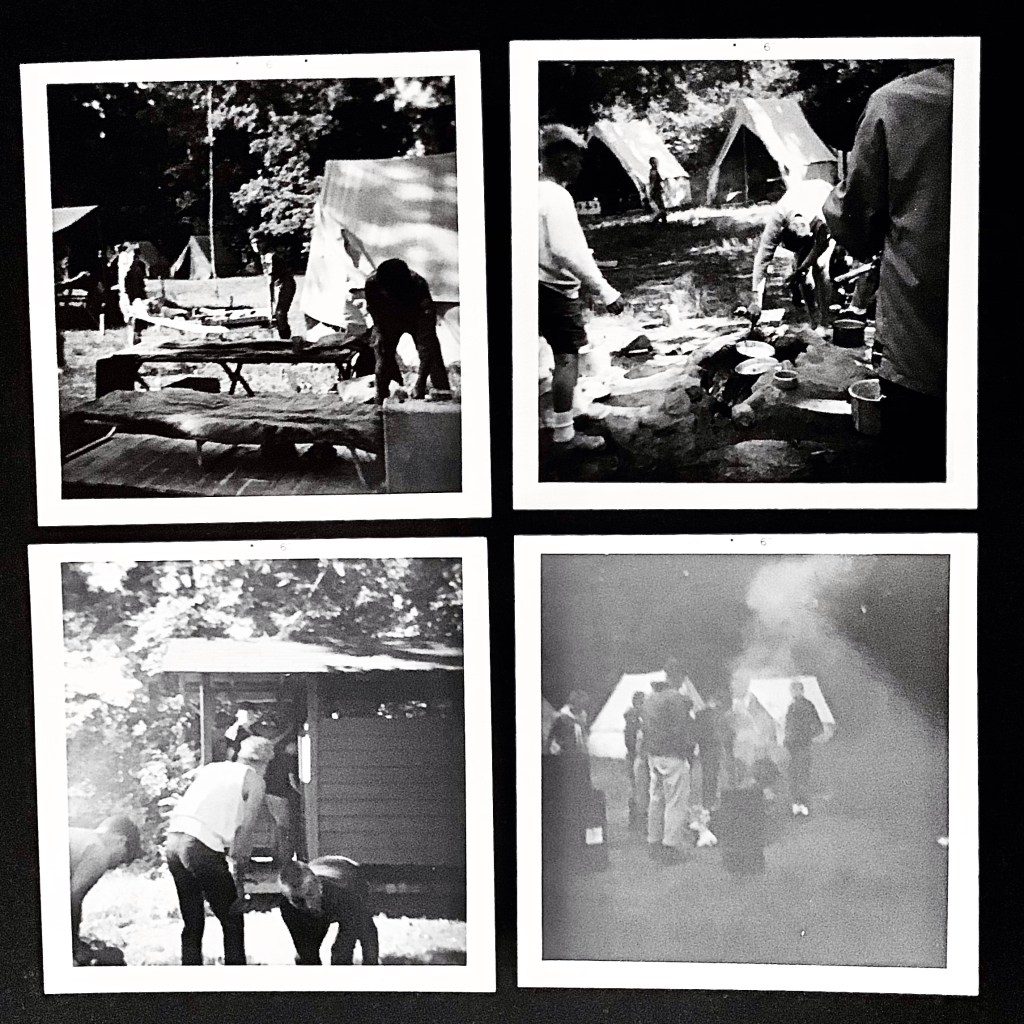
I’m sure we will tell an old story or two, but we’ll try and keep it in check. Still, I would be surprised if WrongWay LeBeau isn’t mentioned a time or two. Other subjects might come up as well – marshmallow fights, the time we started to run a fellow scout up the flagpole, or the time our troop failed to keep a proper fire-watch during summer camp, or … We’ve only told and heard these stories a few hundred times before, so there’s no reason to repeat them. And yet we probably will, at least a few times.

Like These Old Photos From Camp, our Memories may be a bit Blurry.

Later, we’ll spend a few nights at Berta and Jack’s beautiful home and see them, along with my other sister, Tanya and husband Shawn. The trip is short enough that it’s doubtful we’ll have time to see all of the nieces, nephews, grand-nieces and grand-nephews. Sadly, that’s just how life is sometimes, especially when you live six states away.

Over the course of the week, we will probably have a pizza from Sam’s or Bianchi’s, and maybe a pork tenderloin sandwich somewhere. I’m sure we will visit Allen Park as well. There are some things you just “have to do” when back in Ottawa, no matter the length of the trip.

Eventually, the visit will end and we will return to our home in Virginia. The departure, not money, is always the real price of a trip back home. Knowing time is fleeting and we are growing older, departing is always a little bittersweet for me. The hugs, the handshakes, the I love you’s … the thought of “When will we gather together again?”

Memories are nice. Keeping friendships and family love alive are even better. The best trips make new memories, and I know it will happen this time as well. Still, there is always a question in the back of my mind – “Where does the time go, and when will we gather together again?

Addendum:

My friend Tim is always more poetic than I am, and suggested adding the 1969 song “Who Knows Where the Time Goes” by Fairport Convention in the Addendum. It’s a nice listen and adds perspective as well – https://youtu.be/OkOB57UcYk8

Dad and a Cuppa Joe

Dad and a Cuppa Joe

Sometimes, it’s the little things we remember. With a small assist from Burt Lancaster, I once surprised Dad with a present of WWII mess hall coffee mugs he’d been trying to find in antique shops for years. The gift brought joy to both of us at the time, and continues giving me comfort to this day.

Dad always liked his coffee. From the time we were kids, I remember the role it played in his life. On early weekday mornings, he packed the big thermos with him as he left for work on the railroad. On weekends, there was a pot available all day long on Saturdays, and half the day on Sunday. On Saturday mornings, various uncles or aunts stopped by. They all sat around the kitchen table drinking endless cups of coffee, while telling, or retelling, the stories of their youth, and the war years. We kids often listened in, laughing at the stories we came to know by heart.

I started understanding a bit more about his love for coffee when I was applying to West Point. On a couple of occasions, dad drove me to Fort Sheridan (an Army Post in Illinois that no longer exists) for a physical and a fitness test. As we were walking on the Post, he surprised me by becoming a bit nostalgic for the “good old days” in the Army, and talked about how good the coffee was. I think he may have even joked with one of the folk we interfaced with about reenlisting, if he could have a cup of coffee from the Mess Hall. It’s strange, the things you remember, but I distinctly recall the conversations about Army coffee on those trips. It was about 27 years after World War II and he was 48 at the time.

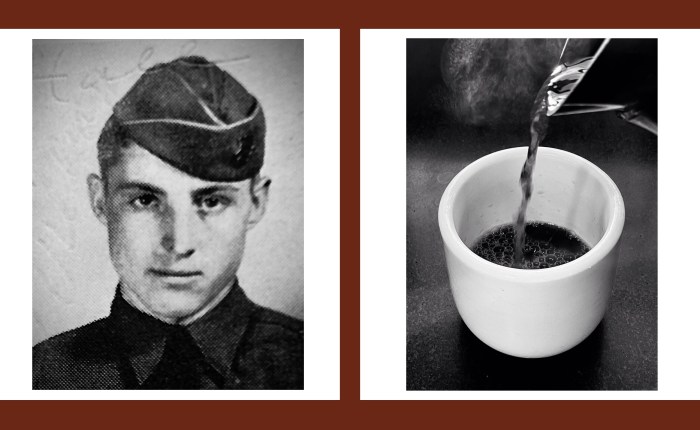
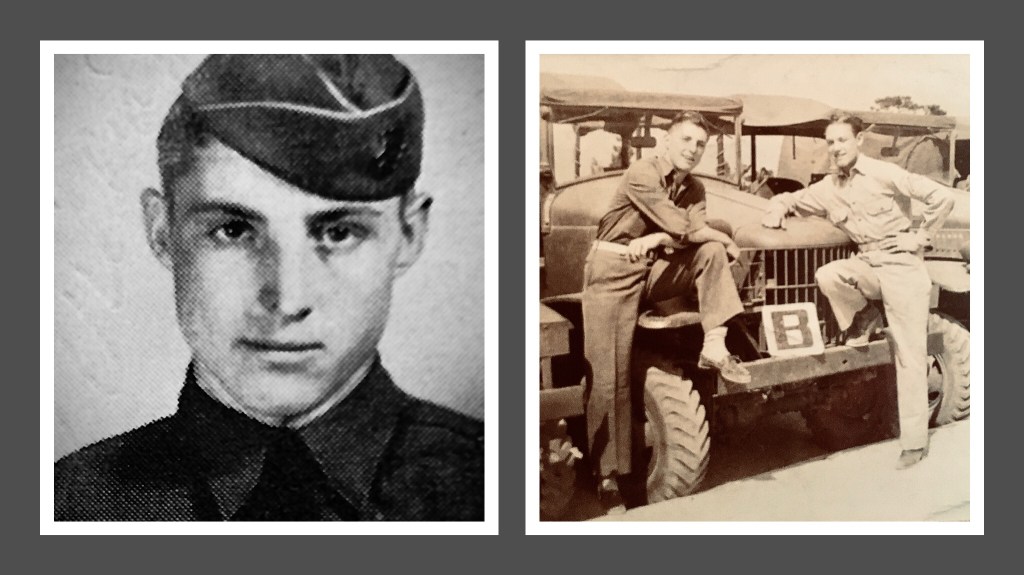
Dad in the “Good Old Days” in 1941, Sometime Before Pearl Harbor

I eventually graduated from West Point and Cath and I were deployed to Germany for most of the ‘80s. We didn’t see Mom and Dad much during our time overseas.

In ‘85, Dad retired from the railroad, and he and mom started traveling more, particularly to jazz concerts around the country. They also managed to visit us in Germany in ‘88. While there, dad talked about their travels. In a side conversation, he mentioned they also typically visited “antique” stores during their trips. He was looking for mess hall coffee mugs from WWII, but hadn’t found any. I was intrigued. What the hell do WWII mess hall coffee mugs look like, and why did he want them?

In Dad’s words, they were thick, heavy white mugs with no handle. You could put both hands around the mug when you took your first sip in the morning, and the mug warmed your hands. He’d used them throughout his time in the Army during the war. I mean, he was waxing poetic about these mugs. I still didn’t quite know what they looked like, but that was OK. During their visit, we stopped in a couple of shops with older items, and Dad would poke around. His thinking was maybe during the occupation of Germany after the war, some mugs made it into the local economy. The looking was to no avail, and no mugs were found.

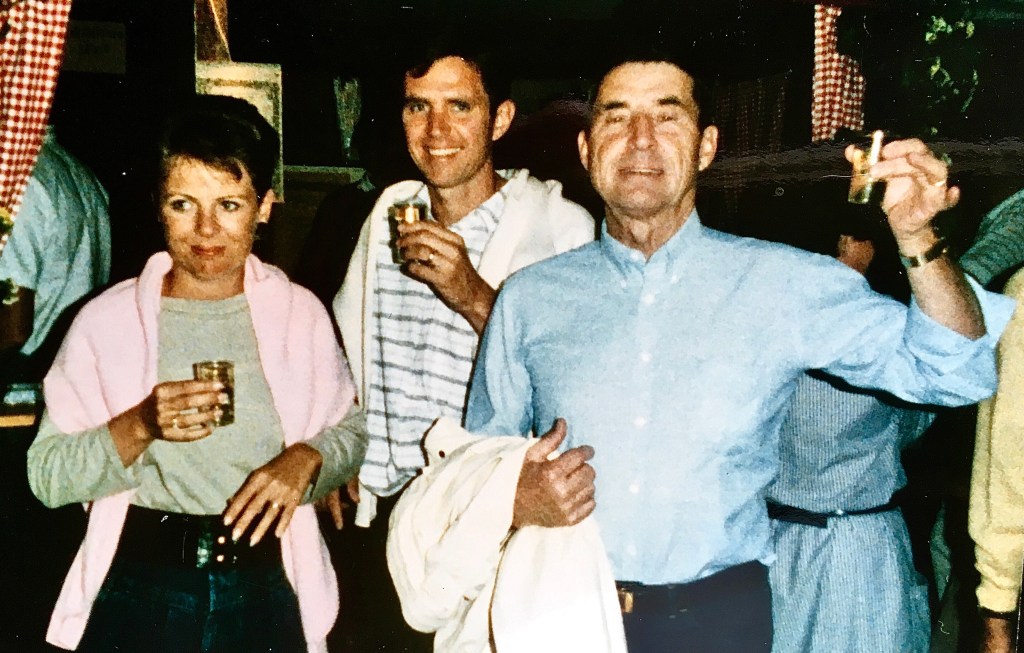
Dad, Cathy and I at a Winefest on the ‘88 Trip to Germany.

We eventually returned to the States in ‘89, and on a visit at Mom and Dad’s over Christmas, Dad and I were watching TV. The classic WWII movie, From Here to Eternity, was on. You know the movie… Burt Lancaster, Montgomery Clift, Frank Sinatra, Donna Reed, Debora Kerr and Ernest Borgnine. It has the great scene with Lancaster and Kerr kissing on the beach as the waves crash over them.

As we were watching, Dad suddenly shouted out “There’s the coffee mug! Look in Burt’s hand!” What!? I look up, and I’ll be damned. Just as the Japanese are about to attack Pearl Harbor, there’s Burt with a white, thick, handleless coffee mug… which he immediately throws on the ground to go out and confront the attacking Japanese.

Everyone Knows the Scene of Burt and Deborah Kerr on the Beach, but Dad and I Were More Interested in Burt and the Coffee Mug.

I’d completely forgotten about the mugs until Dad’s outburst. Of course I immediately asked him how the hunt was going. He’d visited a lot of shops, but never seen any, or really even met anyone who knew what he was looking for.
At the time, I was involved in a couple of classified Black programs for the military and traveling a fair amount. Cathy couldn’t know where I was going, only the approximate day of my return. On the trips, we could only use cash, and no credit cards were allowed. We often had some spare time, and now that I knew how the mugs looked, I too started poking around in the occasional store.

A couple of years went by, and I wasn’t having much luck either. That changed in the spring of ‘93. I was looking around a junk shop in the middle of no where, and there they were – Six of them! Holy hell. Were these really them? I asked the owner what he knew about them, which wasn’t much, only that they were old coffee mugs. It was enough for me. I counted out some cash, bought all six mugs, and returned home with them a week later.

Six Handleless Coffee Mugs, Bought with Cash at an Unnamed Location

Cathy and I thought about giving them to Dad for a Christmas or Birthday present, however those were still a while away. Mom and Dad were coming for a visit in July, and we decided we would give them to him then, with a twist. Rather than just hand them over, we would not say anything, serve soup in them, and see if Dad noticed.

They finally made it to Virginia and the big night arrived. It was a beautiful evening, and we ate dinner in the backyard on the picnic table. Cathy made Gazpacho for a first course, and we served it in the mugs. As she and I brought the soup out, we set a mug in front of each of us.

I could hardly contain myself, I was so excited. We started eating and both Mom and Dad complemented Cath on the soup. There was no word from Dad on the mugs. Were these not the right ones? We continued eating, and all of a sudden Dad paused, and started looking at his mug. He looked more intently, and then, “Say! I … I … I think these are the mess hall coffee mugs!”, at which point I burst out laughing.

Dad verified these were INDEED the mugs. By then, we were all laughing, and I told him the story of how I found them.

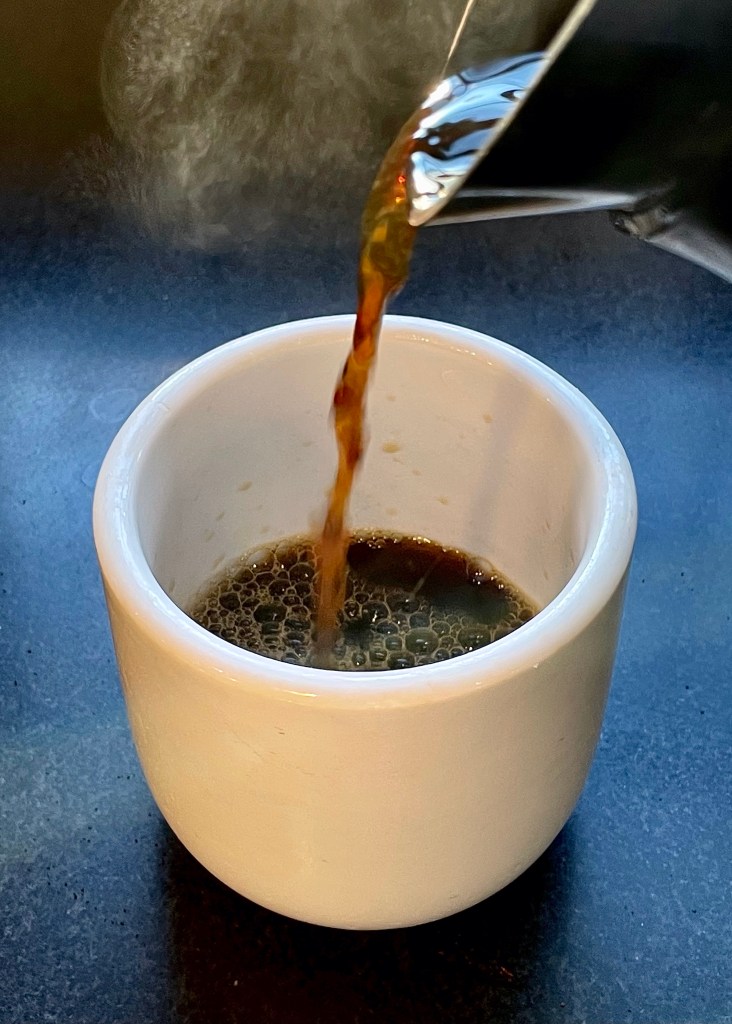
We used those mugs for coffee in the morning for the rest of their visit. Dad would use both hands, and bring it up to his mouth and nose to inhale the smell of the fresh brewed coffee, probably the same way he did back in 1940-‘45. When they left, I sent four of the mugs home with them, and kept two for us.

Nostalgia and Coffee. What’s Not to Like?

Eventually, Dad passed away in 2010. At some point in time, mom gave the four mugs back to us. Occasionally, I use one of them for my own Cuppa Joe in the morning. I feel the warmth of the mug in my hands, inhale the smell of the fresh brewed coffee, and think back to Dad – It’s a wonderful way to start the day.

Addendum:

If you want to see the scene of Burt Lancaster with the coffee mug as the Japanese are attacking Pearl Harbor, you can view it here: https://youtu.be/2UxTGH7cR5Y

The Puke Bowl

The Puke Bowl

The Puke Bowl. Do all families have one? You know, the one you pull out to put next to your kid’s bed when they have an upset stomach and things are sketchy? That, and coke syrup were staples of our childhood when sick. Our family puke bowl also had a dirty little secret.

Puke… not such a pleasant word, but I suppose it’s an apt descriptor. I’m not sure it’s better or worse than vomit, upchuck, ralphing, throw-up, or barf. All get the idea across pretty graphically. As kids, when the flu or some other illness turned our stomachs, the answer was always the same – a spoonful of coke syrup from the fridge, and then off to bed with the Puke Bowl by the bed. Running to the bathroom toilet was always the first option, but the bowl was right there if you didn’t think you could make it. Mom would dutifully wash and clean the bowl through out our misery, and when we finally became better, gave the bowl a thorough double cleaning and put it away in the utility room by the kitchen.

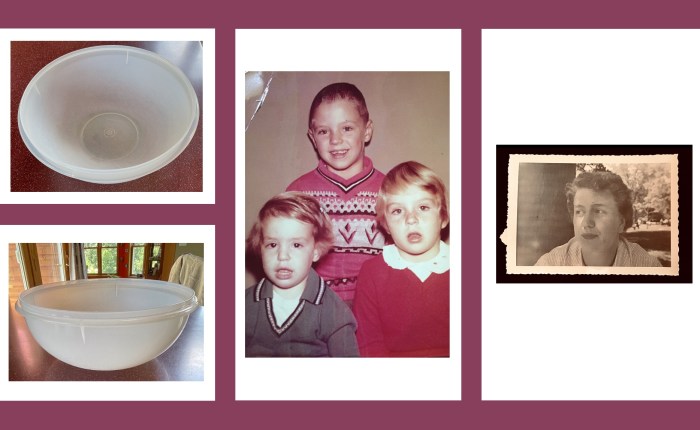
The Puke Bowl … In all it’s Glory …

Over the years, the Puke Bowl was also used by our nieces and nephews, if they happened to get sick when visiting Grandma and Grandpa. Three generations now called that big Tupperware bowl, the Puke Bowl. All of our spouses do as well. It became it’s own family tradition.

My sister Roberta “inherited” the bowl after mom died in 2017. All three of us kids were interested in it for nostalgic reasons, but Berta was the one who claimed it. To be honest, I did not realize mom still owned it, but of course I should have. Mom didn’t throw much away, and everything had multiple uses. Back then, America wasn’t the throw-away society we are today.

Mom Never Threw Much Away…At that Time, Most Folk Didn’t

Fast forward to this year…

A couple of months ago, Roberta’s granddaughter, Lydia, was visiting, became sick and started throwing up. When her mom, Kathi, came to pick Lydia up, Berta sent the Puke Bowl home with them, in case Lydia needed it in the car. A couple of weeks later, Berta was at Kathi’s, along with Kathi’s mother-in-law, Penny. As Roberta was getting ready to leave, Kathi said, “mom, don’t forget the Puke Bowl”, and handed Berta the bowl. Penny had a strange look on her face, and evidently thought the bowl was just a regular Tupperware bowl, like those you use for cooking or food storage. She exclaimed “What?!” Berta and Kathi started laughing, and then explained the WHOLE back story of the bowl to Penny.

In addition to being The Puke Bowl, the bowl had a secret life. It also doubled as THE bowl in which mom made her much acclaimed Potato Salad. It made an appearance whenever there was a big gathering or picnic for the family, church, neighborhood, or where ever. It was a massive bowl and the largest she owned, and due to the popularity of her potato salad, she didn’t want to run out. I don’t recall mom ever running out of potato salad at family (or other) gatherings when growing up. Never.

Tanya, Roberta and I Didn’t Seem to Suffer any Adverse Effects from the Puke Bowl…

The bowl is mostly retired now and lives in Berta’s basement. Lydia’s use a couple of months ago was the first time it was pulled out in quite awhile.

I should also mention Roberta’s daughter, Diane, is the official “holder” of mom’s potato salad recipe. Her version is the closest to mom’s of any I’ve tasted, which means it’s pretty d@mned good. Although Diane has her own set of bowls and Tupperware, including a large one she makes her potato salad in, when ever there’s a big family gathering, inevitably one of her sisters will laugh, and say to her, “Diane, you gonna make grandma’s potato salad in the Puke Bowl for the get together?” No, she doesn’t, but old family memories die hard… 😉

No, Diane Doesn’t use the Puke Bowl, to Make Grandma’s Potato Salad

Addendum:

– Our Niece, Tami, also remembered that the bowl almost always seemed to be the hiding place for someone’s Easter Basket each year at Grandma and Grandpa’s house… 😉

– In writing this blog, and talking with friends, two items became clear.

  • First, most all families had some version of a “puke bowl” or bucket, and many of them were multi-use products, particularly for holding popcorn.
  • And second, many lamented the throw-away society we have become. As Americans, we retain very little – Of course diapers, cups, plastic silverware and paper plates are all disposable. These days, so are phones, computers, mixers, coffee pots, stereo equipment, and a great deal of furniture. Washing machines, dryers and dish washers fit the same mode, unless they break down in the first few years of use.

⁃ Special Thanks to Cathy, and my sister Roberta for all of their help on this blog.

⁃ Thanks to sister Tanya, along with nephew Casey, and nieces Diane, Tami, Bre, Kathi and Jordan for their memories as well.

– Thanks and photo credit of the picture of Diane about to make potato salad, to her four year old daughter, Riley! Roberta took the pics of the bowl itself.

⁃ As always, MAJOR thanks to my old friend and editor, Colleen (who didn’t own a Puke Bowl growing up.) She always keeps me straight and on track.

Granddaughter of Juda

Granddaughter of Juda

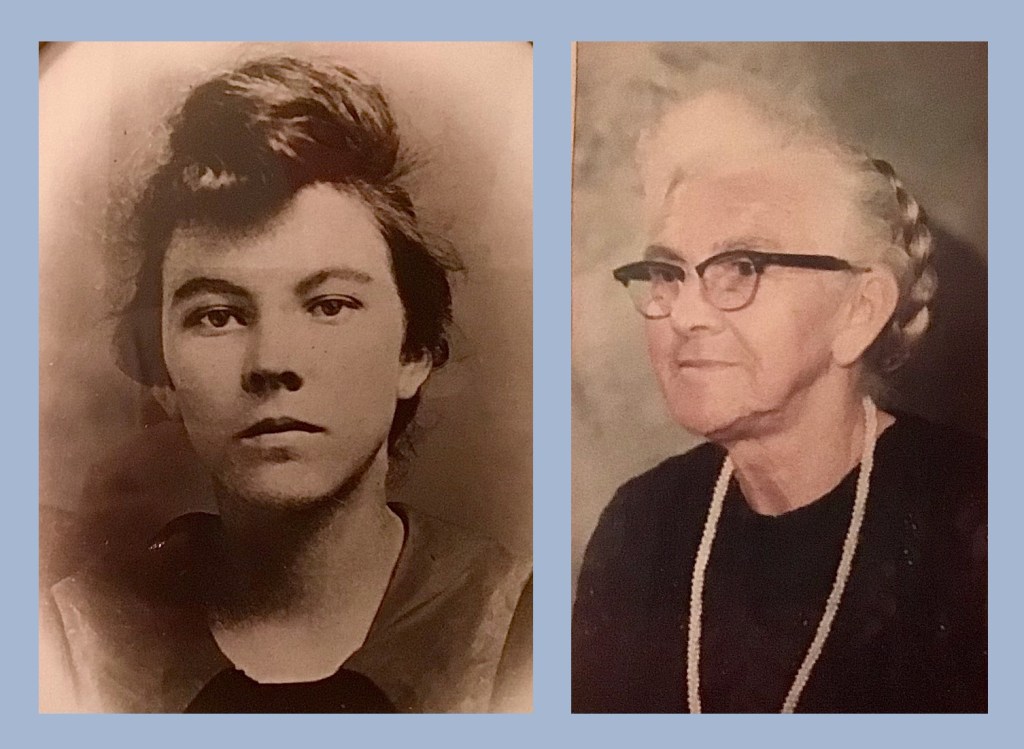
There were no gardens here at Rohan Farm 23 years ago. Now, they dominate our landscape. Cathy made this happen, through a combination of inherited knowledge, hard work and love. She is the daughter of Faye and a Granddaughter of Juda Catherine Strickland.

The hillside garden, the shade garden, the front garden, the vegetable garden, the cutting garden, Cathy designed them and created them. I provided a bit of the grunt labor for the hard scape, but the secret to all of it is Cathy. When she gardens, she is in her Zen Zone. For me, weeding is the ultimate drudgery. Not her. She spends hours each week weeding, improving and cutting in the garden. She once shared with me, “Patience is the key ingredient in gardening, and pays off when a plant reaches maturity and blooms. There’s a special excitement seeing something you have planted, nurtured, cared for and thought about finally bloom. The journey is as important as the end result.”

A Few Glimpses of the Gardens, and Cathy Peaking Around Some of her Daffodils

Cathy’s gardening talent was born long before I was on the scene. She inherited a love of gardening from her mother Faye. Mom was a wonderful gardener and always had flower gardens at the house. Cathy noticed. When her family lived in Chattanooga, Cathy persuaded her mom to let her have a flower garden of her own at age 12. Faye was fine with the idea, but Cathy had to plant it and maintain it.

Whenever mom moved to a new home, the first thing she did was start planning out the flower gardens. Her last home in Alabama was gorgeous with a combination of plants, pathways and surrounding woodland, and I could lose myself in thought while wandering through them.

Faye gained her garden skills from her mother Juda Strickland, who lived a hard life in rural Alabama. She and her husband Ernest had 11 children, 8 of them boys. Electricity and indoor plumbing didn’t come until much later in her life. Cathy remembers that when she visited as a child, they were still using an outhouse. I think two things sustained Grandma Strickland in life – her faith in God, and her gardening. For her, I think they were related.

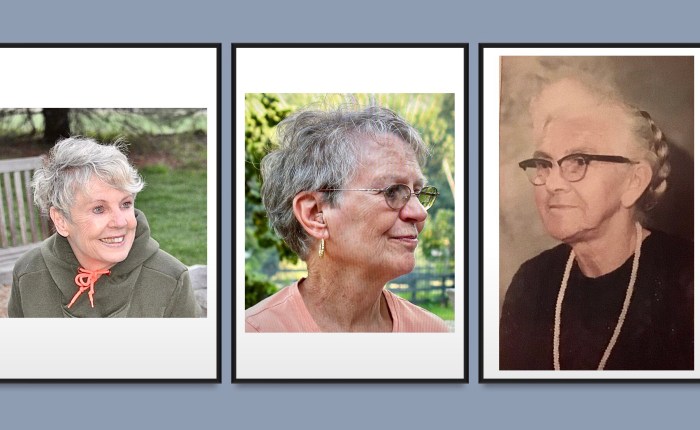
Juda Catherine Strickland

Cathy spent years following Faye and Juda around grandma’s farm in Alabama, talking about plants and flowers the whole time. They were often joined by Jeff, Cathy’s cousin. While he did the usual “boy stuff”, he also liked to garden. They all discussed the merits of the plants, as they walked and talked. Some plant wouldn’t be doing well and they would decide if it should be replaced or maybe it needed a different spot, or just some love. Most were not exotic plants, but southern favorites like four o’clocks.

In Cathy’s telling, it was great fun walking around the farm. There was always something to see, whether plants, newly born piglets, or watching how live chickens were turned into dinner (I think there’s a whole other blog right here ;-)…). Sometimes the meanderings ended at the vegetable garden, where fresh tomatos were a tasty treat of summer – warm, fragrant and oh so juicy. Summer afternoons were spent on the porch with newspapers stretched over everyone’s laps. There were beans to string, peas to shell and corn to shuck…

Later, after Cathy and I were married, we made several trips to visit Grandma, particularly when stationed in Georgia. Grandma would lead Cathy around the house and garden showing her new, or different plants. She wasn’t quite as mobile then, having broken her hip during a fall in her sixties. She was using a wooden crutch to get around, and would point out the plants or blooms with the crutch. Cathy loved and cherished those times together.

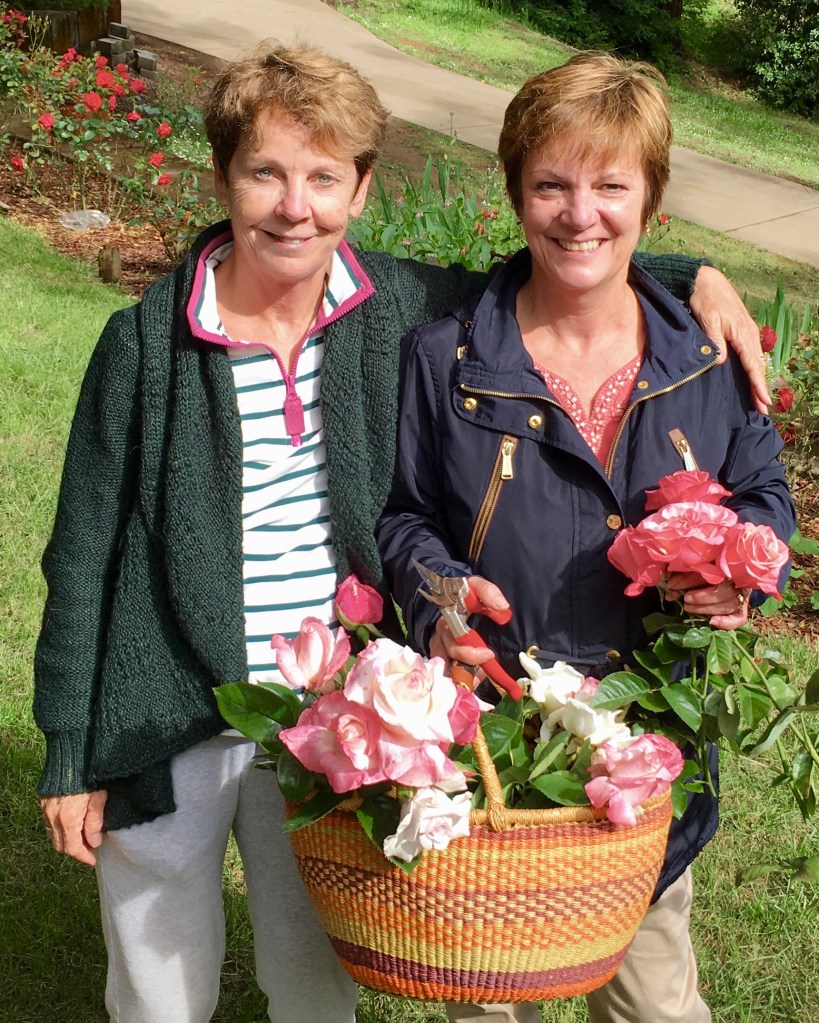
Cathy’s younger sister Bonnie also has the gardening gene. At her home near Mendocino, CA, she has roses, flower gardens, a big vegetable garden and fruit trees. It’s all beautiful and fits the Northern California setting perfectly. She has a greenhouse that many professionals would envy. Cathy and Bonnie trade cuttings and seeds back and forth, and more than a few plants have made coast to coast journeys.

Cathy and Bonnie Cutting Roses in California

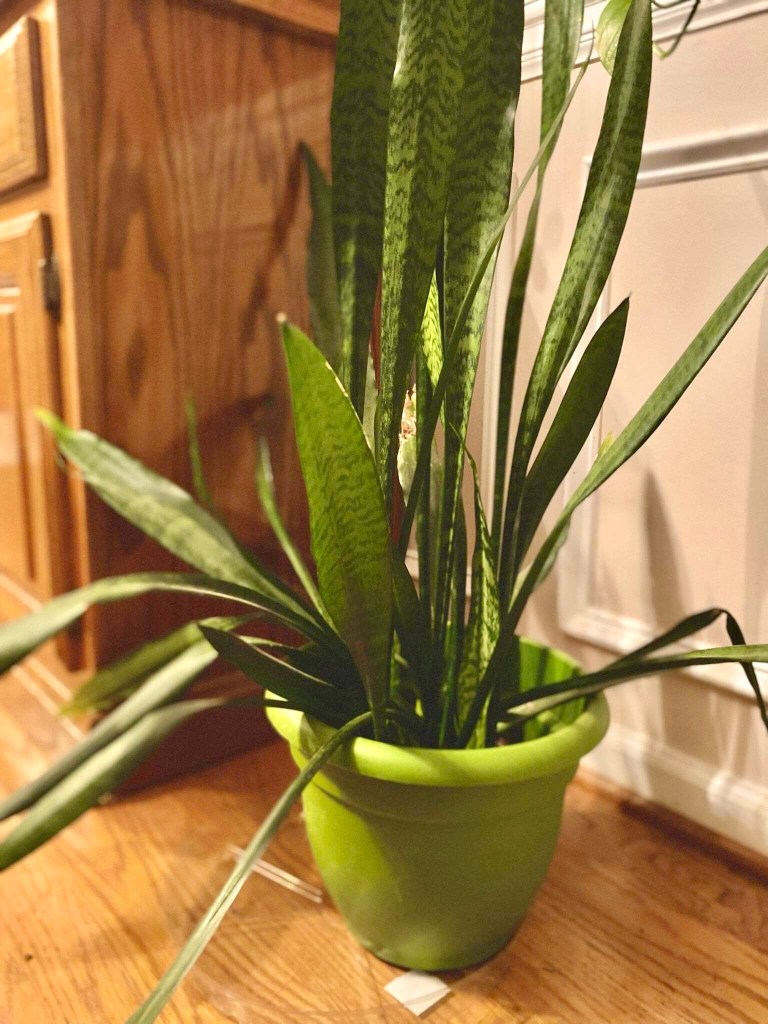
There are several other Granddaughters of Juda who inherited her green thumb. As an example, in addition to Jeff, Cathy and Bonnie’s cousin Debbie has beautiful gardens in her back yard, and will frequently post pictures that reveal she too has the touch. Other cousins such as Margaret and Dylilah have the gift, and it’s already seen in the next generation – Sasha, the daughter of their cousin Rusty is also an avid gardener. It wasn’t a universal gift though. Cindy, Cathy and Bonnie’s middle sister, was never much of a gardener. Nor was their cousin Loretta, who claims she can’t grow anything. Still, I think Juda’s spirit remains with all of them. As Loretta related, “I definitely did not inherit her green thumb. I manage to kill every plant I get EXCEPT for one. I inherited a Mother-in-Law’s Tongue from Mawmaw in the ‘90s. Believe it or not, despite my best efforts, that plant is still alive.” 😉

Loretta’s Mother-in-Law’s Tongue – Nearly Thirty Years Old, and Still Going Strong

Grandma eventually passed away in 1997, at the age of 98. She was in a nursing home for her last few years. Although she could no longer garden, her faith in God remained with her until the end. I like to think there are gardens scattered across America that are living testaments to her life and her legacy.

Addendum:

  • Special thanks to Cathy, not only for her gardens, but also for sharing memories of her youth and visiting Grandma in Alabama. She filled in missing critical pieces that I “sensed”, but didn’t specifically know.
  • Thanks to Bonnie, Loretta and Debi for sharing their own gardening backgrounds. Special thanks to Loretta for sharing the photo of her Mother-in-law’s Tongue (photo credit to Cynthia Smith).
  • I first met Grandma Strickland in 1973, when Cathy’s family went there for a vacation over spring break. Cathy and I were dating and in high school, and we somehow persuaded our parents that it would be OK for me to go with them. I think at first Grandma was a bit suspicious of this token northerner who was dating her granddaughter. The suspicion was allayed at least a bit on the second night, when she cooked fried okra. I’d never had okra before. Three helpings later, I thought I’d died and gone to heaven, and grandma started warming up to me.

Here are two other blogs I’ve written in the past about Cathy and her gardening:

  • Through Cathy, I’ve gained an appreciation for the colors that make up the palette of our life. For years, I didn’t get it, or understand it. Or perhaps even worse, I didn’t think about it. Sometimes though, you can teach an old engineer new […] continue at: https://mnhallblog.wordpress.com/2022/03/23/the-palette-of-our-life/
  • Ask Cath how she grows orchids and she’ll say “Oh, I just water them. After that, it’s tough love.” Tough love evidently works. In winter, I enjoy looking at the results. The color, the texture, the beauty of orchids and their individual parts – Sepals, Petals, Lip, and Column, make each unique… Continue at: https://mnhallblog.wordpress.com/2020/03/04/cathy-and-her-orchids/

When Birds Cry

When Birds Cry

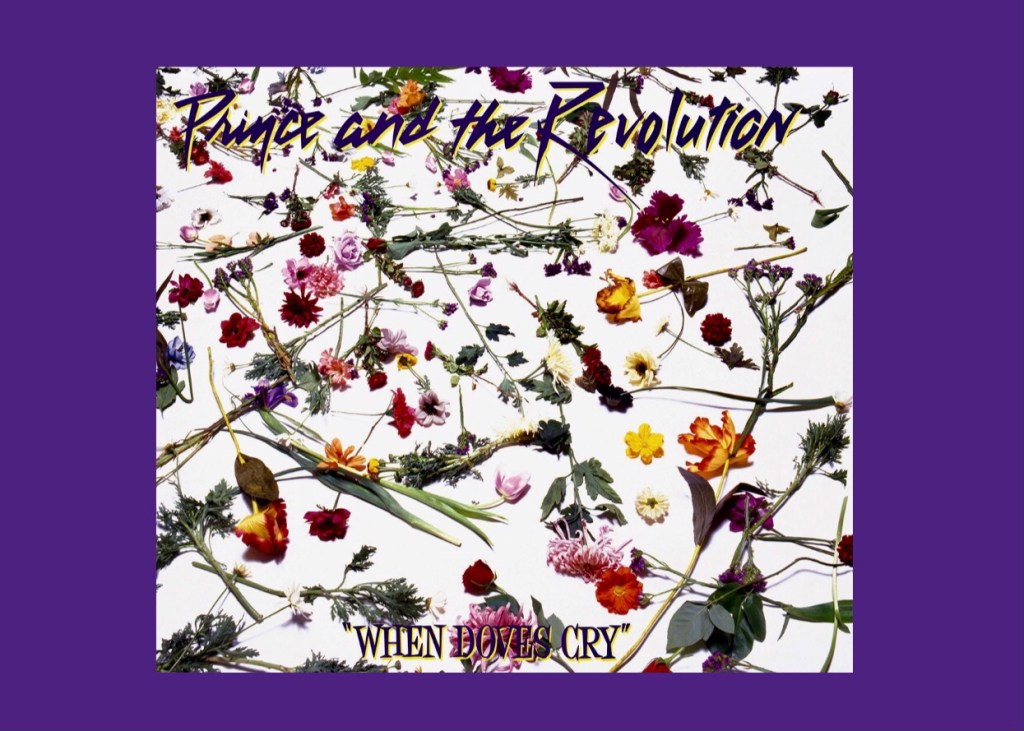
When I went outside to assess the damage after the storm passed, the first thing I thought of was the musician Prince. There were probably no doves, but as I stood on the back porch, I could hear hundreds (thousands?) of birds plaintively crying out, over and over and over. This wasn’t good.

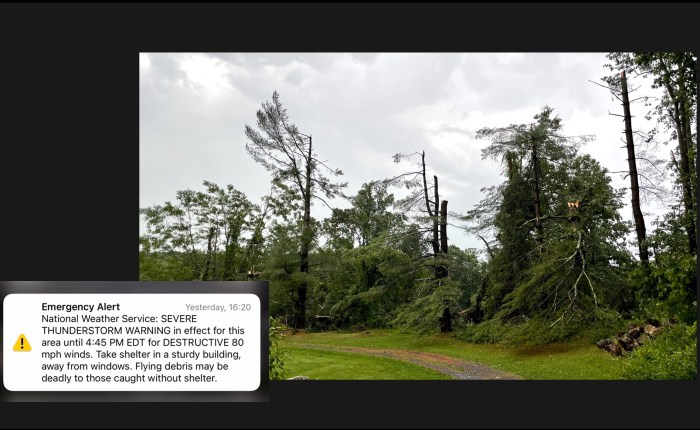
The forecast had called for thunderstorms, and as the afternoon progressed, I started receiving weather alerts on my phone for severe thunderstorms. Then at 4:20PM, my phone started chirping like crazy – it was an alert from the National Weather Service. 80 MPH winds were expected, take shelter immediately.

92 MPH Winds Actually DID hit Fauquier County that Day

A few minutes later, I looked outside. The sky was turning black. Suddenly, daylight was gone and it was a dark twilight. As I continued to look, the rain started and then suddenly, the wind forcefully arrived. Trees were bent over, seemingly almost in half.

Holy hell! I called for our dog, Carmen, (Cathy was out of town), and we went to the lowest part of the house near the wine room. Carmen and I sat on the steps next to each other. I was petting her back as we listened to the wind blow and the rain pour down. She shivered slightly. The lights flickered, and then the power went out. I counted to 8, and right on time, the generator kicked in and the lights came back on.

How long did we sit there? I’m not really sure. Maybe 5 minutes, maybe 10 minutes. It felt like a lifetime.

Eventually, the wind lessened, although the rain continued to fall in buckets. I moved back up to the kitchen and looked out the windows. The rain was still falling so hard, you couldn’t see more than a few feet. I posted to FB to warn people in Warrenton that craziness was on it’s way. The winds were moving so fast, I think my post hit FB about the same time the storm was raging through Warrenton.

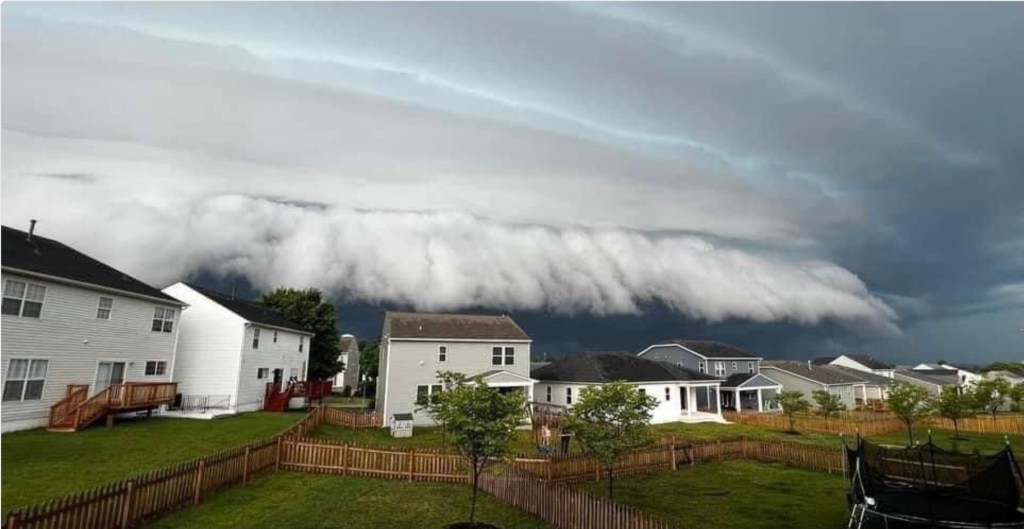
View of the Storm Approaching Warrenton (Photo courtesy of the Washington Post)

The rain finally lightened to a drizzle and I put on a jacket. Time to check on the horses, and the farm for damage. As I stepped out the door, I heard the birds crying and immediately thought of Prince. It seemed a strange thing at the time, but he literally popped in my brain. These weren’t caws, tweets, chirps, whistles, trills or croaks, they were cries. I don’t know what crying doves sound like, but I hope I never hear the sound of that many birds crying out again.

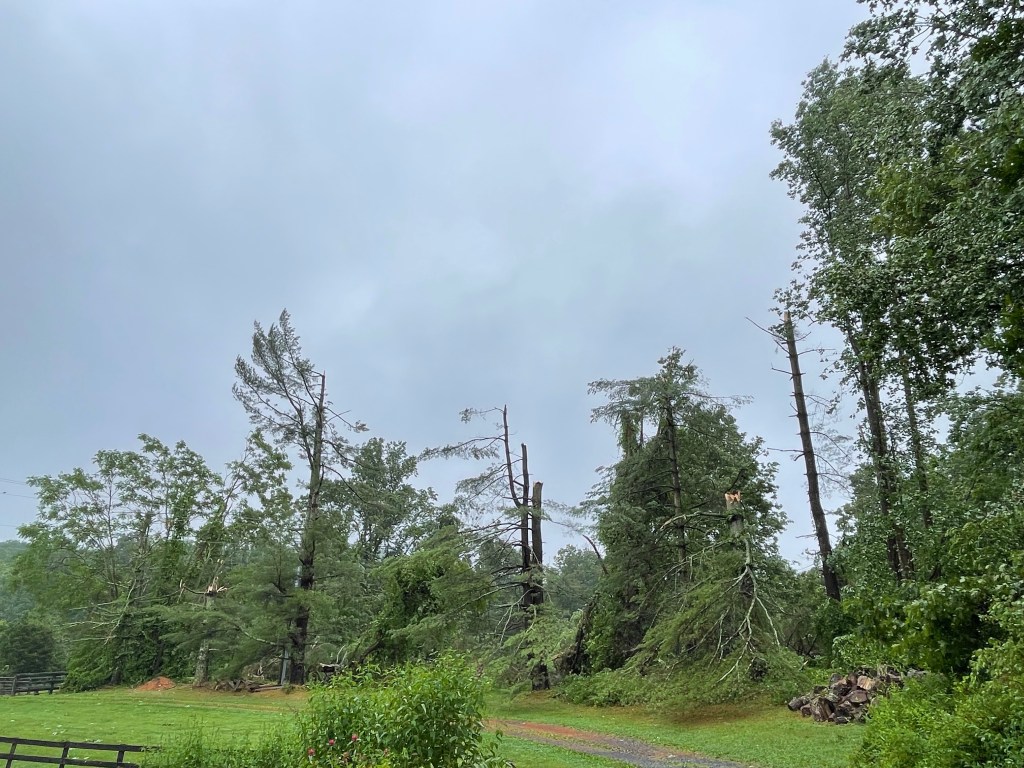
I circled the house and it was fine, although a garden trellis was knocked over and a grill cover had vanished. Not so bad, I thought, and then on the way to the barn, I saw the old pine trees on the edge of our property. Four out of five were sheared off. I felt an immediate sadness, as they were beautiful trees.

I’m Trying to Imagine the Speed of the Wind Gusts that did this. Even the Trees Still Standing had Most of Their Branches Stripped Off.

At the barn, the horses were fine, as was Ollie, our cat. By chance, I’d put him in the feed room an hour before the storm arrive to have an early dinner.

I continued my tour and found a tree down by the pond, and two trees down on the fence in the back paddock. I came out on Swains Road, which borders our property and stopped suddenly. At least four trees had fallen, blocking the road. There, I ran into my neighbor Kevin. He had just returned from doing his own tour, and was getting ready to start cutting up a tree blocking his drive and the road. I told him I’d be back in a bit with the tractor.

As I finished my inspection, I found a couple more downed trees, including one near our driveway and one blocking a dirt road on our property. It was time to get to work.

After dropping the bush hog from the tractor, I made my way back to Swains road. Eventually, using chain saws, my tractor, and a Jeep, there were three or four of us clearing a path on the gravel road. We weren’t Republicans, Democrats or Independents, we were just neighbors doing a job that needed to be done. It’s funny how that works sometimes. I wish it worked that way more often.

Just a Couple of the Trees that Fell Across Swains Road

Around 7:30PM, after checking on a next door neighbor that lives alone, I made my way back home. I put the tractor away, went inside, and made myself a drink and fixed dinner.

I learned that over half of Fauquier County lost power and numerous roads were closed due to fallen trees. A few homes and cars had trees fall on them. Miraculously, no one was killed or injured. The Washington Post shared a bit more information about the storm: “The violent winds were the result of straight-line flow called a downburst, which occurs when an exceptionally strong downdraft strikes the surface and the airflow surges outward along the ground, literally as a blast of wind. The strongest winds occur in the direction that the storm is moving.” According to the Post, a peak wind speed of 92MPH was recorded about a mile to the east of where we live.

We Live About a Mile to the West of the Orange Dot (Photo Courtesy of the Washington Post)

Here at the farm, we lost about ten big trees, including the pines by the house, two that fell on fences and others scattered around the property. One of Cathy’s Redbuds has two branches sheared off, and our beautiful magnolia in the front yard has half of its branches broken by a huge falling oak. Overall, we are pretty lucky. Cathy, Carmen, Ollie the Cat, the horses Stella and Katie. and I are all fine. There’s no damage to the house, and no damage to the barn.

The power came back on and the generator finally shut off 30 hours after the storm. I can hear chainsaws in the distance as the clean up continues. It will take some time.

The chainsaw sounds will eventually fade and disappear, but the sound I don’t think I will forget for a long time is all of those birds crying out in unison. In shock, in pain, calling for others, I don’t know. All I know is it was a plaintive and anguished sound.

A Farewell Dinner and a Letter

A Farewell Dinner and a Letter

High School graduation had come and gone, and the month of June was racing by. In just a few days, I would report to West Point. For our last night together, Cathy had the idea for an “adult” farewell dinner at her house. Never mind that we were just kids of 17 and 18.

How she was able to make it all happen, remains a bit of a mystery to me to this day. In addition to planning our dinner she asked her folks if we could have a bottle of wine with the meal. They agreed, and then checked with my folks to make sure they were OK with it. Amazingly, they agreed as well.

It was finally the last night in Ottawa. I arrived at Cathy’s just as her mom and dad were departing, along with her sisters, Cindy and Bonnie. I don’t remember where they went – maybe the movies or a drive in. All I knew is we would have the house to ourselves.

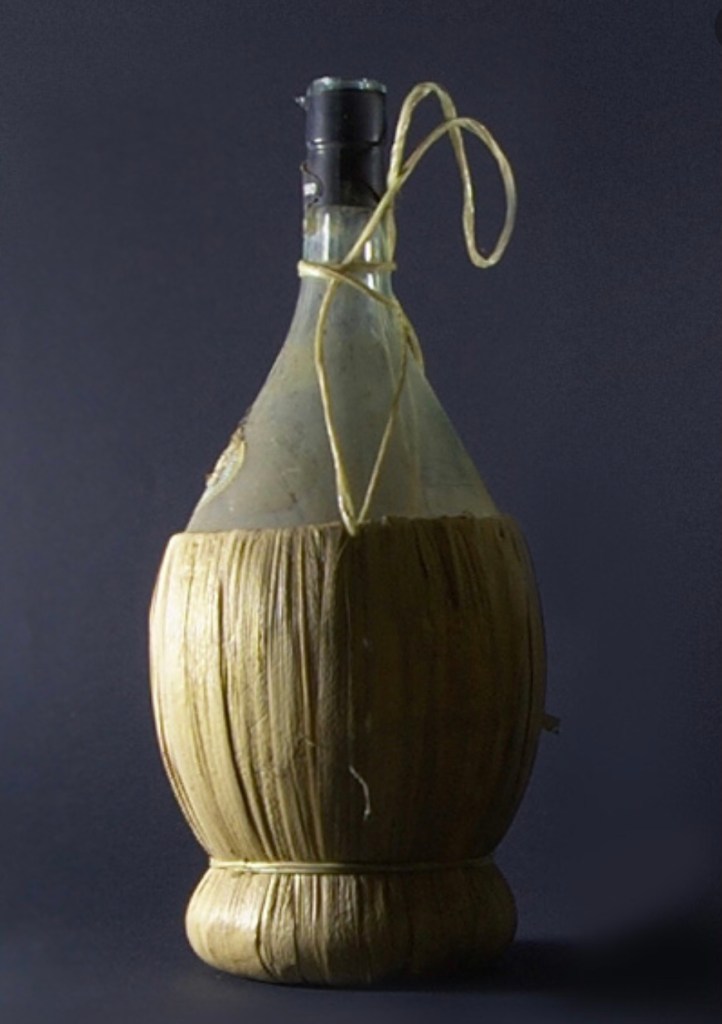
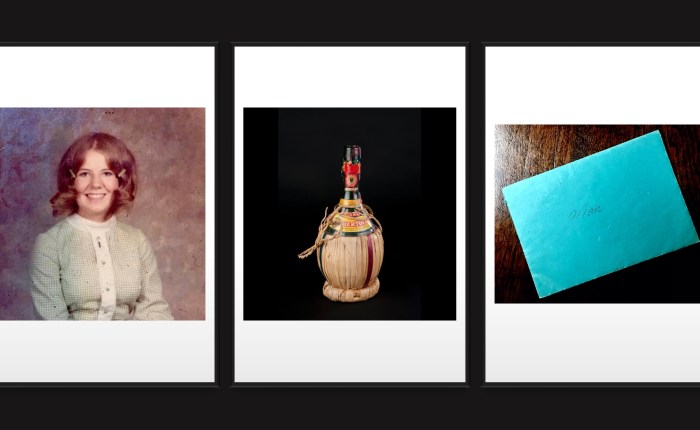
We opened the wine, a straw covered Chianti bottle, and sipped on it as Cathy finished cooking. She was making spaghetti with a meat sauce, a meal of hers I love to this day. As we sat down for dinner, she also brought out a salad.

Dinner was Served, Along With a Nice Chianti

It’s funny, in my minds eye looking back, we were both adults, and also kids playing at being adults. I don’t know if that makes sense, but it’s how I remember the night. It was somber and sad, and fun all at the same time. We finished dinner eventually and continued to sip on the wine until it too was gone. We talked about everything, and nothing. We talked of the future and when we hoped to see each other again. We promised to write… and finally, it was time for me to go home. We said our goodbyes, and then said them again several more times. Finally there was a long hug, a last kiss and I drove off into the night, with a crazy collection of mixed up feelings inside. I didn’t sleep much that night.

The next morning arrived. Normally, Dad would have had us up at oh-dark-thirty to depart, but for whatever reason, he decided to break the trip to New York into two days, so we were leaving around mid morning. We were finishing packing the car when my old buddy Howard showed up. We’d known each other since kindergarten, and he wasn’t going to let me escape without saying goodbye. We too promised we’d write each other when we could.

At this point, mom, dad, my two sisters, Howard and I were all standing in the driveway. As we were getting ready to leave, Cathy came racing up on her bicycle. We all stood there for a bit talking. If you’ve ever seen American Graffiti, it was a little like the final scene at the airport with Richard Dreyfus saying goodbye to family and friends, before he departs on the plane for college.

The Last Few Minutes of my Departure Weren’t Unlike Richard Dreyfus’s Departure at the End of American Graffiti

I hugged my sisters goodbye and shook Howard’s hand. Cathy and I had a final kiss, and as we were hugging, she pressed a letter into my hand. She whispered “Don’t open this ‘til later…” With that, mom, dad and I climbed in the car and with honks and waves, were on our way.

I looked at that envelope for a long time. I believe we were in either Indiana or, maybe, Ohio before I opened it. I probably read the letter about 50 times on the drive east, and another 500 times during my time at West Point. I won’t share the contents here, but know the letter still sits in a drawer on my side of the bed, and I occasionally pull it out and read it.

I Still Occasionally Read that First Letter from Cathy

I think about that dinner, and the letter. We were just kids in so many ways, but we were also adults, or thought we were. The world turned out to not be quite as black and white as we imagined it in those last 24 hours in Ottawa, but here we are, decades later, reminiscing about our past, and still thinking about the future and what it holds for the two of us.

Addendum:

It’s worth noting a couple of things from that pre-Internet era:

  • There are no pictures of that last dinner or the farewell the next day. Why? With no cell phones or iPhones to document the events, we simply lived them. Who’s to say which is better?
  • People actually did write letters to each other back in the day. Particularly that first summer at West Point, the letters that came from Cathy, Howard, mom and dad and others helped sustain me.

Dad and Al Capone

Dad and Al Capone

It was May of 1943 in Bizerte, Tunisia. My Dad, then twenty year old Sergeant Willie I. Hall looked at the German soldier and said “Chicago”. The German answered “Chicago?” Dad stared back. “Chicago. Al Capone”. Now the German’s eyes’ widened …

… After the battle at Maknassy, Dad’s unit, the 60th Regimental Combat Team (RCT) reunited with the rest of the 9th Infantry Division. In late April of ‘43, the push was on to finish the war in North Africa, and in the words of the division Commander, Major General Eddy, “A world spotlight will be focused on us from the moment we attack until we have killed, captured, or driven every Axis soldier from Tunisia…”

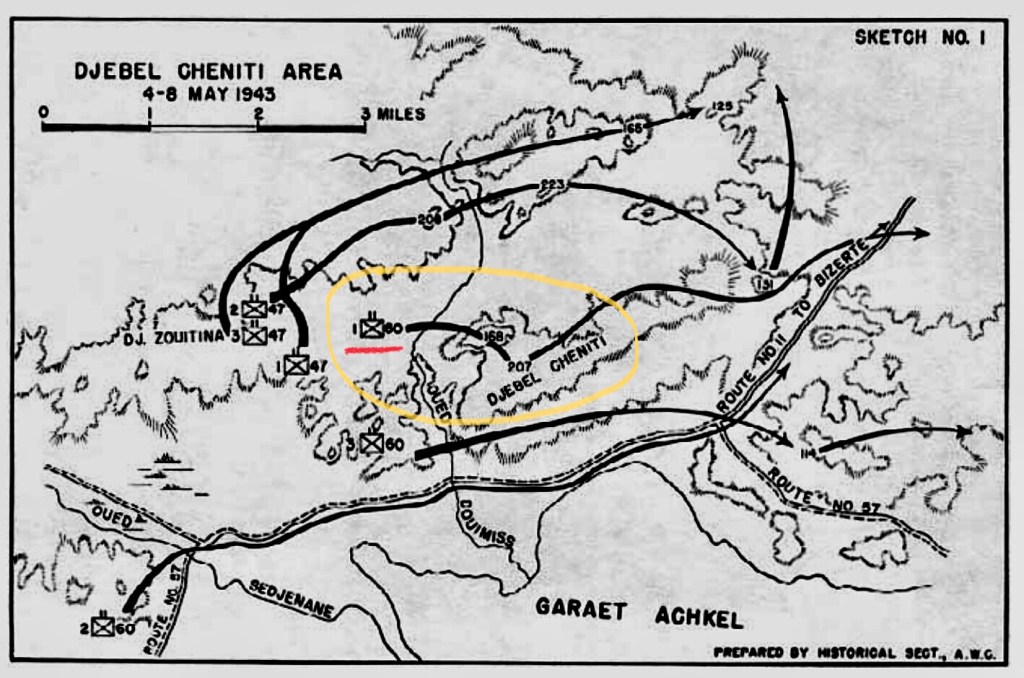
The history books tell us that as a part of their assault, the 60th, attacked through the Sedjenane Forest and after driving the Germans out of the area, hit a bottleneck at Djebel Cheniti. On May 5th, the 1st Battalion of the 60th (Dad’s Battalion – about 500 men) attacked Hills 207 and 168 (see diagram below) and Djebel Cheniti by a direct assault with fixed bayonets. You read that right. Fixed Bayonets. In the words of the 9th Infantry Division Record, “One of the strongest positions in the final Axis defense was assaulted by one battalion of Infantry, with artillery blasting a shell-strewn pathway for its advance. Another story in the annals of foot soldiers, who do the dirty tasks of warfare”. After several hours, they took the hills and Cheniti.

I never heard dad say a word about the battle at Cheniti. Not one.*

1st Battalion, 60th RCT’s Path While Attacking Djebel Cheniti and then Bizerte

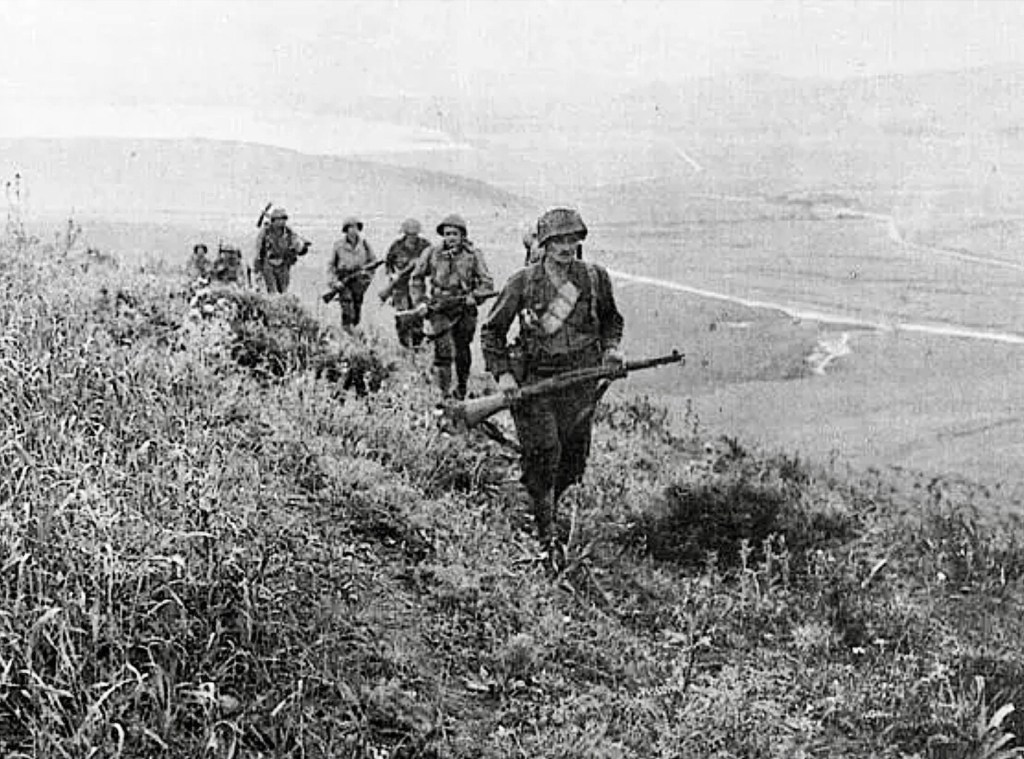
On the 8th of May, they arrived in Bizerte, and on May 9th, the Germans surrendered. The battle for North Africa was over. In the words of one soldier of the 60th, “We were all 20 pounds lighter and 20 years older.”

Soldiers of the 60th RCT in the Hills outside Bizerte, Tunisia on May 7, 1943.

At this point, I’m sure you are saying, “This is all great history Max, but what the hell does it have to do with your Dad and Al Capone?” Good question.

Now we come to the rest of the story.

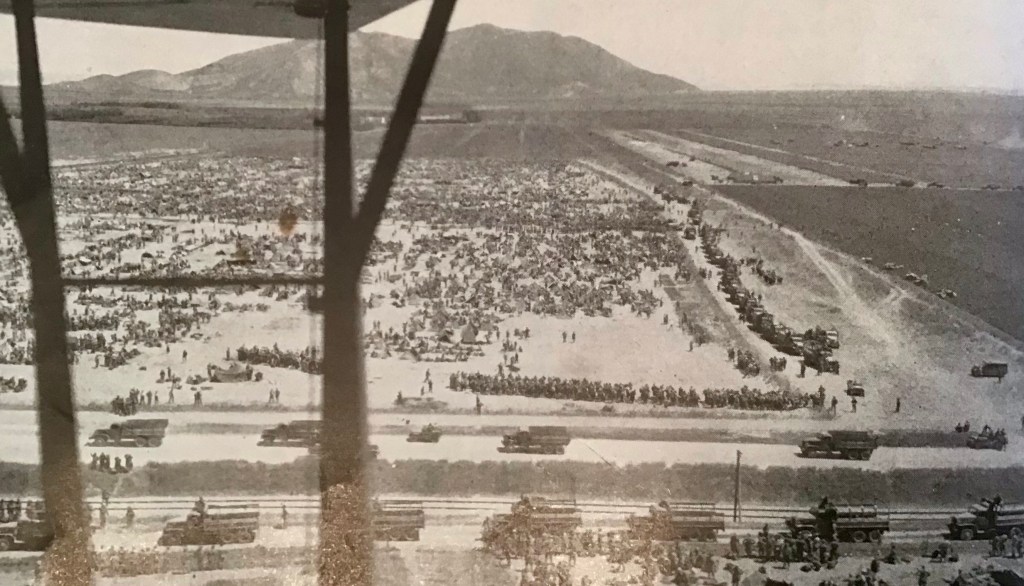
With the collapse of Rommel’s Africa Corps, the allies captured prisoners. A lot of prisoners. Over 275,000 Axis prisoners were taken in all, including 25,000 in and around Bizerte alone. This included General Jürgen von Arnim, the German Supreme Commander.

There were, of course, no prisons, so in the immediate aftermath they confined the Germans in large “holding pens” with single strands of barbed wire around each of the pens. The 9th, along with other units, were then drafted into guarding the prisoners until more secure facilities could be established.

Prisoner Holding Pens Near Bizerte, Tunisia

Dad talked about guarding the Germans and the Italians. You have to remember just a few days or weeks before, they were in a kill or be killed mode with the enemy, with plenty of butchery to go around. All that separated the two sides now was a bit of barbed wire. According to Dad, the Italians never had much fight, and the captured Germans knew they were beat, so they generally behaved. Still, you needed to be careful.

During the days they were on duty, dad’s platoon always guarded the same area, and after a while, they would recognize certain prisoners, talk a bit back and forth, and maybe even pass a cigarette across the wire. At the same time, Dad said he wanted to make sure he looked tough so no one did anything stupid.

As Dad tells the story, he was talking with a few of the Germans one day and someone asked where he was from. He answered “Illinois”, but the Germans looked confused. So dad thought about it a bit, and then trying to look a bit tougher he said “Chicago”. The German answered “Chicago?” Dad stared back. “Chicago … Al Capone”. Now the German’s eyes widened. Everyone knew who Al Capone was.

The German looked at Dad and said with a smile “Al Capone…. Ratatatatat….” While making a machine gun like motion with his hands.

Dad looked back at the German, nodded his head, patted his M1 Garand Rifle and without smiling, said “Ja, Al Capone.” The German stopped smiling and didn’t say anything else.

Dad always told the Al Capone story with a chuckle. When getting to the punchline, he would draw himself up to look bigger and meaner. But he was deadly serious about the Germans not trying anything. After what they had been through, I don’t think it would have taken much for him to put a bullet in someone, for doing something stupid.

A little over two months later, after a bit of rest and relaxation, Dad and the 60th were back in Combat against the Germans on the Island of Sicily. There, he was wounded and almost died. You can find a link for that story in the Addendum below.

Dad at the WWII Memorial in 2008.

Addendum:

* Except for the story of how he was wounded, Dad never said much about any of the battles he was involved in. For the most part, he told funny stories about events during the war. I was shocked when doing some research for this blog to find he had been involved in a charge with fixed bayonets. As a soldier, you know things aren’t going to be pretty when you receive an order to fix bayonets. That is combat at its most up close and personal. I have to figure that after you’ve been given the command to fix bayonets, and then taken part in a bayonet charge, everything else in your life, maybe for the rest of your life, must seem pretty easy. It may explain a bit about why Dad always had such a good attitude throughout his life.

Al Capone – As everyone knows, after being the Crime Boss of Chicago for much of the Twenties, Al Capone was incarcerated for tax evasion in 1931. He was released from prison in 1939, but wouldn’t die until 1947. He had a worldwide reputation for murder and violence that may have been the equivalent of his actual deeds.

You can read more about Dad almost dying in Sicily in August of ‘43 here: https://mnhallblog.wordpress.com/2016/05/14/wounded-in-sicily/

You can read more about the 9th Infantry Division in Tunisia here: https://9thinfantrydivision.net/battle-history/tunisia-battle/

The Palette of Our Life

The Palette of Our Life

Through Cathy, I’ve gained an appreciation for the colors that make up the palette of our life. As an engineer, the journey hasn’t been a simple one. Sometimes though, you can teach an old dog new tricks.

Over the decades, the two of us have seen life through different lenses.

For me, it has usually been about form, and lines and precision. It’s hard for me to say whether I was always this way, or I became this way. Did my childhood background start me on the road to becoming a military officer, an engineer and a business leader? Or was it something that was self-reinforcing over time? Even in my hobbies, whether running, or reading, or photography, there was a certain precision… trying to reduce my times on a run, or capturing greater detail in a photo, there was a linearity to it. The gauziness of color didn’t really register in my brain.

For Cathy, her view is much more about color and the senses. This is most obvious in our gardens. While our gardens are made up hundreds of plants and flowers, and requires much hard work on her part, it is the flow of color over the seasons that defines them. There are constantly changing colors and hues. Only a fool, or an engineer, would miss them and their beauty.

A Redbud in the Garden Last Spring

For years, I didn’t get it, or understand it. Or perhaps even worse, I didn’t think about it.

And then about seven years ago, I retired. There are many great things about retirement, and most retirees will happily enumerate them to you ad nauseam. For me, the greatest gift is the luxury of time. Time to do the things you want, or time to do nothing at all and not feel guilty about it.

One of the things I started doing with my time, was taking care of the morning feeding of the horses. It was easy enough, and made me feel like I was contributing at home. There was also an unintended consequence.

After feeding the horses, while walking back to the house, I would notice little bursts of color in the garden. Why were flowers blooming in February? And then March? And then everywhere by May? Our hillside garden was awash in color, both from the flowers, and the many hues of green from the plants themselves. Now mind you, these colors and flowers were there for years, but it was as if I was seeing them for the first time. Cathy had created all of this, and I was blind to it.

Some Photos of Just a Few of the Flowers in Cathy’s Gardens

Thank God, we all have the ability to grow, even when we appear set in our ways. As spring arrives, I walk through the gardens looking at the new growth and colors peeping out. This year is different than the past. Our hellebores, crocuses and daffodils are blooming at the same time, when typically they would bloom sequentially. The engineer in me wants to understand why, but it’s not stopping me from enjoying this beautiful March we are having.

I see color now, or perhaps a better description is I see more color now. Sure, I always saw the red, yellow and orange leaves of autumn, or the red white and blue fireworks on the Fourth of July, or a multicolored string of Christmas lights. Now, I also see the purple ground cover in a field in the spring, the mixed colors in a neighbor’s garden, the infinite shades of grey in the sky and sea on a cloudy day. I’m a better person for all of it.

On a Recent Drive to the Chesapeake Bay, a Sea of Purple…

I’m still Max and keep spreadsheets, to-do lists, and can be pretty anal about time. Happily, I’ve also gained an appreciation for color. I excitedly show Cathy pictures of her flowers and of the garden and she smiles at me. Even though she has seen those colors and flowers for decades, she’s a good partner and encourages me in my growing understanding of color, and of who she is.

It makes me feel pretty lucky.