Skating at Varland’s Pond

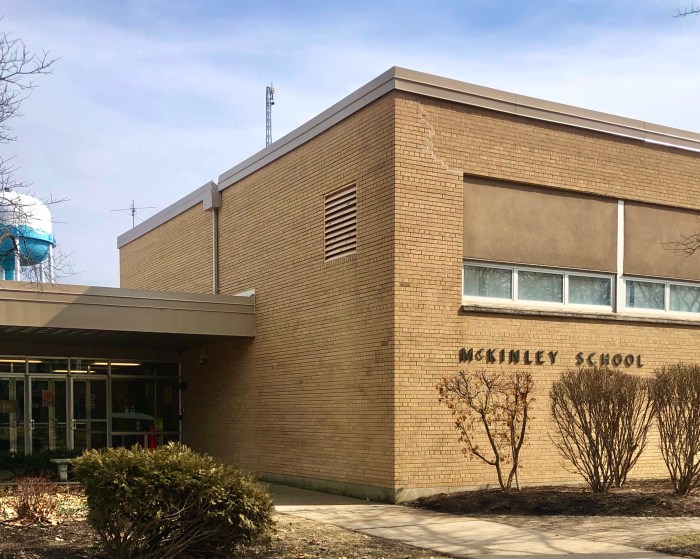
December of 1963 was cold in Ottawa, Illinois. The average temperature was 13 degrees, and it was as low as -18. This was cold, even by Illinois standards. I was in Third grade and my sister Roberta was in First. Our youngest sister, Tanya wouldn’t start kindergarten for one more year. Mom bundled Roberta and I up every morning and we’d walk the half mile to McKinley School together. Big brothers and younger sisters always have an interesting relationship – when we weren’t fighting, I like to think I was pretty protective of ‘Berta.

With the cold, the pond at Varland’s cow pasture, a block from the house, froze solid and after school, we kids went there to play on it. (Varland’s pasture later became Varland Park, and the pond was in what is now center field of the second baseball diamond). A few of the older kids had ice skates, but us younger ones just slid around the ice in our boots. That was about to change.

The Winter Olympics in Innsbruck, would start in January of ‘64. There was lots of talk of skating and skiing in the news and on TV. There was a young 16 year old by the name of Peggy Fleming who was particularly creating interest in figure skating. It spiked an interest in the winter sports, and lots of kids were hoping for skates on Christmas morning.

Christmas came and the three of us kids tore open our presents. Roberta and I were both excited to receive skates and wanted to head to the pond immediately to try them out. Common sense (and mom) prevailed, and we finished opening our presents and had breakfast. Then it was time to go.

We bundled up, grabbed our skates, and ran to the pond. It had snowed the night before, so Dad came along with a shovel to clear the pond surface. We arrived, and a couple of other kids were already there skating. As dad slid around with the shovel clearing the snow, Berta and I shucked our boots and tied on our new skates. Roberta finished first, stood up and skated off with hardly a wobble. She moved with ease and skated around the pond. Then it was my turn. I stood up and whomp! Down I went. Up again, a step or two and whomp! Down I went. I was like an extra in a Laurel and Hardy movie – you know the guy with arms and legs flying all over the place before comically falling to the ground? That was me.

Roberta and I at Christmas, a few years before she kicked my ass ice skating

Roberta, of course, had figure skates, while I had hockey skates. The thinner blade of the hockey skates, combined with the lack of a toe pick was causing me problems. The fact I was always a bit clumsy as a kid didn’t help any either. Dad went back home, while Berta and I stayed at the pond. The morning went on and Roberta continued to skate beautifully. Me? I finally started to move and could skate across the pond, although turning and stopping were still a problem. Eventually, it was time to go home and get ready to go to Grandma and Grandpa’s house for Christmas Dinner. We changed from our skates back into our boots. Our feet were frozen blocks of ice and it was hard to walk at first.

Over the coming months, the weather stayed fairly cold and we skated many times. After school, we’d head to the pond, but on weekends dad took us to the slough from the Illinois River on the East Side, or downtown to the Illinois & Michigan Canal. The canal hadn’t been used for boat traffic in decades, and the city flooded one section to make a skating rink. My skating finally improved and I was able to join in with the pick-up hockey games going on. Roberta continued gliding effortlessly around the ice with the other girls. At the canal and the slough, there was an added bonus, as there was usually a fire built on the edge of the ice where you could warm up.

I remember skating at the slough and the canal that winter, and the fun we had with all the other kids. But my lasting memory was skating at Varland’s Pasture on Christmas Day. In my mind’s eye, I still can see my younger sister Roberta looking like Peggy Fleming gliding across the pond that morning. She sure didn’t need any protection that day.

Addendum:

Thanks to Roberta for contributing to this blog. She and I have almost exactly the same memory of that Christmas morning – her gliding off, and me stumbling all over the place. It’s actually eerie how identical our memories of the morning are. You’ll have to ask her if she was secretly laughing at her older brother….;-)

Peggy Fleming finished in 6th place in figure skating at the Innsbruck Olympics. Four years later, she would win gold at Grenoble, France. She was the only American to win a gold medal in ‘68.

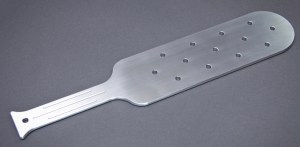
The skates in the picture are Roberta’s from later in life. When she had her own children, she bought them skates one year for Christmas. She bought herself a pair as well. They currently hang on a nail in her garage

This graph shows the daily temperature readings in December ‘63. It really was quite cold. It looks like it warmed up a bit on Christmas Day.

Grandma’s Date Nut Bread

I still remember Grandma Grubaugh’s Date Nut Bread and how wonderful it tasted at Christmas time. It was always good, but if you were there when she pulled it out of the oven, you’d cut off a slice, put a knob of butter on it and watch the butter melt into the bread. It was delicious.

Grandma made the bread at both Thanksgiving and Christmas. Talking with my sisters and cousins, we all loved her bread in our youth. Not only did it taste great, it looked different than other nut breads. First, there was the color – it was a rich dark brown, unlike the light brown of most nut breads. And second, Grandma’s loaves were round, which made it more fun than a regular loaf of bread. Years later, I learned the secret behind both of those differences.

Grandma and I at Christmas in 1956

When we were young kids, Christmas dinner was at Grandma and Grandpa’s house. In addition to turkey and all the trimmings, Grandma’s Date Nut Bread was served. Later, after grandpa died, mom and dad, and the other uncles and aunts hosted Christmas at their own homes. Sometimes we were all together, but eventually, each family held their own Christmas. Grandma went to a different home each year, but always delivered a loaf or two of the Date Nut Bread to everyone’s house ahead of time. They arrived frozen and wrapped in aluminum foil. All you needed to do was thaw it out.

Time passed. I went away to West Point, and then the Army. Any time I was home, I’d stop by to see Grandma. Usually, it was during the holidays, and she’d pull out a loaf of Date Nut Bread, butter, and a glass of milk for me. We’d sit at her kitchen table and talk, while I ate a slice (or three) of the bread. I always told her how much I enjoyed the bread, and would love the recipe. She’d say “I hain’ta gonna give it to you now, but I will one day.” (“I hain’ta gonna…” was one of Grandma’s all time famous phrases. Grandma spoke well, but, “I’m not going to” wasn’t in her vocabulary. Neither was “I ain’t going to”. It was “I hain’ta gonna” pure and simple.)

Four of Grandma’s “Baking Cans”

“One Day” finally came, around Christmas 1989. We’d returned from Germany and I hadn’t seen Grandma since we departed in 1985. We hugged each other and I sat at the kitchen table. She brought me some of the Date Nut Bread and a glass of milk. As we talked, she got up from the table, went out on her porch, and returned with 4 empty vegetable cans with the labels removed. She handed the cans to me, along with a piece of paper with the recipe on it. The empty cans were what she cooked the Date Nut Bread in. Years ago, Grandpa had filed the open edges of the cans down until they were smooth and Grandma used them to make the bread.

I baked the bread for Christmas at my mom and dad’s house that year. Looking at the recipe, I realized why the bread was such a dark rich color. Grandma soaked the dates in hot water, before adding the water to the recipe. This turned the water a dark brown color, which then colored the whole loaf. Grandma pronounced my version of the bread “pretty good” when she came for Christmas dinner. That was about the best compliment you received from Grandma.

Grandma’s Date Nut Bread recipe… including “Nutmeats”…

Lillian Henrietta Grubaugh died in December, 1996. She was 91 years old. I’ve made the recipe off and on over the years, and never fail to think of Grandma. Like Ebenezer, we nostalgically remember Christmases past, particularly from our youth. Often times, rose colored glasses are involved. That’s not the case with Grandma’s Date Nut Bread – It’s still delicious after all these years. With lots going on in our lives these days, I’m feeling a bit nostalgic myself and I plan to add some Date Nut Bread to our Christmas festivities this December. I’m sure Grandma will be there with me, while I’m baking the bread.

Addendum:

– Note the recipe makes 8 loaves. When Grandma gave me the 4 cans, she was holding onto the other 4 cans. I believe she told me she was going to give them to to my cousin Janice, but when I recently spoke with Janice, she didn’t have them. I don’t know if someone else ended up with the cans, or they were thrown away after she passed away. They were in a box on her back porch, and someone may have confused them for trash.

– A couple notes about the recipe – I use butter instead of the shortening or margarine called for. The recipe halves nicely, if you only have 4 cans or 4 small loaf pans. You could cook it in a regular bread pan or 2, but I’m not sure of how much time it would need to bake. Probably a bit more than an hour

– Thanks to Cathy, my sister Roberta, and my cousins Janice and Don for adding to parts of this story. They definitely filled in details, and confirmed some of my impressions from back then.

Gaining Nine Pounds in a Day

It’s not easy to gain nine pounds in a single day. It requires a bit of focus and dedication to make it happen. I did it on Thanksgiving Day of my Plebe year at West Point.

My Plebe Picture…

I had reported to West Point at the start of July that year. As a Plebe, you were under what is known as, the Fourth Class System, which prescribed everything you could and couldn’t do. One part of the system specified how to eat your meals in the dining hall. As a Plebe, you were required to eat meals while sitting ”at attention.” You sat on the edge of your chair, with back erect and your hands in your lap. Your “beady eyeballs” focused on the West Point crest at the top of your plate. As you ate, you put a small bite of food on your fork, transfer the bite to your mouth, put the fork back on your plate, put your hand back in your lap, and only then start to chew your food. Once you swallowed the bite, you could repeat the process. Of course you were in trouble for taking too big of a bite, not chewing your food enough, starting to chew before your hand was back in your lap…. you get the idea. Plebes tended to stay a bit hungry.

Now, if you were a member of an Intercollegiate team, you sat at a table with the other members of your team. The upperclassmen at your table let you eat like a regular person, fostering team unity, while also serving as something of a reward to the Plebes who made the team.

In September it was announced they were holding Plebe tryouts for the Wrestling team, and if interested, report to the gym on a certain day. In high school, I’d wrestled for four years and did well enough to Letter, but that was about it. Wrestling in college had been the last thing on my mind. Given the Fourth Class system, I decided to give it a shot and reported to the gym on the given day. They paired you with other Plebes your size and you wrestled. If you won, you came back the next day for a second match. The first day, I pinned the guy I wrestled. I came back the next day and amazingly, pinned my opponent that day as well. Evidently, I found food a powerful motivator. Two weeks later, they notified me I made the team. Life was about to get better.

On October 1st, after three months of eating at attention as a beanhead, I reported to the Corps Squad (Intercollegiate) wrestling tables, and started eating like a human being. This was great, except for one small problem. For any of you who have been around wrestlers, you know we are almost constantly trying to cut weight. At the time, my natural weight was about 174 pounds, but my wrestling weight class was 157. My weight was down a bit as a Plebe, but getting to 157 still meant dieting most of the time. You can see my problem – although I was finally able to eat normally, now I couldn’t eat as much because I was trying to cut weight. I had created my own Faustian dilemma.

Wrestling Practice….

Time passed and I was cutting the weight. By mid-November I was around 157, sometimes a little above, sometimes a little below. Thanksgiving Day arrived and we had practice in the morning. I weighed out after practice at 156 1/2 pounds. Coach told us to take it easy, and not overdo it. I heard what he said, but it must not have sunk in.

Later, our Thanksgiving meal was served and I ate, and ate, and ate some more. That night, I was still hungry and ate leftovers and snacks. Friday came and boom, boom, boom, I was like a locomotive engine needing to be stoked with more and more food. I pigged out at both breakfast and lunch. That afternoon, we had practice and unfortunately coach was there for our weigh in before practice. He put the scale at 157 and it didn’t budge. He slid the weight right, and there was no movement. Further right… further right…Finally, at 166 pounds the scale balanced out. Coach looked at me. I looked back, wisely choosing to say nothing. He started to ream me out, then stopped and just said “go.”

I chuckle when I tell the story now. I have no idea why I went on the eating binge. My guess is there was some mental reaction to being away from my family and home on Thanksgiving for the first time, but I don’t really know for sure. I’d certainly gained 3 or 4 pounds overnight while wrestling, but 9+ pounds was something new for me.

As a Plebe, even with cutting weight, sitting at Corps Squad tables was infinitely better than sitting at regular company tables. For that, I’ll always be grateful to the sport of wrestling. It also gave me a piece of trivia I occasionally pull out for laughs – I mean, how many people can say they gained 9 pounds in a single day?

Addendum:

– I wrestled in a couple of matches my Plebe year, but mostly I served as a practice partner for varsity guys. As a Yearling (Sophomore) I decided not to rejoin the wrestling team. I knew I’d never really be a good wrestler at the college level, and there were many other, and perhaps better, ways to spend my time.

– My name was evidently captured on a list of West Point Wrestlers somewhere in an archive. About 5 years ago, I started receiving monthly updates on the status of the current Army Wrestling team. The current teams look much bigger and better than anything I remember.

Snooks and his Lasagna

When I first tasted Snooks’ Lasagna as a kid, I thought I’d died and gone to heaven. After marrying Cathy, and finding out she had Snooks’ recipe, I knew I’d gone to heaven. It’s the best lasagna in the world.

Snooks Grobe in an undated photo

Snooks and Isabelle Grobe were friends of my parents. His real name was Dallard Anthony Grobe, but no one called him that. As a matter of fact, I think he was only rarely called Tony – usually it was just Snooks, a nickname from his early days. We kids all thought he looked a bit like Jimmy Durante. He and Isabelle lived on the south side of Ottawa, on Allen Street. Although my folks knew them from church, I think the real friendship grew from the four of them getting together with other couples and playing Pinochle or Euchre in the evenings. Both were big card games in Ottawa, and I suppose Illinois in general.

As a child, while I remember going to their house with mom and dad for the card games, what I really remember was the smell of the lasagna cooking when you entered their home. It was wonderful. Eventually, it was taken out of the oven, and you were given a piping hot piece with a caution to be careful, or “you’ll burn the roof of your mouth!” I don’t recall ever being cautious, or burning my mouth. I do remember how delicious it was, and inevitably, I’d have two or three pieces, until mom would say “quit acting like you’re starving and never fed at home!”

Over the years, I saw less of Snooks and Isabelle, but I always remembered his lasagna. At the time, the recipe was “a secret” and supposedly never shared. Somehow though, mom ended up with a copy. She made Snooks’ Lasagna once or twice growing up, but not often. It was a bit labor intensive, and so mom usually made her all-day-simmer spaghetti sauce if we were eating “Italian”.

Time passed. Cathy and I married and the Army sent us overseas to Germany. One night I came home from work, and as I entered the house, there was a wonderful smell. I asked Cathy what was for dinner and she said “lasagna.” I laughed a bit and told her the story of Snooks and his lasagna. Cathy looked at me like I was stupid, and finally said “this is Snooks’ Lasagna – your mother gave me the recipe…” Sometimes, things don’t measure up to your memories – this was NOT one of those times. The lasagna was delicious, and just as good as I remembered. I think the cheese mixture in the recipe is what really made it special. I’m sure I ate two or three pieces, and washed it down with wine instead of the milk of my childhood. Thankfully, Cathy didn’t tell me to quit acting like I was starving.

For the past 40 years, it’s been a go-to recipe for Cathy. It’s still delicious, and I still get excited when she makes it. As I was recently searching around for my next blog idea, I thought Snooks’ Lasagna might make a good topic. I mentioned this to Cathy, and she immediately said “I’M NOT SHARING THE RECIPE! DON’T EVEN THINK ABOUT IT….”.

Cathy’s copy of Snooks’ Lasagna recipe

Now the story gets a bit more interesting. In doing some research, I reached out to Charlean Grobe, who was my Kindergarten teacher and Snooks daughter-in-law, and is also a current Facebook friend (yes, Ottawa was a fairly small town, and almost everyone knew everyone else). The following is information she provided.

The recipe actually came from the mother of a girl Snooks’ son, Bob, dated in high school. Bob was at the girl’s home for dinner, loved the lasagna and asked the mother for the recipe. The mother gave him the recipe, and he then gave it to Snooks to see if he could recreate it at home. In another twist to the story, Bob eventually stopped dating the girl, and later met and married Charlean. Charlean told me “Now I don’t know if dad Grobe tweaked it or not, but it became Tony Grobe’s recipe.

Charlean also told me the lasagna was served at an annual Antique Auction the Epworth United Methodist Church held as a church fund raiser every year. It was a two day event and people came from Iowa, Wisconsin and Illinois. The Friday night dinner was lasagna, salad and dessert. The dinner was a big deal and brought customers in for the show. Snooks made the lasagna in the beginning, and used large pans, not the 9″x13” dish called for in the recipe. Originally, he was making 6 pans, with 12 huge pieces in each. As the auction grew larger, there was a crew under Snooks’ direction making the lasagna, and they were up to 14 pans.

Snooks passed away in 1977. He had given the recipe to others, so his lasagna was still made at the church for several years after he died. With Snooks no longer there to supervise, the church replaced him with an entire committee, and in the ‘80s, they were up to 18 large pans of lasagna with 18 pieces in every pan. Eventually, the recipe was included in an Epworth Church Cookbook. You know the type of book – a collection of recipes from the congregation, gathered into a soft cover cookbook and sold to raise money for the church.

I mentioned all of this to Cathy, in the hope she would reconsider including the recipe in this blog. Her answer was an emphatic no. “I’m not letting you publish the recipe. If you do, don’t bother coming to bed. If someone wants it so bad, they can go look for the cookbook.”

Sorry, this is as close as you’ll get to the full recipe… 😉

So there you have it. You can certainly enjoy the lasagna at our home. And I’m sure there are copies of the recipe still floating around Ottawa, and among the Grobes. I think your best bet is to look for an old copy of the Epworth United Methodist Church Cookbook. It may be a difficult find, but trust me, it’s well worth the effort.

Addendum:

It was great fun exchanging texts with Charlean about Snooks and his lasagna. She obviously loved him very much, and was quite generous in sharing information about him, their family and the lasagna. The last thing she shared was “He was a great guy, loved by many, and always enjoyed dressing up. He handed out gum to all the kids at church…. He taught me how to build steps, recover furniture, and sure knew how to catch mice. He was someone who could do just about anything.” Charlean’s husband Bob passed away several years ago and she now lives in Texas with her daughter, Brenda.

Shipping Bier from Germany

Shipping Bier from Germany

It was only slightly problematic to ship kegs of bier from Germany to the United States in the ‘80s. I’m told the statute of limitations has probably expired for any crimes we may have committed…..

In 1980, while stationed with the 123d Signal Battalion, 3rd Infantry Division, in Germany, we were introduced to Kloster Kreuzburg (Kreuzburg Monastery). The Kreuzburg, for my money, makes some of the best beer in the world. It is a dark bier, brewed by monks. As a matter of fact, they’ve brewed it since 1731 and know what they are doing. People think of dark bier as heavy, and perhaps bitter. This was neither. We called it “Smooth Dark Bier” and drove an hour and a half one way to drink “SDB”. The bier was great, the food was good, and it made a fun day. On Sundays, they stopped serving from 11-11:30AM, during morning prayers. If you already had a mug, you could keep drinking, but you couldn’t order another one until prayers were over. There was always a line about 10:45AM.

At Kreuzburg, they didn’t bottle or can their bier, and they didn’t ship kegs anywhere else (they still don’t). If you wanted to drink Kreuzburg, you had to go to the Monastery. The only way you could take any with you was to buy a keg, which Cathy and I did a couple of times for parties. It was actually a threefer….you could drink Kreuzburg the day you picked up the keg, drink it again at your party, and then have it a third time when you returned the empty keg a few weeks later.

If you visited us in Germany during the ‘80s, there’s a good chance we took you to the Kreuzburg. Our good friend Tim visited us several times then and we made a few pilgrimages to the Kreuzburg. He also became a great admirer of the Smooth Dark Bier.

Tim and Cathy at Kloster Kreuzburg in the early ‘80s

In 1986, while stationed in Worms, Germany I received a letter from Tim (remember letters? In the pre-Internet age people used them to communicate. We rarely called between Germany and the US because of the expense). He had a proposition for me. The holidays were approaching and he wanted to know if I was willing to buy a couple kegs of Kreuzburg Bier for him. He thought he found a way to ship the kegs to Chicago. It turns out if you work for a company that processes custom’s paperwork for firms in Chicago, you know people who can “facilitate” certain activities.

I quickly sent a letter back saying I was in, and to let me know what to do.

A few weeks later, the phone rang one evening. It was Tim, and he explained the plan. It turns out when shipments are made by jet, they load the shipped items into large, securable containers. Inevitably, there’s a bit of empty space in the container – maybe the exact amount of space needed to hold a couple kegs of bier. Once our merchandise was added, the container would be locked and loaded on the plane. When the plane landed at O’Hare Airport in Chicago, a “friend” would retrieve the kegs, and arrange for Tim to pick them up. Tim was just waiting for his Chicago friend to find a partner on the German side and we’d be in business. Once the German contact was identified, I’d receive another call saying where and when to meet him with the kegs.

A couple more weeks went by and the call came from Tim. We were on. I was to meet Jürgen in ten days at 2PM. We would link up at a specific Lufthansa freight dock in the industrial part of the Frankfurt am Main Airport.

A Kreuzburg bunghole tap

I drove to Kreuzburg a week later. After having a liter or so of bier and lunch, I bought the two kegs. The clerk also gave me two bunghole taps. German kegs, or at least Kreuzburg’s, were air fed, and I suppose naturally carbonated. You’d put a tap in the top, and one in the side, open the tap on top, and then pour at will from the side tap. I paid for the kegs, along with a return deposit, and drove the two hours home to Worms.

Cathy and I talked and decided to see if we could get Jürgen to take a bottle of German sparkling wine (Sekt) as well. We thought we’d try and add a surprise gift for my mom and dad, in the shipment.

Delivery day arrived and I made the trip to Frankfort Airport. I drove through the freight entrance (pre 9-11, security was pretty lax) and found the right loading dock, where there were five or six guys sitting around. I got out of the car and said “Guten Tag, ist Jürgen hier?” (Good day, is Jürgen here?). Jürgen identified himself, and looked a bit cautious. The two of us moved off to the side and I explained who I was and I had the two kegs of bier. All of a sudden, we were old buddies. Jürgen called one of his workers and we went to the car and unloaded the kegs. As we put the kegs on the dock, I handed Jürgen the bunghole taps, and asked if he thought they could also take the bottle of Sekt. He looked at me as if I was crazy and then laughed and said “Sicher! Warum nicht?” (Sure! Why not?). We shook hands, I climbed back in the car and drove home.

Prosit!

Three days went by and the phone rang. It was Tim, and the merchandise had arrived, including the Sekt. We laughed about making this whole crazy thing work. A few days later, the first Keg was consumed at a Holiday Party at Tim’s office. The second Keg went to a party he and our friend Howard were having at their apartment in Chicago. It was a good Christmas all the way around.

——————-

The story doesn’t end there. After a couple months, I started thinking about those kegs and the deposit we paid. I sent Tim a letter asking about returning them via my APO address (Army Post Office). If we could mail them cheaply enough, returning the kegs for the deposit would make some money back. A while later, Tim sent the kegs and I made another trip to Kreuzburg.

I went to the keg window to turn them in, and the clerk opened the register book looking for the kegs. Every keg at the monastery had it’s own serial number, (remember, this is Germany, and there WILL be order!) so this is pretty straight forward. He found the serial numbers, looked at the book for a bit, then looked up at me and said “these kegs were already turned in.” I looked at him, looked at the two kegs, and looked back at him. “I don’t think so”. He answered back “See in the book? They were already returned.” Silence. I pointed at the serial numbers on the kegs and said “but you can see they are right here.” More silence. He then said “let me get the monk in charge of the cellar.

A few minutes went by and he returned with the monk. “What is the problem?” I answered “I have two kegs to return.” The clerk chimed in “but they were already returned.” The monk looked at the register. He then looked at the two keg’s serial numbers. He looked back at the book, and finally he looked at the clerk. The clerk stayed quiet. The monk reached into the cash register, counted out my deposit, handed it to me, and thanked me for returning the kegs. As I walked off, I heard him tell the clerk they would discuss this later.

Now, I don’t know what really happened with the register. Maybe someone marked the kegs as returned to help something balance out. Or maybe so much time went by, someone marked the kegs as returned and pocketed the deposit. As much as I would have enjoyed listening in on the conversation between the monk and the clerk, it was almost 11AM, and they would soon be closing for morning prayers. I walked over to the bier window and ordered myself a half liter of Smooth Dark Beer. It seemed a better way to spend the day.

Addendum:

Tim and I were laughing about the story recently. Of course these days, post September 11th, there’s no way you could ever do this type of thing. The security structure is much, much stricter, and you would spend a fair amount of time in jail if caught. We’d never attempt it now, but at the time, it seemed a fun challenge.

If you are visiting Germany and in Northern Bavaria, I can’t recommend Kloster Kreuzburg enough. It’s a bit out of the way, but well worth the detour. If you want more info on Kloster Kreuzburg, you can find it at: https://www.kloster-kreuzberg.de/content/kb_brauerei.php . They had Saint Bernard dogs they raised at the Monastery, and you could pet them when you visited. The line has since been retired. There were also beautiful grounds you could walk, including a trail with the “Stations of the Cross.” In all of our many visits to the Kreuzburg, we actually only walked the “Stations of the Cross” once when we stayed over night at the Monastery. The rest of the time, we headed straight to the Bier Stube (Beer Room).

* Bunghole Tap picture is courtesy of Tim. He still owns the tap itself as well.

Win or Go Home

What a tumultuous season. Back in May, at 19-31, 12 games back, the Nats were already written off by many. Now? A one day pause between the end of the regular season, and the Wild Card winner take all, one game playoff. Will they win Tuesday night? I haven’t a clue, but I’m sure glad we have the opportunity, and I’ll be there tomorrow night.

The Nats, our Nats, gave us the ride of a life to get to this point. Yes, we’ve won four Division titles in the past. This season was something else. After that opening disaster, they played some of the best baseball in the League, and slowly clawed their way back.

I have to admit, I felt like a kid from the end of August, through the end of the season. I was following the Nats, but also watching the other teams in the hunt. Although Atlanta had a lock on first place in the division come September, what was everyone else doing? In the morning, I’d check online to see what Philly, the Mets, Cards, Cubs and Brewers did the night before. The tension of a mini losing streak in September only added to the angst. Finally, taking five from Philly and then sweeping Cleveland put us over the top.

There were lots of injuries along the way, and it feels we are now mostly past that. The bullpen is still a semi-disaster and my stomach grumbles every time I watch a game and it gets to the seventh inning. This is different. It’s the playoffs and we’ve got three solid starting pitchers, a team that’s hitting well, and home field for the one and done wild card game. I like our chances for Tuesday.

Will we win? I haven’t a clue. I do know I’ll be there, in the same seats we always have, section 219, Row D, seats 1-4. If we make it past Tuesday, the Dodgers better be ready to play. If we lose? I’ve never thought much of “moral victories”, but I’ll always remember the feelings I had in late August and September of this year.

The Knife Fight

Specialist Waters approached me and said “Hey L.T., Jones has a knife and he’s going after Willie.” — “What?” — “Sir, Jones is here in the Club and has a knife. He’s looking for Willie Kimbrough.” I looked where Waters was pointing, and sure enough, there was Jones walking through the Club with a partially hidden knife in the hand by his side. “Shit.”

Buck Knife with a three inch blade – the knife of choice back in the day…

It was 1980 and Cath and I were stationed in Würzburg, Germany. My unit, the 123d Signal Battalion, 3rd Infantry Division, occupied Hindenburg Kaserne (barracks) across town from the Division Headquarters. We were the only unit on the Kaserne, which had both advantages and disadvantages. One of the disadvantages was as a Lieutenant, or Captain who wasn’t a Company Commander, you pulled Duty Officer about every three weeks.

As Duty Officer, after everyone else left at the end of the day, you would do another 12 hour shift, along with a Duty NCO. Your main jobs were to make sure everything stayed peaceful, address any issues that came up, and if an alert happened, start the telephone chain recalling officers and soldiers living off post. Two hours after an alert was called, we would start rolling our units towards the East German or Czech border.

The post Vietnam Army in Europe was a bit of a wild west show. We were migrating from a draft Army to the all volunteer force. There were still drug and alcohol problems among several of the troops, sometime morale issues, and certainly maintenance and training issues. The result of all of this was you never knew for sure what kind of night you were going to have as Duty Officer. Weekends and paydays were typically worse, as everyone was letting off pent up energy from the week. While most tours as Duty Officer were calm, I’d previously dealt with a soldier who slashed an artery in his arm from punching out a window. That was certainly a fun night, watching the blood spurt out with each heartbeat. We stopped the wound with pressure and he survived after going to the hospital. I’d also broken up a couple of fights, but there was nothing too serious.

On this particular Saturday evening, things started out calmly enough. I’d made a couple of tours of the Kaserne and things were fine. Around midnight, I walked around again, and went into the All Ranks club. That’s when Specialist Waters approached me and said “Hey L.T. (Pronounced ELL TEE), Jones has a knife and he’s going after Willie.”

What?”

Sir – Jones is here in the Club and has a knife. He’s looking for Willie Kimbrough.” I looked where Waters was pointing, and sure enough, there was Jones walking through the Club with a partially hidden knife in the hand by his side. “Shit.”

Waters and I watched as Jones completed circling the room. No one else seemed aware he was holding a knife. He left by the exit and I followed about 15 feet behind. It was dark out and no one else appeared to be around. After crossing the motor park area he entered one of the barracks. I told Waters (he was still with me) to get the Duty NCO and tell him to get his ass here ASAP.

Hindenburg Kaserne. The All Ranks club is the large building on the left. The barracks are the three story buildings in the back of the photo.

In the barracks, Jones walked down the hall and entered one of the rooms. I followed him in and there was no one else in the room. Jones circled and I called his name, but he either didn’t hear me, or didn’t care. On his way back to the door, he passed by me and I could see his eyes were glazed and unfocused.

JONES!”. No answer. “JONES!” No answer.

Shit. Shit. Shit. Shit.

As he reached the door, I launched myself at his back and we both slammed into the closed door. I wrapped and locked my arms around his arms and chest and as we struggled, I could still see the knife in his right hand.

We tumbled onto a nearby bed, and he fell on top of me, with his back to my front. I wrapped my legs around his waist in a figure four and was squeezing for all I was worth. At the same time, I pressed one of my arms across his face and throat, keeping him from moving. At some point he passed out, and the knife fell from his hand to the floor.

I relaxed my grip, and the figure four. As I got up, I looked around the room and saw several soldiers, including the CQ (soldier in Charge of Quarters for that company) and told him to call the MPs. He ran to his station to do so. The MPs would come from across town, and were at least 10 minutes away.

I was looking for the knife when Jones came to and started struggling towards me. I slammed my arm across his face and neck again, put a choke hold on him, and rewrapped my legs around his waist in another figure four. This time, I was on top of him. He eventually passed out again and I relaxed my grip. I looked on the ground for the knife, but it was no where in sight. I looked at the 7 or 8 soldiers now in the room and called out “who has the damned knife?!” Several people looked at the ground, but no one said anything. “Get the hell out of here. NOW.”, and they slowly left the room. About then, the duty NCO showed up and I explained what happened. Jones was still passed out. As we were talking, the MPs arrived, and of course there was now a crowd in the hallway of the barracks.

Jones was starting to wake up again. This time he was disoriented and not struggling. The MPs put cuffs on him and led him away through the crowd in the hallway. His eyes were still glazed. The Duty NCO then dispersed the gathered crowd.

The NCO and I went back to Battalion Headquarters and I filled out the incident report. We still had 6 hours until our shift ended, but the rest of the time passed quietly.

I don’t know if I was smart or stupid, but at the time, I thought lunging at him was the right thing to do. When it was over, I didn’t really give it anymore thought. Of course word of the incident spread around the Battalion. Several of the troops mentioned it to me in the coming days, and I think they thought what I did was a bit crazy. I also heard guys from my platoon talking with others in the Battalion about “Our L.T.”.

As I thought about the incident over the years, I decided a little crazy wasn’t always a bad thing. If all of life is a learning experience, I learned a few things about myself that night.

Addendum:

⁃ I remember the knife was a 3 inch folding Buck knife. Switch blades were totally outlawed. If you owned one and got caught, you were in big trouble – you’d typically get busted and lose pay. We just never saw them. For other knives, no blades longer than 3 inches were allowed. If the blade was over 3 inches, it would get confiscated. The Buck Knife Company happened to make a knife with a locking blade exactly 3 inches long. Everyone carried one, particularly when you deployed to the field. They were incredibly useful for any number of things. The knife in the photo is my own Buck knife from that time frame.

⁃ High School wrestling served me well – the figure four I used when we fell to the bed was from my wrestling training.

⁃ My language at the time of the incident was probably a bit rougher than reflected in this retelling. There’s a good chance anytime I used a shit, damn, or hell in this story, I was probably using some conjugation of the F-bomb at the time. Back in the day, Cathy said when I returned from a field exercise, it would take me three days to clean Up my language.

September 11th and The Phoenix Project

This year is the 18th anniversary of September 11th, and everyone of a certain age remembers when they heard the news that day. If you lived in New York City, or the Metro DC area you probably have a story of what you experienced. This is the story of my experience.

The original construction of the Pentagon started on September 11th, 1941 (yes, that is true) and was completed in January, 1943. It is the largest low-rise office building in the world and 25,000 military and civilian employees work there on any given day. In the 1990s at 50 years of age, the building had several problems and a determination was made to renovate it, one Wedge at a time. In 1993, I became a part of the team assigned to upgrade the computer and communications systems, as a part of the Renovation. I eventually became the lead civilian engineer for the National Military Command Center (NMCC), and a couple of years later the lead civilian systems integration engineer for all of the networks and systems going into the renovated Pentagon. It was a great job, and I thought I’d died and gone to heaven. In 2000, I had the opportunity to become the Technical Director (think CTO) for a division of the company I worked for, SRA, and I moved back to our corporate headquarters. It was a promotion, but I was sad about leaving the Renovation Program.

On the morning of September 11th, 2001, I was sitting in a meeting with a few people in our company offices. A little after 9:00AM, the door to the conference room burst open and someone shouted a plane hit one of the twin towers. Pat, my boss, said he knew about it, and it was only a small off-course plane. The other person said, no, two large planes crashed into the Towers. We all jumped up and out of the room to find a TV and see what was going on.

A few minutes later, we received word a plane also crashed into the Pentagon. My stomach tightened in a knot. Oh shit. We had over 40 people working in the Pentagon on the Renovation and other programs. In fact, my old team had just finished renovating the Navy Command Center three weeks before. It was in the Wedge of the Pentagon hit by the plane.

Pat asked me to track down all of our Pentagon related personnel. As I started making calls, it was something of a madhouse in the hallways outside my door.

I called our office a couple of miles from the Pentagon and was able to get the status on a few of our people. The others were still unknown. Many worked full time in the Pentagon, or were there for meetings that day. We had a call tree for disaster situations. Unfortunately, when the Pentagon was hit, cell service was so overloaded it was almost impossible to get through to people. Landlines only seemed marginally better.

Around 10:00AM, the first tower fell. A bit later the second tower also went. Near 11:00AM, the outside portion of the Pentagon Wedge where the plane crashed, collapsed and the fire intensified. At our office, people were departing work and trying to get to their families around the beltway. They were expecting another plane and wanting to reach their loved ones.

Time went by blindingly fast and morning turned to afternoon. Slowly we were finding people. One person was chased down a hallway by a fireball before he ducked into an open door and the fireball whooshed by. The smell of smoke and jet fuel was overpowering. Someone else jumped out of an interior second floor window and hurt his leg, but was otherwise OK. My friend Tom was suppose to attend a meeting in the Navy Command Center, and missed the start because his metro train was delayed. He was walking across the Pentagon when the plane hit and the Command Center was destroyed. Of the 189 people who died at the Pentagon September 11th, 42 were in the Navy Command Center.

Sometime in the afternoon Cathy called. She had tried to reach me for a while, but couldn’t get through. I confirmed I was OK. My job carried me around the DC metro area, including the Pentagon, so she wasn’t sure where I was that day. It was good to hear her voice. I told her I wasn’t sure when I’d be home.

The afternoon turned late. More reports came in and I learned a number of our folk were evacuated from the Pentagon into nearby Crystal City. We added their name to the growing list of people confirmed alive from our company. Since metro was now out of service near the Pentagon, they had to walk several miles to return to our corporate offices where their cars were parked. One of our engineers, Bobby, was in the Wedge where the plane crashed, but only suffered a broken shoulder when he was slammed into a wall from the explosion. He walked out of the building with his arm hanging at his side.

Finally, around 6:30PM, we tracked down the last missing person. Everyone in our company had survived and only Bobby had to go to the hospital. It was a bit of relief on a grim day.

A while later, near dusk, I drove home. Route 66, normally jammed with the evening rush hour, was amazingly empty. Most folk had evidently left work much earlier in the day to be with their families. There was literally no traffic and I reached home in record time. I called my folks and returned a couple of calls from concerned friends. Cathy and I had a quiet dinner as we watched TV cycle and recycle through footage of the towers, news about the plane crash in Pennsylvania, and video of the still burning Pentagon. It was the first time I actually saw the footage of the Pentagon’s destruction, as I was glued to the phone all day. We eventually went to bed, and a sleepless night.

The story doesn’t end there.

We can never forget the event of 9-11. We should also remember The Phoenix Project, returning the Pentagon from the ashes.

The next couple of days were a blur of both activity and inactivity. The world had changed, although most of us weren’t yet aware of exactly how. The Pentagon was still functioning, and over 10,000 people reported for work on September 12th. The vast majority of the communications and computer systems outside the destroyed Wedge survived, however, there were some interconnectivity and redundancy issues.

A day later I received a call and was asked to attend a meeting at the Pentagon Renovation headquarters, just outside the Pentagon in a Modular Office Complex (we called it the MOC). I arrived, and I believe there was still smoke coming out of the Wedge hit by the plane. The meeting was to discuss measures to address the issues with the networks in the Pentagon, provide work-arounds for the destroyed Wedge, and address fitting out a temporary Navy Command Center. The meeting went on a few hours and general plans were established and work started.

At the start of October, a decision was made and a goal established to fix and reopen the destroyed part of the Pentagon by September 11th, 2002. The Phoenix Project was born, and the crews involved worked like fiends. While I wasn’t a part of the team directly working on the Phoenix Project, I was indirectly involved through corporate and project oversight of our parts of the effort. I had many friends and coworkers involved, and their story is a great one.

The phrase “Let’s Roll”, borrowed from Todd Beamer who died on UA Flight 93 in Pennsylvania, became the project’s slogan. The team removed the debris and wreckage, tested the infrastructure and facilities, rebuilt the building itself, and ultimately, put the computer and communications systems back into the destroyed Wedge. On August 15th, 2002, nearly one month ahead of schedule, the first tenants moved back into the newly renovated Wedge.

At the ceremony marking the one-year anniversary of the tragedy, General Richard B. Meyers, Chairman of the Joint Chiefs of Staff, thanked the Phoenix Project Team by saying, “You’ve restored this great building ahead of schedule, with muscle, determination, marble, cement and Indiana limestone. You did more than repair our windows and walls, you repaired ours souls. In the process, you turned this building into another symbol, one of American resilience.

For me, the events of 9-11 weren’t isolated to just the one day. I can never think of the planes hitting the Towers and the Pentagon, without also thinking of the massive effort over the next year to rebuild the Pentagon. It showed us at our best, and what we are capable of as a country and a people. When we put our minds, and our backs to it, nothing is beyond our reach.

Addendum:

– If you want a good book about the history of the Pentagon, including the renovation and the events surrounding 9-11, I recommend: The Pentagon, by Steve Vogel.

– When I started writing this post, I planned to name all of the folk I knew involved in the Renovation effort and particularly Project Phoenix. There are many and rather than name a few, I decided to name no one. You know who you are. My hat is off to you and your efforts, now and forever.

Cathy and Katy

My wife, Cathy, has a new love in her life. After 41 years of marriage, I guess this doesn’t surprise me. I think I’m mostly a good husband, but I’m also aware of my shortcomings. There are some ways I’ve just never kept up. After all these years, the love of her life is Katy, another female.

For those not aware, Katy is a German Sport Pony. In height, she’s 14.2 hands, and a horse technically needs to be 14.3 hands. Katy’s a beautiful animal, and Cathy and she are a great match in size, temperament and demeanor.

Cathy and Katy

As I think about Cath’s passion for horses and riding, I’m always a bit amazed. This sport is her lifelong joy and devotion and is entwined with almost all of our time together.

Cathy first received dressage lessons in Germany in 1980. The weekly lessons were in a neighboring town, Klein Ochsenfurt, and lasted almost 3 years. The instructions were in German, and the instructor treated her the same as his German students (you haven’t lived until you’re called a “Dumme Ei” (dumb egg) during a riding lesson).

When we returned to the States in ‘83, she bought her first horse, Tonja. Tonja travelled from Georgia to Ohio with us and Cathy spent the next two years competing with her. In ‘85, we returned to Germany and had to sell Tonja. There were more lessons in Germany, and we finally returned home in ‘89 and settled in Virginia.

In 1990, Cathy bought Arthur, and she resumed competing here in the States. Over the years other horses came in and out of our lives. Tucker, Crescendo, Gwen, Todd, and Sailor all proceeded Katy. Of course, this doesn’t include Red, Arthur’s companion horse, or our two brood mares, Longstocking and Adancer, and their six foals – Larry, Archie, Jazz, Hanny, Queue and Andy. In case you are counting, that’s 17 horses in all.

During the past 39 years of riding, Cathy has broken bones, suffered a concussion, and had multiple cuts and contusions. In 1985, she delivered water to a barn in Ohio when the pipes in the barn were frozen (-25 degrees straight temperature). Here at the farm, she was once locked in a shed by a horse for over an hour until I realized she was missing and went looking for her (don’t ask). Two years ago, she walked through waist high snow to feed the horses (I was unfortunately detained at a business meeting in Key West.) We’ve rescued a horse who busted through the ice on our pond and was in neck-high water, and the police once helped round up horses who escaped our pasture and were wandering on a nearby road.

Nothing is too good for our horses. They get new shoes, or hoof trims every five weeks, and Imelda Marcos has nothing on them. We are on good terms with several different vets in the area, including a chiropractor and an acupuncturist. Our hay is imported twice a year from Pennsylvania, and we are sworn to secrecy on the source. Katy has a custom saddle and new equipment, while Cathy’s boots and breeches are over a decade old.

…..which brings us back to Katy. The thing about competing in horse related events is it truly takes teamwork between horse and rider to do well. Katy may be the best partner ever. Cath’s had her two years now, and this year, they’ve done three shows, with two more scheduled before the end of the season. I’m only a layman when it comes to horses, but even I can see how well they are matched.

The truth is, I’m not jealous of Cathy and Katy. I both envy and love Cathy’s passion for riding and horses and am a bit in awe of her dedication and focus. I’ve never had this level of passion for anything, or anyone, except Cathy herself. I’ve enjoyed many activities over the years, including running, hiking, cooking, bread making, reading, travel, baseball, and collecting wine, but this level of passion? Never. We should all be so lucky.

Addendum:

We currently have four horses at the farm. In addition to Cathy’s pal Katy, both Sailor and Crescendo are retired here. We also have one guest – our neighbor keeps her retired horse, Noggin’, here.

I’m also proud to say that after 20 years of farm life, I am now the morning feeder and waterer for our horses. Unfortunately, I still haven’t learned the art of mucking out stalls and Cathy only employs me in that role in an emergency.

The $34 Shower

In 1956, when I was one year old, mom and dad bought their first home, at 1517 Cherokee Lane in Ottawa. It was in a brand new subdivision called Tomahawk Terrace on the south side of town next to the cornfields. The house was a modest brick ranch with two bedrooms and one bathroom on a corner lot.

A couple weeks after moving in, mom’s folks came for dinner. Dad and grandpa were standing outside admiring the property, when my grandpa said “Well Bill, if you don’t mind my asking, how much did you pay for this house?” Dad answered “Nah, George, I don’t mind telling you. It was $12,000.”

HOOOLEEEY JEEEEEZ!” Grandpa shouted. “Where’d you get that kind of money!?

Dad told me the story years later, probably about the time Cathy and I were buying our own first home in ‘89 (it was a bit more than $12,000). We had a pretty good chuckle over the price, and grandpa’s reaction.

Mom and dad raised me, along with my sisters Roberta and Tanya, in that two bedroom ranch. They refinanced a couple of times along the way and added a garage, and eventually a family room, which served as my room for several years. Around 1970, they closed the garage in, and turned the front half into a bedroom for me.

1517 Cherokee Lane

Eventually the three of us kids married, and moved on, while mom and dad remained on Cherokee Lane. There were wonderful family get togethers over the years. Somehow they’d fit 30 or more people in for Thanksgiving and Christmas. Immediate family, relatives, friends, and neighbors would gather and it was always a great mix of people, love and laughter.

In 1996, dad had a stroke and was in the hospital for a week. Before we could bring him home, we had to make some modifications to the house, including adding a shower to the bathroom.

I’d never really thought about it before. All those years growing up, the five of us shared the one bathroom with a bathtub and no shower. I kept thinking about it, and finally said to mom “Why didn’t you have a shower put in when you built the house? It would have been an easy thing to do.”

She looked at me straight faced and answered “Your father and I talked about it at the time, but putting in a shower was going to add $34 dollars to the price, and we were just afraid it was going to make the mortgage too high.”

….silence…..

And then we both burst out laughing. Between the laughs mom said, “I know it seems silly now, but it’s true. Money was tight and we just didn’t see how we could afford anything more.” It gave us some comic relief during a stressful time.

$34 dollars….. It’s hard to go out to dinner for $34 these days.

Dad passed away nine years ago, and mom died in 2017. Since then, my sister Tanya and our brother-in-law Shawn moved into 1517 Cherokee Lane. They’ve updated the house and made it their own. When I saw it last, I marveled at the changes and upgrades they made. The good news is, they didn’t have to add a shower. That 63 year old house is still going strong.

Addendum: Thanks to Roberta and Tanya for reviewing and adding to this blog. I have the best sisters in the world.