The night wasn’t supposed to happen. As a matter of fact, in today’s post 9-11 world, it couldn’t happen. They never would have made it through security. But in 1991? Yea, my buddies Howard and June sprung me from O’Hare Airport during a layover, and we had an unexpected night in Chicago.
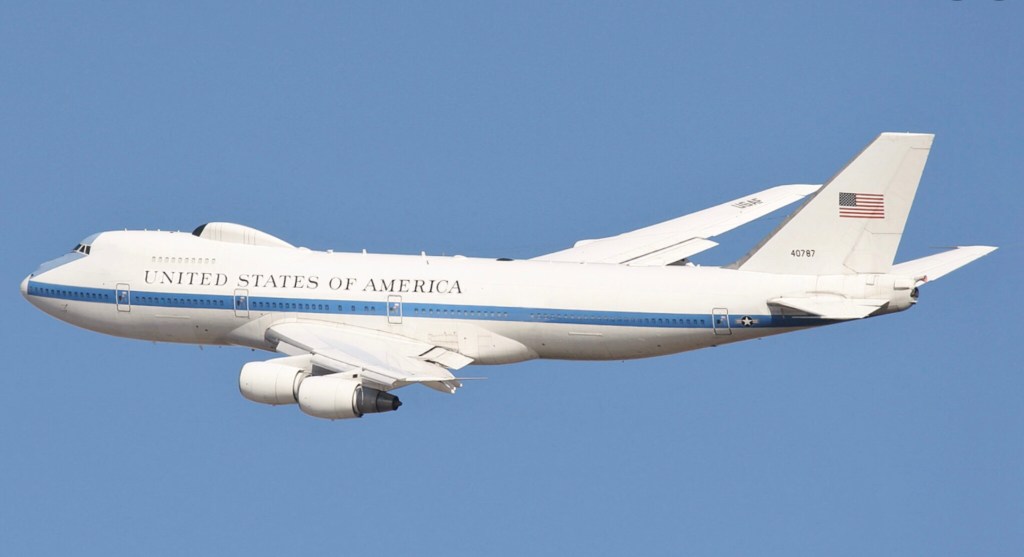
It was July 2nd, 1991 and I’d been in Omaha, Nebraska for a week. We were running communications tests on the President’s “other plane” – the National Emergency Airborne Command Post (NEACP – pronounced Kneecap). NEACP is the plane the president uses in the event of a nuclear attack. The tests went well and ended quicker than expected. As a result, I was racing to the airport to try and catch a flight home that evening, rather than my scheduled flight the next day.
NEACP – The President’s Other Plane
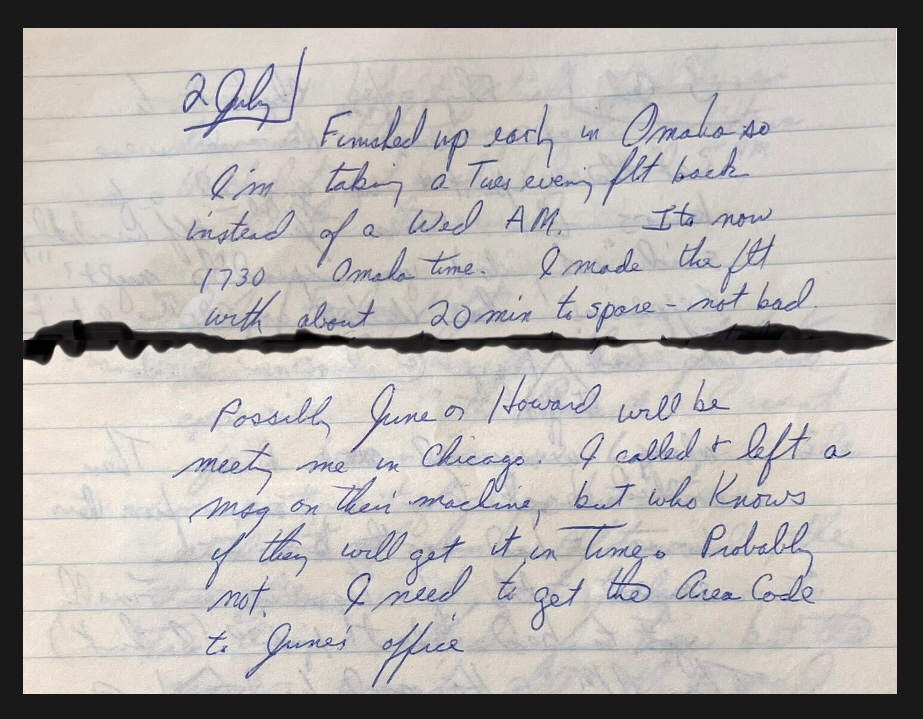
I made the airport with twenty minutes to spare and was able to get a ticket. At the time, there were no direct flights from DC to Omaha and I would need to connect through Chicago with a two hour layover. At the airport, I found a pay phone (don’t forget this was the pre-cellphone age) and called my buddies June and Howard in Chicago to see if they could meet me at the airport for a beer (remember pre 9-11 times at the airport? Anyone could walk out to the plane gates, and in fact, many people did. Usually not for a beer, but to meet loved ones when their plane arrived). Neither Howard or June were home so I left them a message on their answering machine. I figured the odds of them receiving the message AND making it to the airport on time were between slim and none. I ran to the plane and boarded.
An Entry From my Journal About the Weekend in Question*
An hour and a half later we landed in Chicago and I left the plane. I’ll be damned – both June and Howard were there at the gate to meet me! Handshakes all around and we found a bar near the gate I would fly out of two hours later.
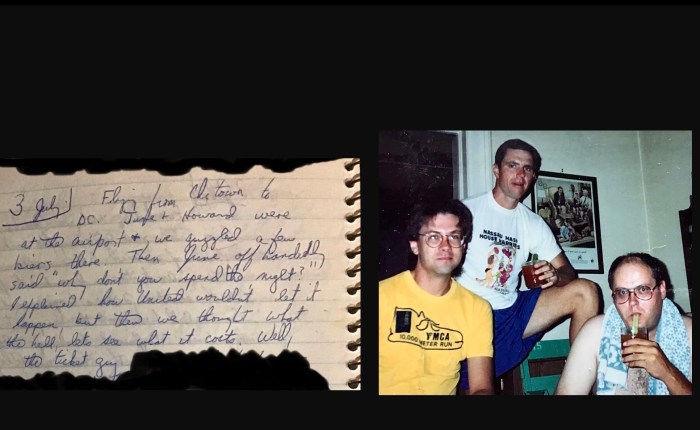
We drank a couple of beers and June offhandedly said “Why don’t you spend the night?” I told him United wouldn’t let it happen, and how I was lucky to be on this flight at all. Then we thought, what the hell, let’s give it a shot. I walked over to the ticket agent at the gate and talked with him about changing my connecting flight to the next day. We went back and forth about it, but he gave me about fifteen reasons why he couldn’t do it. I walked back to the bar, which was within site of the agent and reported to the boys that it was no dice.
The Chances of Spending the Night in Chicago Didn’t Look Good*
Howard wasn’t going to take no for an answer. He set his beer down and marched over to the agent. He proceeded to berate the agent and said something like this to him – “What kind of American are you? Here’s my friend, a soldier doing his duty protecting our country while here you are, sitting on your ass and not doing anything to help out. My friend puts his life on the line every day – don’t you think he’s worth that small gesture?” (Or words to that effect. Howard was pretty animated – as he related to me recently, he was performing on stage regularly then including at the Improv Olympic in Chicago. That gave him some of the confidence to pull off the role of “irate friend”). They talked a bit more and Howard came back to the table with a smile – It was on! The agent gave me a return ticket for the next day and we left O’Hare.
We were starving by now, and headed to a new Giordano’s Pizzaria. At the time, Giordano’s had only two or three locations in Chicago, and no where else. We ordered a couple of stuffed pizzas along with a few more beers. The night progressed. From there, it was on to another bar, and then to a bar across the street from their apartment for a final beer and a tequila (or two). We finally made it to bed around 1:30AM.
The next morning, I was moving a bit slowly. When I woke up, Howard was already gone, as he had to be at work early. June and I cleaned up and went out for a quick breakfast, before he drove me back to the airport. We arrived at 10:15, just in time to catch my 11:10 flight – it was my original flight, before I rescheduled everything the day before… ;-).
It was an unexpected night in Chicago with my oldest friends. What could possibly be better?
Howard, Me and June, Two Months Later in September of 1991. I was Back in Illinois for a Couple More Days. Bloodies were Evidently on the Menu this Particular Day.
Addendum:
⁃ * I’ve kept a journal for decades. I’ve rarely used it for any of my blogs, because I’m usually sporadic about what I write. When I was younger, it seems I wrote in it most often while traveling. The “writing” pictures you see in this blog are extracts from the journal. I’ve told this particular story several times before, but never looked in my journal to see if I recorded it. I was looking for something else, and came across these entries. My memory was pretty close to what I had written, although I didn’t specifically remember going to Giordano’s, drinking tequila that night, or the breakfast the next day. Those recollections are straight from the journal.
⁃ Thanks to June (Tim Stouffer) and Howard (Kim Johnson) for contributing to this blog. Thanks even more for being lifelong friends.
⁃ The job I had in the Army at the time was pretty interesting, and involved Nuclear Command and Control (C2) systems, among other things. A week after this trip on NEACP, I went to Norfolk for a week and was on the USS Nassau, a Tarawa Class Amphibious Assault ship. We were again testing Nuclear C2 systems.
Bob Bishop is a friend of mine and shared this story with me from his time aboard a Ballistic Missile Submarine. It’s a compelling story from the Cold War and I hope you will give it a read. The movie, “The Hunt for Red October” is a bit of child’s play, compared to what these guys did on a daily basis. My only contribution here is a bit of editing.
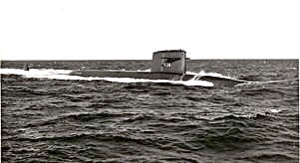
My first real duty station was the USS Nathanael Greene (SSBN-636), Blue Crew*. She had just completed her fourth patrol (two Blue, two Gold) when I reported aboard in April 1966 in Charleston, South Carolina. She was about as seasoned as I was and commissioned the same year I graduated from the Academy. We were in the middle of the Cold War, and Russia was building submarines as fast as we were. Vietnam was still just a little country somewhere over there, on the other side of the Pacific.
Bob, at Graduation from The Naval Academy in 1964
Every day on patrol on a Fleet Ballistic Missile submarine (FBM) is, in many ways, just like the day before or the day after. You have watches to stand, duties to perform, qualifications to train for and, at random times, all-hands drills (such as, “FIRE IN THE TORPEDO ROOM,” or “FLOODING IN THE MISSILE COMPARTMENT”) to wake you if you are off-watch or to interrupt the routine of your duties if you are on watch.
While on patrol, all FBMs, like the Nathanael Greene, must remain in constant radio contact to receive any and all incoming traffic all day, every day. However, a FBM only broke radio silence to send a message in a dire emergency, as sending a message would risk giving away the ship’s position to any nearby enemy ship or aircraft.
Because any change in the volume of message traffic from the sender (i.e., the Pentagon) could have some intelligence value, the radio schedule is purposefully full 24 hours a day.
The most important messages are the operational orders — to change a submarine’s patrol area and thus its missile target package. The Navy filled the remaining time with national news, sports scores and stories, all of it in coded 5-character groups. Every ship received the same radio broadcast, but you only really paid attention to messages sent for your ship. All of the news, sports scores, etc. were printed out and attached to a clipboard in the Radio Shack for anyone to read.
The Navy used the same radio system to conduct simultaneous tests of the combat readiness of all FBMs on patrol through a periodic WSRT (Weapons System Readiness Test). The WSRT begins (and the clock starts counting) with the receipt of a special message which begins, exactly as a real launch message would, with the heading “Top Secret — Cryptographic.” The text that follows, even though still in five-character groupings, is in a code that can only be deciphered through use of a special code book.
When such a message was received, the radioman immediately alerts the Captain (CO) and Executive Officer (XO) a potential Launch message has been received, and the Officer of the Deck instantly sounds “BATTLE STATIONS – MISSILE.” Every member of the crew has an assigned battle station, in addition to their regular job, and moves there at a dead run.
Meanwhile, the Communications Officer hustles to the Radio Shack, as does another officer designated at the start of the patrol by the CO to fulfill the required Two-Man rule. The Communications Officer opens the first safe, and the other officer opens the inner safe where the code book is kept. They extract the code book and break the text into English. They then rush to the Control Room to give the CO the plain-text message. Based on the message, the CO unlocks a cabinet in the overhead just forward of the #1 periscope shear, and pulls out the appropriate firing key – black if it is a drill and red if it is Launch. It’s a little cabinet, maybe 3 inches high by 14 inches wide and 8 inches deep, but within it is the key to launch 16 ICBMs towards their targets thousands of miles away.
WSRTs occurred about every eight to ten days. The time and day chosen were “random.” The experience of the “Old Salts” suggested the frequency was selected by somebody in the Pentagon seemingly based on a roll of the dice – it was never sooner than 2 days after the previous drill, and always within 12 days. It also never occurred on a Sunday morning (i.e., between Saturday midnight and Sunday noon) – to give the crew a break from the chaotic 24/7 pace of shipboard life and to allow an opportunity for anyone who wanted to worship (as a result, Jewish services were also held on Sunday mornings).
The USS Nathanael Greene (SSBN-636) at Sea
Fast forward two years…
The world had become a much more dangerous place. The summer of 1968 was a time of great turmoil, both nationally and internationally. Vietnam was raging. The USSR invaded Czechoslovakia and crushed the Prague uprising. North Korea had captured the USS Pueblo. France was in turmoil – as student protests turned into riots, workers joined them striking across the nation and Charles de Gaulle dissolved the National Assembly. At home, LBJ decided not to run, due to the Vietnam War. Rev. Martin Luther King, Jr., was assassinated in April, resulting in race riots across the country. Whole blocks of cities were ablaze. Bobby Kennedy’s assassination in June added still another dimension to the generally bleak outlook. It was a time of high unemployment in the U.S, strained race relations, unprecedented heat waves, and scattered power outages. The tone and tenor of the news we received in those coded messages was alarming.
You couldn’t help but be affected by thinking about where your loved ones were, how they were, and what was going on around them. I had married a scant 3 months before, between patrols, and Suzan was in DC. The turmoil there was frequently mentioned in the news reports, both as local news and as a setting for reporting on what the Federal government was doing to respond.
I was a Lieutenant now, in charge of the largest Division in the Engineering Department, and on my fifth patrol. I was the only junior officer qualified both to operate the ship and to run the nuclear plant (the only other officers qualified both “forward” and “aft” were the XO and the Engineer). As a result, instead of a typical watch rotation of one in three (six hours on and twelve hours off), I was standing a watch aft as Engineering Officer of Watch, in charge of the nuclear plant et al., then a watch forward as Officer of the Deck, in charge of driving the ship (so my schedule was twelve hours on and six hours off, repeated every 18 hours).
It was late on a Saturday afternoon, and we had just finished a WSRT. My Battle Station was, with Chief Blackmon, to oversee the operation of the Torpedo Fire Control System, which was on the starboard side of the Control Room. Once we launched our sixteen ICBMs, we would immediately leave the launch area and become an attack submarine, to seek out, track and sink any hostile ships. During Battle Stations, my boss, Bill Fernow, the Engineer, was aft, watching over the nuclear plant and other engineering systems.
As we stood down from Battle Stations, there was a palpable tension in the ship because of what seemed to be the deteriorating situation in the U.S. and the world. More than one of us was thinking “Someday this could be real.”
I was dog-tired, but the WSRT had occurred while I was Engineering Officer of the Watch, so after we secured from Battle Stations, I went aft to relieve my boss. He looked at me, and then at his watch, looked up and smiled and said, “I’ll take it from here. You look like you could use some sack time.”
I didn’t argue. I went forward to Officer’s Quarters, and leapt into my rack. Forty minutes later, I was woken for my next watch, the 1800 to 2400 shift.
After a quick bite in the Wardroom, I went up to the Control Room to assume the Conn.
I was relieved at 11:45 p.m. after a thankfully routine watch, sat down in the Wardroom for a quick sandwich, and was asleep within seconds of hitting my rack. Exhaustion does that to you. (When the patrol was over, I found I had logged just a bit over 5 hours of sleep per 24-hour period – for 72 days.)
At 3:42 a.m., the klaxon sounded and the cry “BATTLE STATIONS – MISSILE” came over the 1MC. The advantage of being so tired was that you wore your jumpsuit to bed so you didn’t have to waste precious seconds getting your clothes off, or on. I was at my station at the Fire Control panel in the Control Room within 20 seconds, probably the last 10 seconds of which I became cognizant of the situation we were going into.
The last WSRT was just hours ago and never – never – had there been another WSRT so close to the previous one. And it was early morning on a Sunday.
Battle Stations is always a time of pressure – to do your job as well as possible and to hope your systems performed as designed. This time, however, there was a unique quiet. Everyone knew this was the real thing.
There was no emotion, only a deathly quiet. Given my Battle Station location in the Control Room, I was standing about six feet from the XO, and the CO was about eight feet to my left, standing on the raised platform of the Conn. I could hear each of the stations reporting “Battle Stations manned and ready” to the XO’s sound-powered phone-talker. When the last of the stations had reported in, I watched the XO turn to the CO and report formally “Battle Stations are manned, Captain.”
Although everyone was tightly focused on making sure they did what they were supposed to do exactly right, part of each of our brains was recognizing the inevitability that we would never again see everything we knew and loved. Our families, our country, were surely gone. Our future was the ship, and our sole mission was to launch our missiles, seek the solace of the deep, and then seek revenge.
At that moment, the Communications Officer ran into the Control Room and handed the CO the decoded message. The CO read the message, took the lanyard from his neck, unlocked the firing key cabinet, and reached in for the firing key. We were about to launch… And then, he took out the black key, the WSRT drill key, NOT the red firing key.
Among those of us who could see what had just occurred, there was a moment of disbelief, the sure knowledge that you couldn’t believe your eyes. A double-take, and then the realization it really was a drill after all. The sense of relief was palpable, almost as if everyone, at the same time, slowly exhaled the breath they had been holding since Battle Stations had been called what seemed like hours ago, but was in reality, only a few minutes.
We knew we were at war. And then, suddenly, not. Just as there had been no sobbing or other shows of emotion when we each realized we were at war, there were also no cheers or high-fives to find that we weren’t. Instead, there was only a somber reflection that we were, to a man, trained and ready, but fortunately had not been called upon.
Bob Enjoying Life a Couple of Years Ago
Addendum:
– * Submarines have two separate identical crews, called Blue and Gold, which alternate manning the boat. While one crew is deployed, the other is in port for leave, refresher training, and preparation for their next patrol. This maximizes the amount of time the submarine itself is deployed. At the time, a typical deployment was 72 days – the complete cycle, taking over from the other crew, making needed repairs, installing new equipment, and a short sea trial to test everything out, meant nearly 100 days away from home, twice a year.
– Special thanks to my friend Bob Bishop for sharing this story. Bob graduated from the United States Naval Academy in 1964. At the time, Admiral Hyman G. Rickover, the founder of the modern nuclear Navy, personally interviewed and approved or denied every prospective officer being considered for a nuclear ship. The selection rate was not very high.
We recently attended our friend Mark’s high school graduation party. As we were talking, the first thing he said to me was “Remember the weekend we went snake hunting at your house? It was one of the early influences on my interest in snakes and Herpetology.“
I remembered the weekend well, although I was a bit surprised he did. It was in July of 2008 and he was just shy of six years old. His folks, Steve and Jessica, offered us the opportunity to have Mark stay with us for the weekend, and we readily agreed. We picked him up on a Friday morning and he stayed with us until Sunday afternoon.
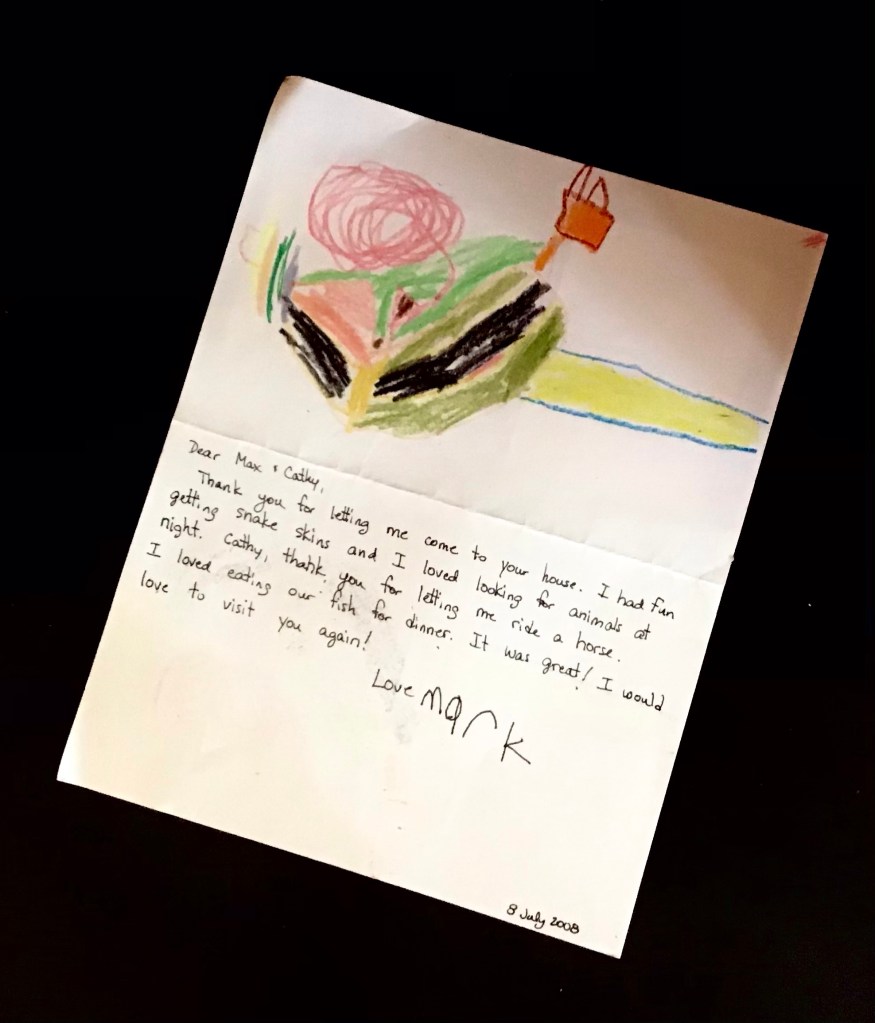
That weekend was great all around. Not having children, I’m always amazed at kid’s capacity for life and willingness to try different things. With Mark, we went fishing and cooked the fish we caught for dinner. Cathy took him on a horseback ride. He drove our tractor. We did a hike to a “haunted house” looking for ghosts. We also just goofed off and floated around in the pond. They were all wonderful summer activities.
Summertime Fun
One accidental activity was “snake hunting”. On Saturday, as we were walking from the house to the barn, we spied a snakeskin in our sawdust pile (the sawdust is used as bedding for the horses). I mentioned to Mark “Maybe the snake is still around and we should see if we can find it.” He readily agreed. In actuality, the snakeskin was dried out, so I assumed the snake was long gone and we were safe. We retrieved a couple of rakes and started raking through the sawdust. I’ll be damned if we didn’t find another snakeskin. Mark’s eye’s lit up and we resumed raking, but more slowly. Then, we hit pay dirt. No, not a snake, but snake eggs* buried in the sawdust!
Snake Skins and Snake Eggs
Holy hell, this WAS cool. We looked at the eggs awhile, took some pictures, and then covered them back up with sawdust. We continued our search, but never did find any live snakes.
We had more adventures that night and the next day, and then met up for pizza with Steve and Jess Sunday afternoon to return Mark. I think both he and we were a little sad the weekend was over.
Mark’s interest in nature and animals had started before the visit to our small farm, and continued afterwards. He watched Steve Irwin’s wildlife TV show regularly. Although Irwin had died in 2006, when stabbed in the heart by a stingray, his TV show lived on in syndication. Mark remained fascinated by animals, reptiles and snakes. Steve and Jess joined Friends Of the National Zoo (FONZ). As Jess remembers, they spent a lot of time in the reptile house. Mark also loved the books about animals and snakes at school. Later, he joined the Boy Scouts, and went on to become an Eagle Scout.
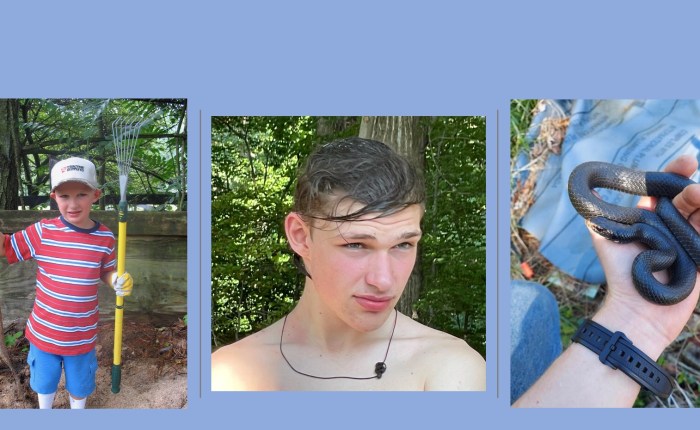
Life goes on and time accelerates. Suddenly, your five year old visitor is an eighteen year old man, graduating from High School…
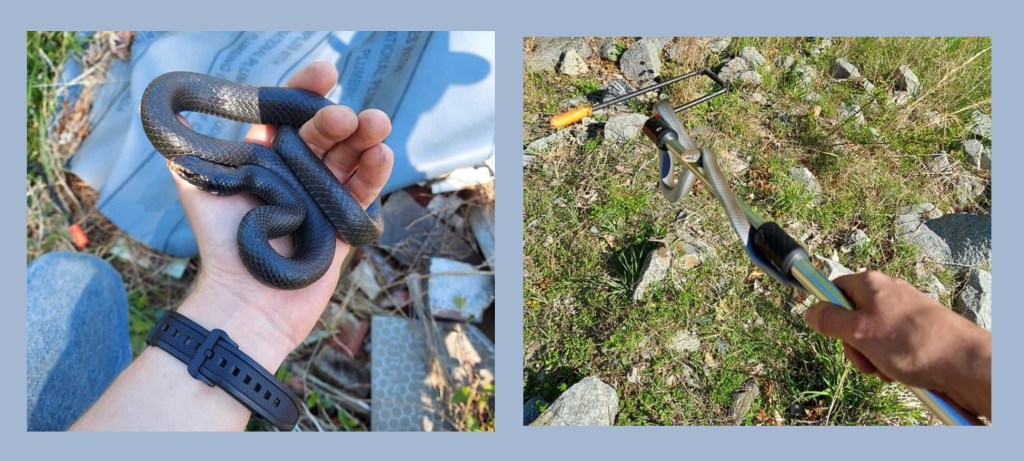
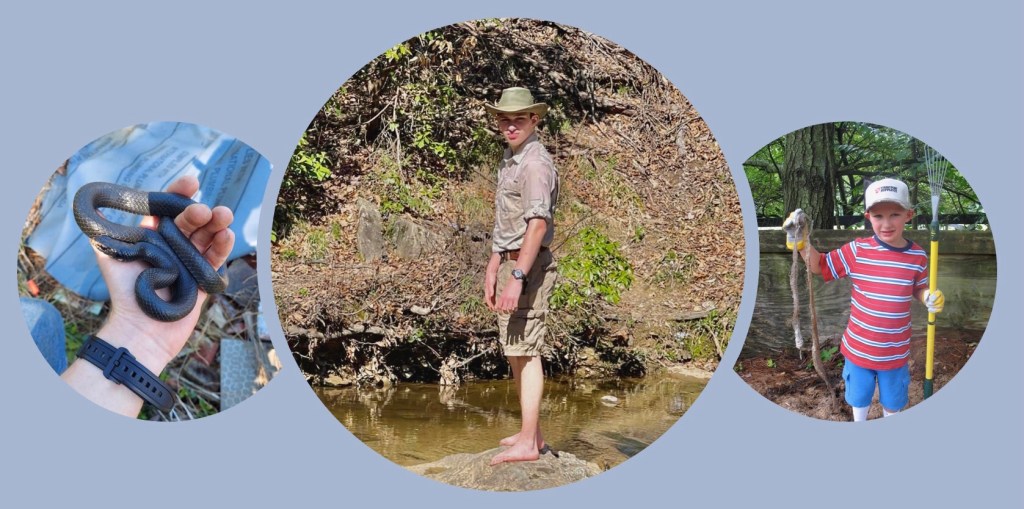
At the party last week, Mark told me “I’ve always been interested in animals and snakes, but the weekend at your farm was the first encounter with them ‘in the wild’, and not at the zoo or in a book.” He has continued to search out snakes in their natural habitat. He’s developed his own equipment for handling snakes, should he want or need a closer look.
Snake handling and handling with tools
This summer, Mark will work at a Boy Scout camp near Goshen, VA. While there, he will help with a study on the Pine Snake (of course). He also let me know that starting this fall, he will major in Wildlife Conservation at GMU, and has already been selected to attend the Smithsonian Mason School of Conservation as a part of his studies. It’s a highly selective program that takes place at the Smithsonian Museum’s Campus in nearby Front Royal, Va. He’ll also take courses in Herpetology, the study of reptiles and amphibians. Down the road? Mark would like to spend some post graduate time studying the Variable Bush Viper, or the Spiny Bush Viper, both venomous snakes in Africa.
It’s not always easy to see or understand the effects of simple actions from your life. Sometimes it takes a decade or longer for them to surface. I think this might be the case with our friend Mark. I don’t know the exact role his visit to our farm played in his interest in snakes and Herpetology, but it appears it may have contributed. The ripples of the actions in our lives never cease to amaze me. Such small events can have such large effects. Would things have turned out different for Mark if we’d never seen that snakeskin? Probably not … but I guess we’ll never know.
Cathy and I both wish Mark well in his studies, and hope he’s able to follow his dreams in the future. Maybe, just maybe, it will involve snakes.
****
Addendum:
⁃ *I’ve since learned that Copperheads and Rattlesnakes lay live snakes, not eggs. The eggs we saw were possibly blacksnake or rat snake eggs. It turns out many snakes love to lay their eggs in old wood piles, decayed wood, or SAWDUST if available.
⁃ Yes, I took a flip of the Harrison Ford/Indiana Jones’ comment “Why’d it have to be snakes!?” For the title to this blog.
⁃ Thanks to Mark Stoops and Dorothy Schwetz for the use of some of the photos in this blog.
– Thanks as always to my friend Colleen Conroy for her editing assistance. She has a great way of suggesting corrections, without making me feel like an English illiterate. 😉
Next week on the 16th of June, Cath and I will celebrate our 43d wedding anniversary. In an interesting twist, the 15th of June is the 49th anniversary of our first date in 1972. Cathy was all of 16 years old, and I was the older man at 17. To tell the whole story though, you need to go a couple months before then, when I turned her down for a Sadie Hawkins dance at our high school.
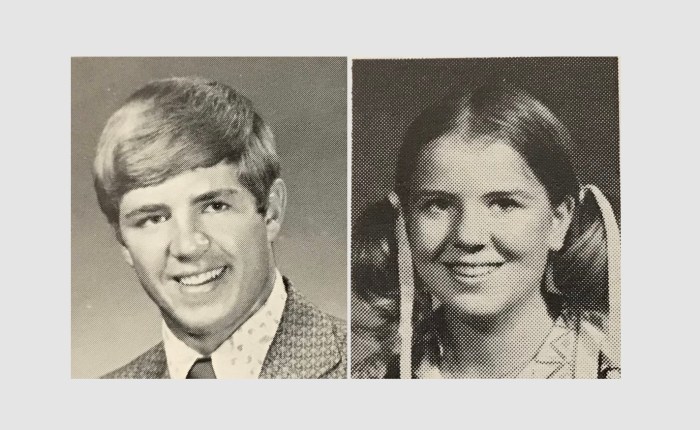
Every year in the spring, Ottawa Township High School (OTHS) held a Spring Formal which was also a Sadie Hawkins Dance. That is, the girl asks the boy to the event. (Do they still have those? Maybe it doesn’t matter anymore. For that matter, does anyone remember Li’l Abner or Dogpatch, where Sadie Hawkins Day* originated? ). In 1972, I was a junior and Cathy Snow was a sophomore. We knew each other a bit from Student Council. Well, one evening in March, I received a call at home. The young Miss Snow was on the line, and after a bit of small talk, asked me if I would go to the Spring Formal with her. Alas, I had to turn her down, as two days before, I’d been asked by a girl in my class named Gail. The call ended pretty quickly after that.
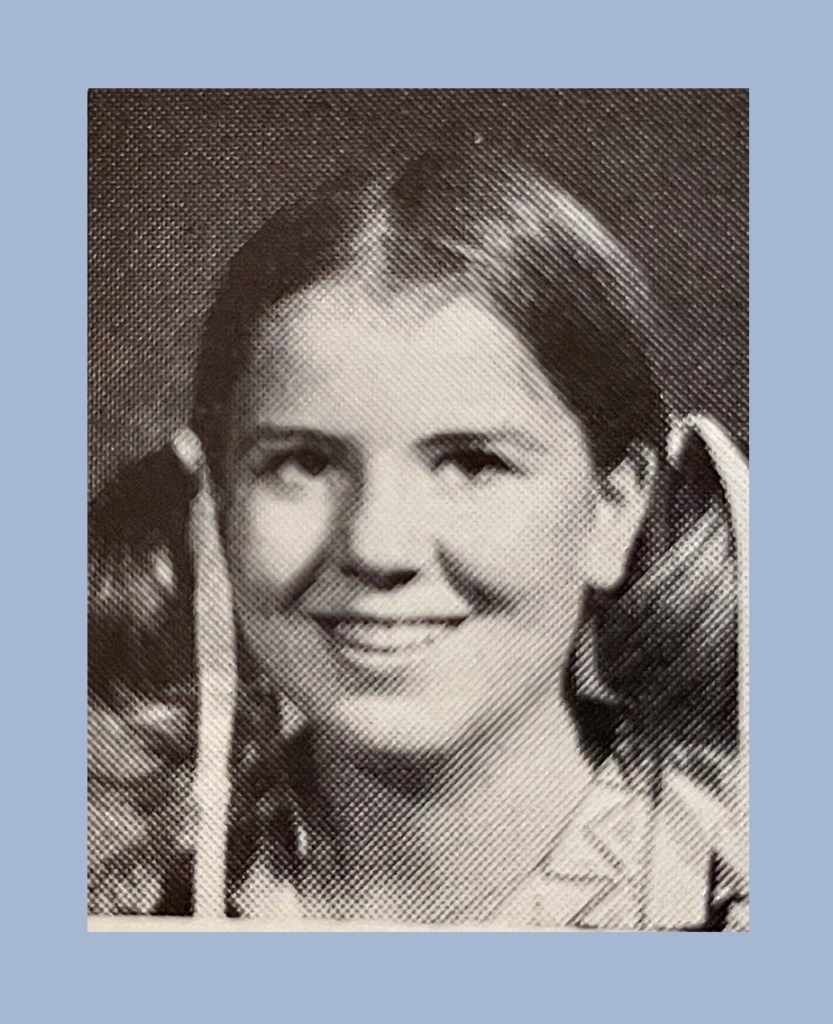
Cathy Snow at 16…
Fast forward two months. My friend Howard and I were at Pitsticks, a local swimming place with a beach, and ran into Cathy and our mutual friend, Lori Lyle. We made small talk back and forth and at some point Cathy asked if I wanted to swim out to the diving platform and off we went. Of course I had to exhibit my prowess as a swimmer and did a one and a half off the high dive. (I wasn’t going to waste the opportunity to try and impress a prospective date.) Cathy played her part and said to me “Great Dive! You looked like a knife going through soft butter when you entered the water!” My strategy appeared to be working… ;-). In later conversations, she mentioned she and Lori might be out and about riding their bikes that night. I answered back that I’d thought about going for a bike ride that night as well, and maybe I’d run into them. With that, we said our goodbyes and went back to our respective spots on the beach.
That evening after dinner, I grabbed my bike and started riding around the south side of town looking for Cathy and Lori, but didn’t see them anywhere. Eventually I stopped at a store and went inside to buy a pop. While inside, Cathy and Lori rode by, saw my bike outside the store, stopped and came inside.
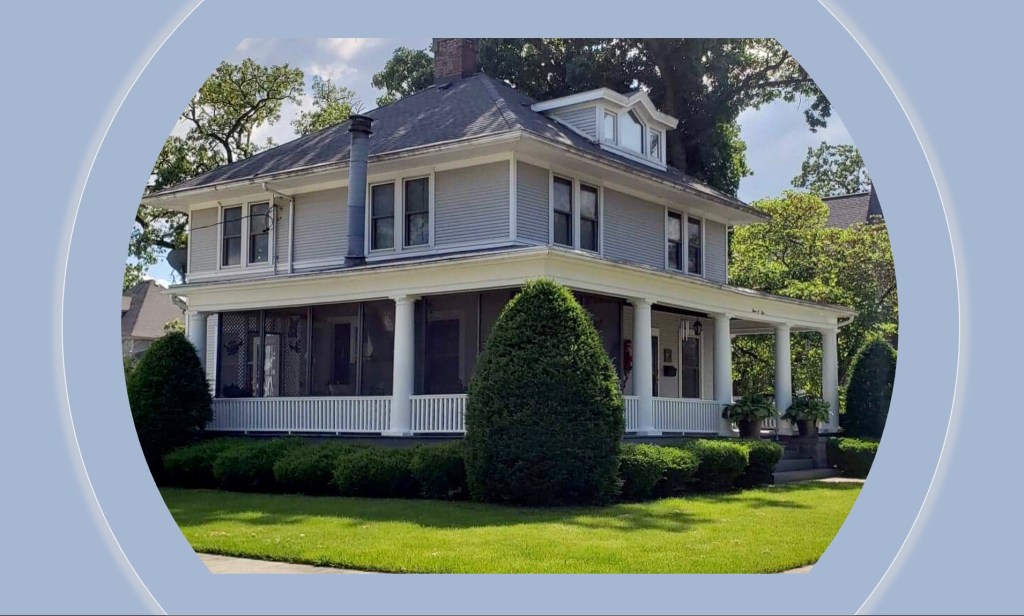
Everyone seemed pretty happy to connect. We talked a bit and then went back outside and the three of us rode around town together. Eventually, we ended up back at Cathy’s house at 305 Houston Street and had some ice tea on the back porch.
305 Houston Street. The back porch is on the left side of the house.
Unbeknownst to me, Cath and Lori weren’t sure which of the two of them I might be interested in. Cath had asked me to the dance, however, Lori and I had known each other from church for quite a while. They had a plan. After a bit of time, Lori would say she had to head home. They figured if I said I had to leave as well and rode off with Lori, I was interested in her. If I stayed there when she left, I was interested in Cathy.
Dusk arrived and Lori said she was going to ride home. I wished her a good night and stayed at Cathy’s… 😉
As it grew dark, we talked, and then talked some more. Finally, around 1030PM or so, I said I ought to go home. We walked to the steps leading off the porch, and while I was trying to work up the courage to kiss her goodnight, proceeded to talk another half hour or so. Suddenly, about 11PM, her mom, Faye, appeared at the inside door to the porch in a black nightgown and said “Ina Catherine, I think it’s time to come to bed.” Family history reports I was on my bike and riding away before she finished the sentence (in retrospect, we should have found a more private place to say our goodbyes. Her parent’s bedroom was directly above the porch.)
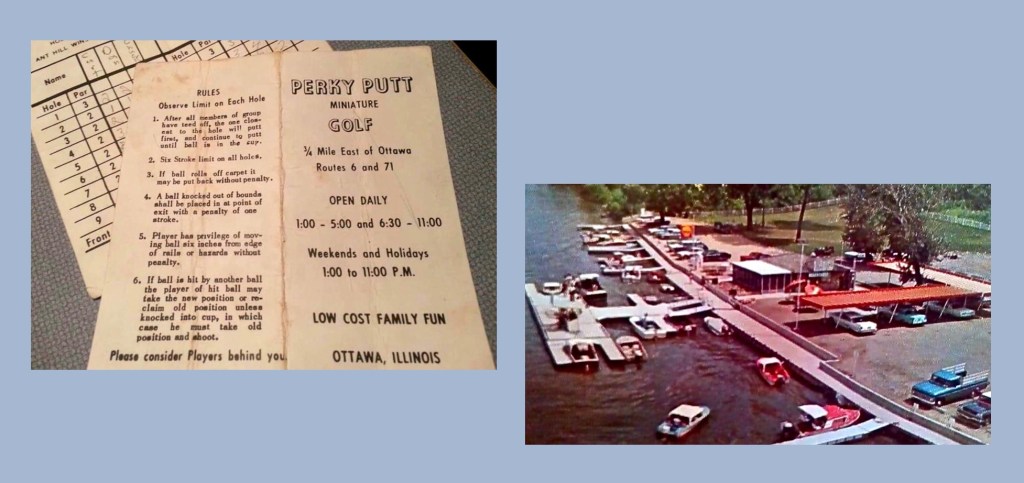
Two nights later, on June 15th, we had our first official date. I picked Cath up with my folk’s car and we went to the Perky Putt golf course (miniature golf) on the north side of town. While I have no clear recollection of the results, Cathy remembers soundly beating me. Afterwards, we went to a small drive-in restaurant on the Illinois River called the Sanicula Marina. We both ordered Black Cows and proceeded to walk along the river. I did kiss her goodnight that evening, but it was on the front porch, not the side porch under her parent’s windows…
Miniature Golf at Perky Putt and Black Cows at Sanicula Marina – it doesn’t get much more romantic… 😉
As they say, the rest is history. We dated all summer, and then into the school year. And the next spring when she asked me to the Sadie Hawkins dance again? I quickly said yes that time around.
Spring Formal (The Sadie Hawkins Dance) in 1973 – I said yes, the second time around.
We have almost five decades together as a couple now, and it’s definitely true – Time flies when you’re having fun.
Addendum:
* From Wikipedia – “Sadie Hawkins Day is an American folk event and pseudo-holiday originated by Al Capp’s classic hillbilly comic strip Li’l Abner (1934–1978). This inspired real-world Sadie Hawkins events, the premise of which is that women ask men for a date or dancing. “Sadie Hawkins Day” was introduced in the comic strip on November 15, 1937.”
Thanks to my lovely wife, Cathy for her contributions to this blog. In particular, her memories of the day at Pitsticks are more specific than mine, including the comment that my dive “looked like a knife cutting through soft butter”.
Thanks to Debi Hillyer for the photo of Sanicula and Curtis Wasilewski for the picture of the Perky Putt score card. A special thanks to Mike Peabody for the photo of Cathy’s old home at 305 Houston Street. In a strange twist of fate, Cathy babysat Mike and his sister Michelle when they were young children living across the street. Mike moved out of Illinois for years and only recently returned to Ottawa. When the home became available, he and his wife bought it.
Three years ago, Cathy and I went to Africa. It was literally the trip of a lifetime. We thought it would be our one and only visit there and we’d never return. We were wrong. We’re going back this fall to experience the magic one more time. Our friend Marty says some people get Africa in their blood and can’t get it out. I think we are two of those people.
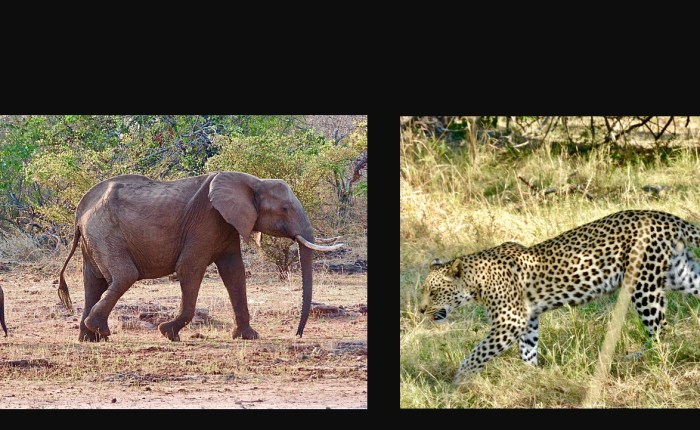
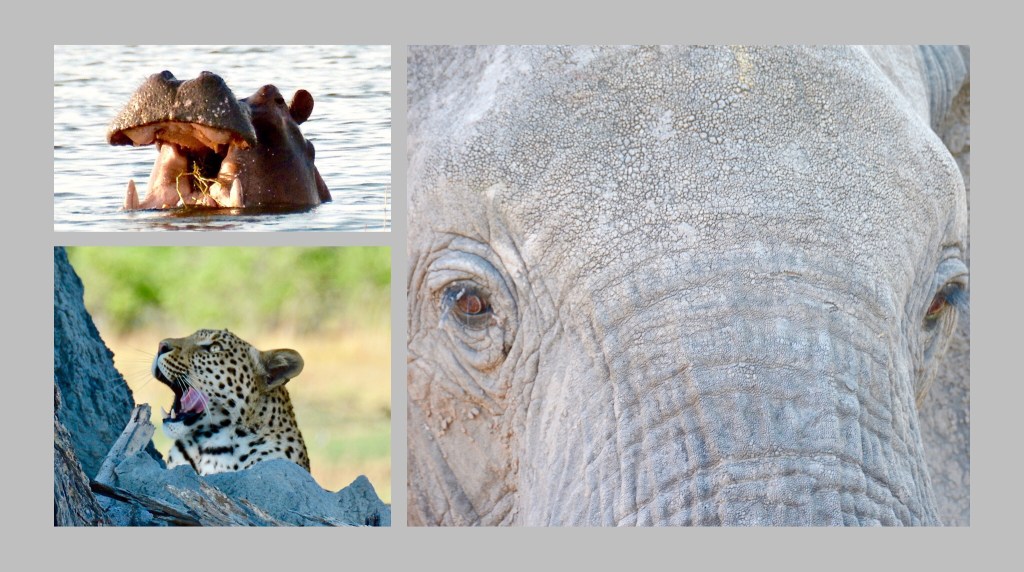
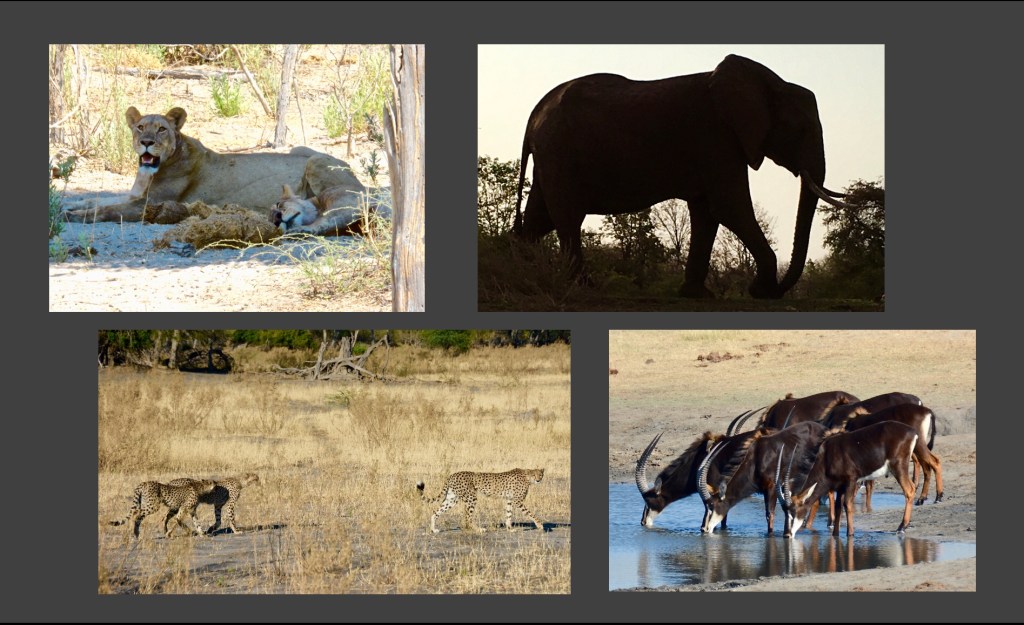
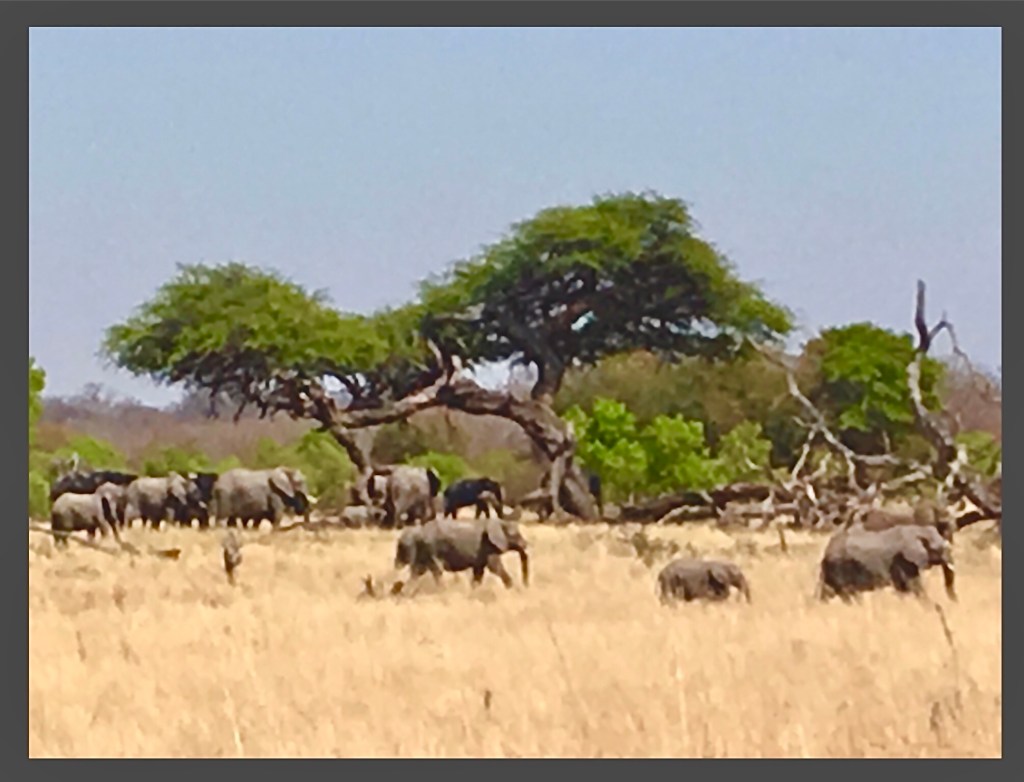
On our last trip, we spent nearly five weeks in South Africa, Zimbabwe and Botswana. This trip will be shorter, but with more time spent in safari camps, again in Zim and Botswana. The animals are drawing us back – the elephants, big cats, zebras, hippos, giraffes, wildebeests, cape buffaloes, impalas and so many others.
The Animals are Drawing us Back to Africa
Even now, I recall countless scenes and see them in my dreams …the two young lion brothers asleep in the shade of a tree … four giraffes standing with their legs askew as they drank at a watering hole … a young jackal fending off a pack of wild dogs at the site of a kill … the chase we gave in our four wheel drive vehicle to arrive at the sighting of a cheetah and her two young daughters … elephants throwing dirt on each other after emerging from a watering hole … watching a pride of female lions waken and start to stir in the late afternoon … massive herds of elephants … a small herd of sable, emerging from a tree line and taking twenty minutes to approach a watering hole with caution … hippos in a lake with only their ears and noses above the water line … zebras racing across the plain … the progression of different animals to a watering hole, each species seemingly taking it’s turn in arriving … a single giraffe in the distance during a gorgeous sunset … the astonishing sunsets, every single evening…
Magical Times in Africa – The Ever Changing Beauty of the Scenery and the Animals
Ah, the sunsets. I look forward to watching the setting sun, while drinking sundowners once more. I know the term “ sundowners” is not unique to Africa, but I think I needed to go to Africa to really understand what it meant. Picture your vehicle stopping near a watering hole. The guide makes drinks for all and passes them around. You watch the elephants, or zebras, or giraffes, or whatever animals making their way to the water. The sun slowly disappears over the horizon in the distance, turning everything shades of orange and gold you didn’t even know existed. It’s an African memory I want to bring back to life.
I want to experience the magic of Africa again. I need to see it as more than just a painting in my mind’s eye. Yes, I have Africa in my blood, and I already know this upcoming visit won’t be our last.
I Still see the Elephants in my Dreams
Addendum:
If you want to learn a bit about our time in the safari camps on our last trip to Africa, you can read more here:
** We are again using Karen Dewhurst, of Sikeleli African Safaris, as our travel consultant. For our last trip, She did all of the work to coordinate our trips to: The Hide Safari Camp and Victoria Falls in Zimbabwe, and Sable Alley and Rra Dinare Safari Camps in Botswana. All accommodations were amazing, the food and wine excellent, and the animal viewing exceeded all expectations. When we decide to return again, there was no question – we would go back to Karen to help coordinate this trip. If you are coming to this part of the world, I highly recommend her and them. You can reach Karen, and Sikeleli African Safaris at: karen@sikelelisafaris.com | (+27) 81 067 1094 (South Africa)
As a side note, Jane Goodall wrote a book titled “Africa in my Blood”. It tells her story and how she went from living in England as a young girl, to becoming one of the most renowned scientists of our time.








 Live Life Exuberantly